It looks like a grain. It cooks like a grain. But quinoa (Chenopodium quinoa ) is technically not a cereal. It is a seed. And that distinction matters if you are looking for serious nutrition without the gluten. The tiny seeds are packed with protein and fiber, making them a heavy hitter in the pantry. But the plant itself has more to offer. The young leaves are edible too, tasting and looking a lot like spinach—which is a close botanical relative.
Origin Story
This crop didn’t start in a trendy health food store in Brooklyn. It is native to the Andean region of South America. People have been growing it there for thousands of years. It was a staple long before “superfood” became a marketing buzzword. Today, you can find it grown in the United States, Canada, Italy, Sweden, and India. Most of the global supply still comes from Peru and Bolivia though. If you want the real deal, check the label.
What Makes Quinoa So Nutritious?
You might wonder, why is quinoa considered so healthy? The answer lies in its amino acid profile. It contains all nine essential amino acids, which is rare for plant-based foods. Most grains lack one or two. Quinoa doesn’t. That makes it a complete protein source.
Here is what you get in a typical serving:
- Protein : About 8 grams per cup (cooked).
- Fiber : Roughly 5 grams per cup.
- Minerals : High in magnesium, iron, and zinc.
- Antioxidants : Quercetin and kaempferol help fight inflammation.
The leaves are nutritious as well. You can sauté them like spinach or add them to salads. Don’t toss the greens if you grow your own or find them at a farmers market.
How to Cook Quinoa
Cooking quinoa is straightforward. Rinse it first. The seeds have a natural coating called saponin. It tastes bitter and can upset your stomach. Most store-bought quinoa is pre-rinsed, but a quick rinse under cold water never hurts.
- Ratio : Use 1 part quinoa to 2 parts water or broth.
- Boil : Bring to a boil, then reduce heat.
- Simmer : Cover and cook for 15 minutes.
- Rest : Let it sit for 5 minutes. Fluff with a fork.
It takes on the flavor of whatever you cook it in. Try it with vegetable broth instead of water. Add herbs at the end. It pairs well with roasted vegetables, grilled chicken, or beans.
Quinoa vs. Other Grains
How does it stack up against rice or wheat?
- Gluten-free : Yes. Safe for celiac disease or gluten sensitivity.
- Glycemic Index : Lower than white rice. Better for blood sugar control.
- Texture : Slightly crunchy. Less sticky than rice.
Some people find the texture unusual at first. It pops in your mouth. If that bothers you, mix it 50/50 with rice or couscous until you get used to it.
Where to Buy
Look for organic if you can. Non-
What Quinoa Actually Is
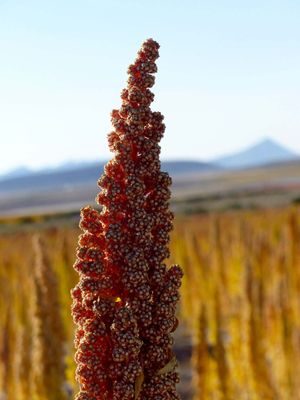
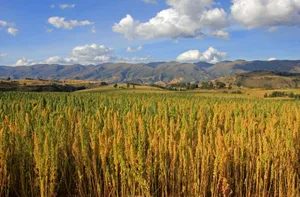
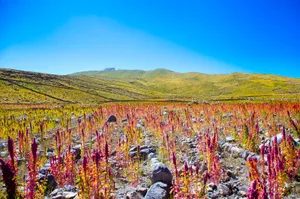
Forget the superfood marketing for a minute. Look at the plant. It’s an annual herbaceous species that doesn’t mess around. Depending on the variety, it can shoot up to 3 meters (9.8 feet) tall. That is tall for a grain. The stalk is thick and cylindrical. It stands straight or branches out, holding alternate leaves that shift from lanceolate shapes to rough triangles. The color story is dramatic too. Green gives way to yellow, red, or purple as the plant matures.
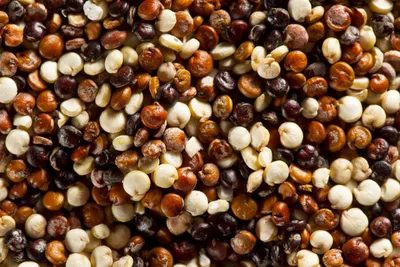
If you dig into the taxonomy, it’s a Chenopodium in the Amaranthaceae family. Simple flowers. No petals. They cluster in tight, unbranching rows. Mostly bisexual, sometimes female. They pollinate themselves mostly, though nature occasionally crosses paths. The seeds? Tiny. About 2 mm across. You’ve seen them in white, red, yellow, purple, brown, or black.
But the real story is below ground. Quinoa boasts an extensive branching taproot. It drills down up to 1.5 meters. That depth is why it survives drought. It handles frost. It tolerates salt. It grows in soil most crops would reject.
Why It Matters Now
This resilience is why researchers and food security programs are obsessed with it. It’s not just a trend. It’s a backup plan. The U.S. National Aeronautics and Space Administration (NASA) has looked at it seriously. They see potential for growing quinoa aboard spacecraft. Long-term missions need reliable, dense nutrition. Quinoa fits the bill.
The history of this plant runs deeper than the last five years of health food aisles. Before it was a salad topper, it was a staple.
The Andean Grain That Almost Disappeared
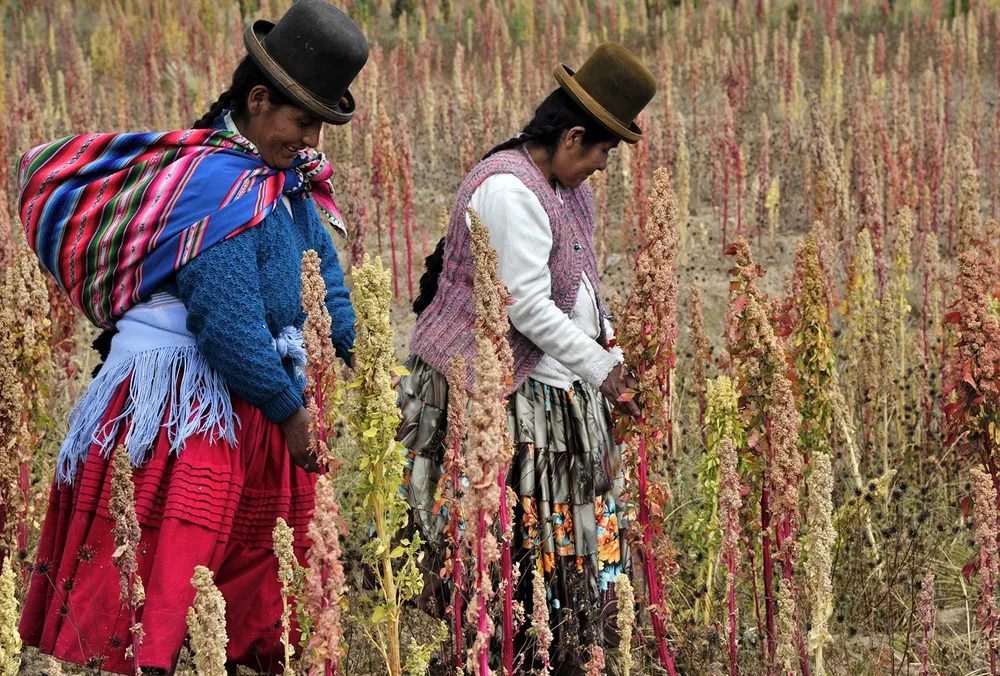
Quinoa didn’t just appear on our shelves by accident. It’s a survivor. Native to the high Andes, stretching from Colombia down to northern Argentina and southern Chile, this ancient grain was domesticated independently across its range roughly 3,000 to 5,000 years ago. Before quinoa became a trendy superfood in Western supermarkets, it was the backbone of the Inca, Aymara, and Quechua civilizations. Along with maize and potatoes, it kept them fed.
Yet, when Spanish explorers returned to Europe, they brought potatoes and corn, but left quinoa behind. Why? Historians speculate it wasn’t just an oversight. The crop held deep religious significance for Indigenous peoples, which might have deterred colonizers. Or, more practically, early tasters likely bit into seeds loaded with saponins—natural, bitter coatings that protect the plant from pests. Without rinsing, quinoa tastes like soap. Unappealing.
A Marginal Crop Reclaims Its Throne
As colonization progressed, foreign grains like wheat and barley took over. They were easier to farm and didn’t require the labor-intensive processing quinoa demanded. For centuries, quinoa production plummeted. By the late 20th century, it was viewed as a crop for the poor, grown only by subsistence farmers in Bolivia and Peru for their own survival.
Then, the world caught on. The narrative shifted from “peasant food” to “nutritional powerhouse.” This rise wasn’t just about flavor. It was about nutrition. Quinoa packs a heavy punch of protein, fiber, and essential amino acids, making it a complete plant-based protein source—a rarity in the vegetable kingdom.
Cooking With Context
So, how do you actually cook it now that it’s no longer a secret? The key lies in respecting its history. If you buy quinoa, assume it hasn’t been pre-rinsed unless the label says so. That bitter saponin layer needs to go.
Rinse thoroughly under cold water until the water runs clear. It’s a small step, but it changes everything.
Once rinsed, the cooking ratio is simple: one part quinoa to two parts water. Bring it to a boil, reduce to a simmer, cover, and let it sit for about 15 minutes. When the liquid is absorbed and you see those tiny white spirals (the germ) popping out, it’s done. Fluff it with a fork.
Why It Matters Now
The resurgence of quinoa isn’t just a culinary trend. It’s a story of resilience. For Indigenous Andean communities, this isn’t a new discovery. It’s a return to ancestral roots. However, the global demand has brought mixed blessings. Prices have soared, making it less accessible to the very people who cultivated it for millennia. Yet, for the modern home cook, it remains a versatile, nutritious staple that bridges the gap between ancient tradition and contemporary wellness.
It’s earthy. It’s nutty. It holds its shape. Whether you’re swapping it for rice in a stir-fry or using it as a base for a cold salad, quinoa brings more than just texture. It brings a history that’s been overlooked, forgotten, and now, finally, recognized.
The Versatile Grain That Powers More Than Just Your Dinner Plate
It didn’t take long for quinoa to go from obscure Andean staple to global pantry staple. After American entrepreneurs like David Cusack, Steve Gorad, and Don McKinley, alongside agricultural researcher Duane Johnson, pushed it into the spotlight in the late 1970s, the seed became the poster child for superfoods. Why? Because it breaks the mold of traditional cereals.
Most grains lack a complete protein profile. Quinoa doesn’t. It contains all nine essential amino acids, making it one of the rare plant-based sources of full-spectrum nutrition. But the protein isn’t the only draw. The seeds pack a heavy punch of fiber and oil, serving as a robust source of iron, magnesium, phosphorus, potassium, calcium, zinc, and copper. You get vitamin E and a suite of antioxidants wrapped in a slightly nutty flavor that mimics the texture of brown rice.
That versatility is what keeps it on your counter. Boil it like rice for a savory side. Grind it into flour to fortify baked goods with extra nutrients. Sweet or savory, it fits. And if you’re eating the young leaves rather than the seeds, they hold up well steamed or sautéed, bearing a striking resemblance to spinach or beet greens.
Beyond the Bowl: Industrial Uses of Quinoa Byproducts
The story doesn’t end at the dinner table. The outer layer of quinoa seeds is coated in bitter saponins. These are cardiac glycosides—organic compounds that can interfere with heart contractions—which is why you have to process most varieties before eating them. You typically remove the pericarp (the ovary wall) mechanically or by soaking the seeds in water to wash the bitterness away.
Here is where things get interesting for those curious about industrial applications of quinoa.
That bitter runoff isn’t waste. It’s a resource. The saponins extracted during processing are used to manufacture pharmaceuticals, including synthetic steroids. They also find their way into everyday items like soaps, detergents, cosmetics, and even beer production. Yes, fire extinguishers too.
So next time you rinse your quinoa, remember that the suds in your sink might share a lineage with the grain in your pot. It’s a strange, beautiful loop of agriculture and industry.