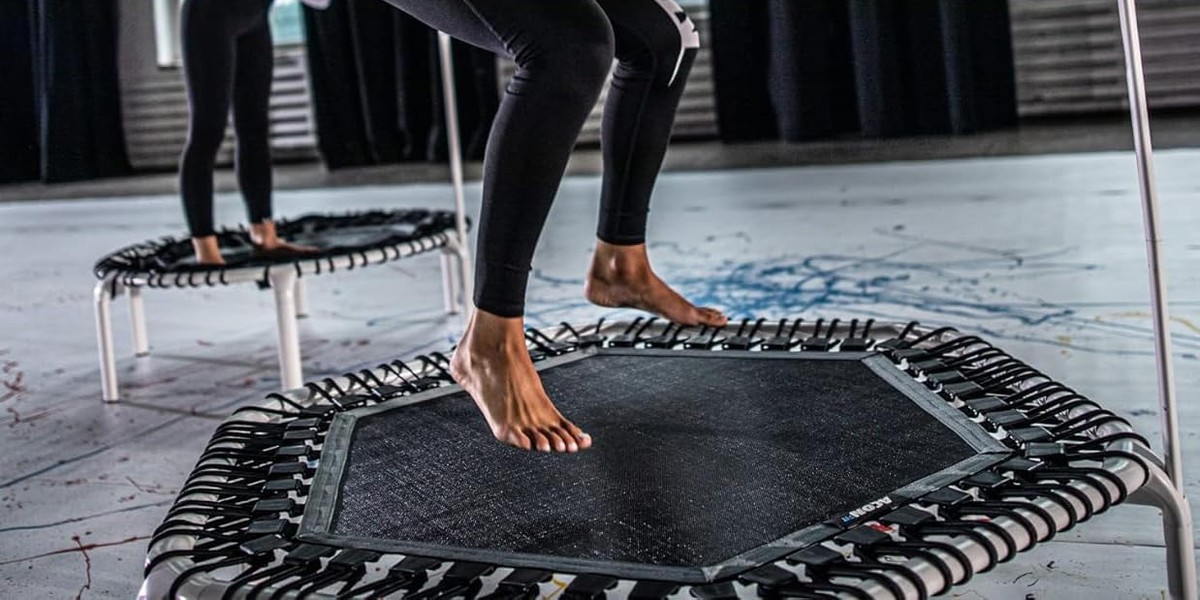
For many fitness enthusiasts—particularly those accustomed to high-impact activities like running—finding a workout that is both intense and gentle on the joints can be a challenge. Enter rebounding : the practice of using an exercise trampoline to perform high-intensity cardio.
While it may sound like a childhood pastime, rebounding is a legitimate fitness modality that offers a unique combination of cardiovascular conditioning and low-impact movement.
The Science and Benefits of Rebounding
Rebounding is often described as a “high-intensity, low-impact” workout. This means you can achieve a significant sweat and elevate your heart rate without the repetitive joint jarring associated with pavement running or HIIT sessions on hard floors.
According to fitness experts and recent research, the benefits extend beyond simple calorie burning:
- Caloric Efficiency: Depending on the duration and intensity, rebounding can burn between 300 to 600 calories per session.
- Cardiovascular Health: A 2018 study indicated that a 12-week rebounding program helped participants lower blood pressure and improve their VO2 max (a key indicator of aerobic fitness).
- Physical Longevity: Scientific reviews suggest rebounding can enhance blood circulation, bone density, and balance.
- Mental Engagement: Trainers note that the rhythmic, “fun” nature of the movement can serve as a powerful tool for maintaining workout motivation.
Key Factors to Consider Before Buying
Choosing the right trampoline is not just about size; it is about matching the equipment to your specific physiological needs and living environment. Personal trainers recommend focusing on these five pillars:
1. Tension and Resistance
Tension refers to how much resistance the trampoline provides when you jump. Smaller models often have higher tension because they sit closer to the ground to absorb shock. This makes them excellent for those recovering from injuries or those with sensitive joints who need maximum impact absorption.
2. Adjustability
Look for models that offer customization. This includes:
* Handlebars: If the model includes a bar, ensure it is height-adjustable to accommodate your stature.
* Bounce Settings: Some advanced models allow you to tweak the tension to switch between a “bouncy” feel for cardio or a more controlled feel for strength work.
3. Sturdiness and Weight Capacity
Safety is paramount. Most exercise trampolines have weight limits ranging from 250 to 450 pounds. When inspecting a model, check for:
* Stability: A handlebar that remains firm during movement.
* Floor Protection: Rubber grip covers on the legs to prevent the unit from sliding and to protect your flooring from scratches.
4. Spatial Requirements
It is a common mistake to only measure the trampoline itself. You must account for your “movement zone.”
* Lateral Space: Leave at least a foot of clearance on either side to allow for arm movements and lateral shifts.
* Vertical Space: While you don’t need a gymnasium, a minimum 8-foot ceiling height is recommended. Because rebounding involves pushing into the mat rather than leaping high into the air, you generally only need enough clearance for your feet to lift between one and eight inches off the surface.
Summary of Expert Recommendations
To find the ideal model, evaluate your specific priority:
– Best Overall: For a balance of all features.
– Best for Tight Spaces: Compact models for apartment living.
– Best Large Trampoline: For maximum surface area and stability.
– Best Foldable: For easy storage when not in use.
– Best Budget: For those seeking entry-level entry into rebounding.
Conclusion: Rebounding offers a scientifically backed way to improve cardiovascular health and bone density while minimizing joint strain. By selecting a trampoline based on tension, stability, and available room, you can integrate a highly efficient, low-impact workout into your routine.