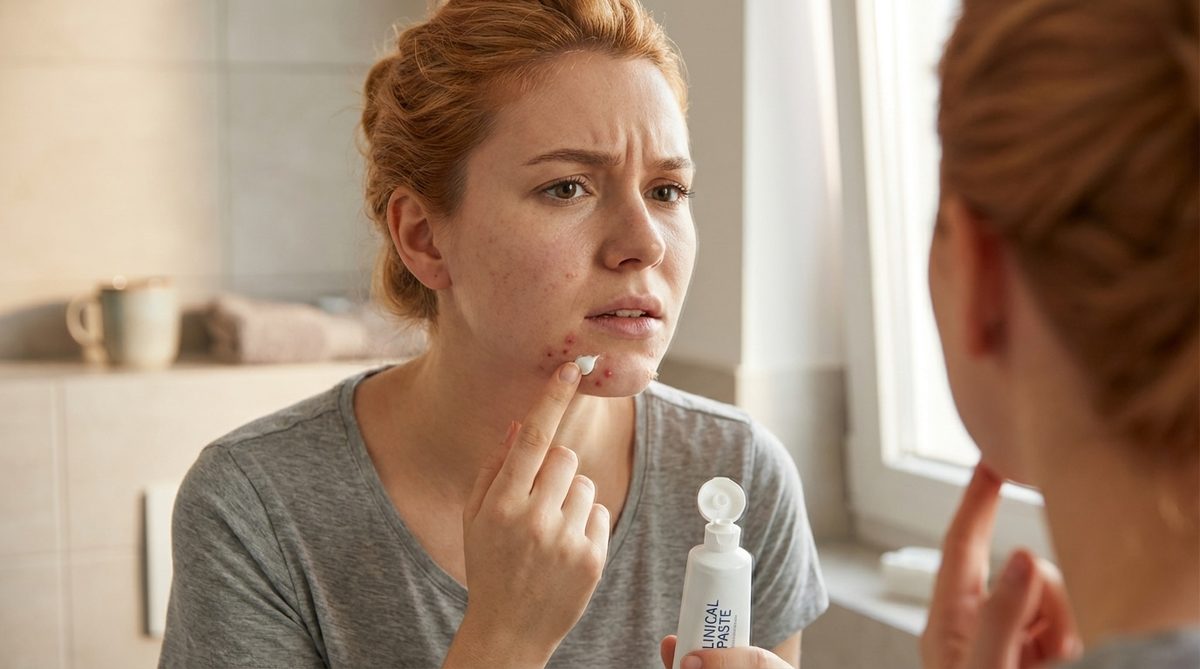
The panic sets in fast. You catch a glimpse of yourself in the mirror. One red, angry spot has decided to make itself at home right in the center of your forehead. It’s winter. Your skin is already stripped and fragile from the cold air, and this breakout feels like the final straw.
Your hand moves automatically. You reach for the tube of toothpaste on the sink. It’s an old instinct, passed down through generations of bathroom advice. Dry it out. Kill it. Make it disappear.
It feels logical. It feels cheap. It feels like a win.
But dermatologists are screaming the opposite. This “grandma’s remedy” is not saving your skin. It is setting a timer for a much worse problem. The menthol and harsh chemicals designed to scrub enamel are tearing apart your delicate facial barrier. Instead of a quick fix, you are looking at prolonged inflammation and potential dark spots that will last weeks.
The Illusion of Success
It is easy to see why this myth refuses to die. You slap a dab of paste on that pimple before bed. You wake up. The bump is flatter. It looks drier. You think, I did it.
This is an illusion.
Toothpaste contains strong drying agents like baking soda and, in some formulas, triclosan. These things suck moisture out of whatever they touch. When you apply them to a blemish, you are essentially dehydrating the surface of the skin. The pimple shrinks because it is dried out, not because it is healed.
The problem is the target. Toothpaste is chemically engineered to clean tooth enamel. Enamel is the hardest substance in the human body. It is dead, mineralized, and incredibly tough.
Your face is not made of enamel.
Your skin is living, permeable, and sensitive. Applying a cleaner designed for teeth is like using a brick to hang a picture frame. It is the wrong tool for the job.
Many toothpastes also contain hydrogen peroxide. This whitening agent is a known irritant. On teeth, it’s fine. On your face, it attacks the protective layer of your skin. You might think you are killing the bacteria causing the acne. In reality, you are creating a breach in your skin’s defense system.
Once that barrier is broken, bacteria don’t just vanish. They move in. The irritation you caused invites more inflammation. A small, manageable spot can turn into a recurring issue that stays longer and hurts more than the original breakout.
The Chemical Assault on Your Face
You need to look at the ingredients list. Really look at it.
What you are slathering on your face is a cocktail of irritants. Menthol provides that cooling “tingle.” Sodium lauryl sulfate (SLS) creates foam. These ingredients feel refreshing in your mouth. On your face, they are aggressive.
Applying toothpaste to your skin is not treating acne; it is chemically burning your skin barrier.
The “tingle” you feel? That is your skin crying for help. It is a sign of irritation.
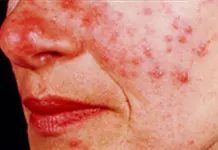
When you apply menthol to a broken or inflamed spot, you intensify the redness. You trigger a response that keeps blood flow high to the area. The result? More redness. More swelling. And when that inflammation finally goes down, it often leaves behind post-inflammatory hyperpigmentation. These are the dark marks that linger long after the pimple is gone.
SLS strips away natural oils. Your skin tries to compensate by producing more
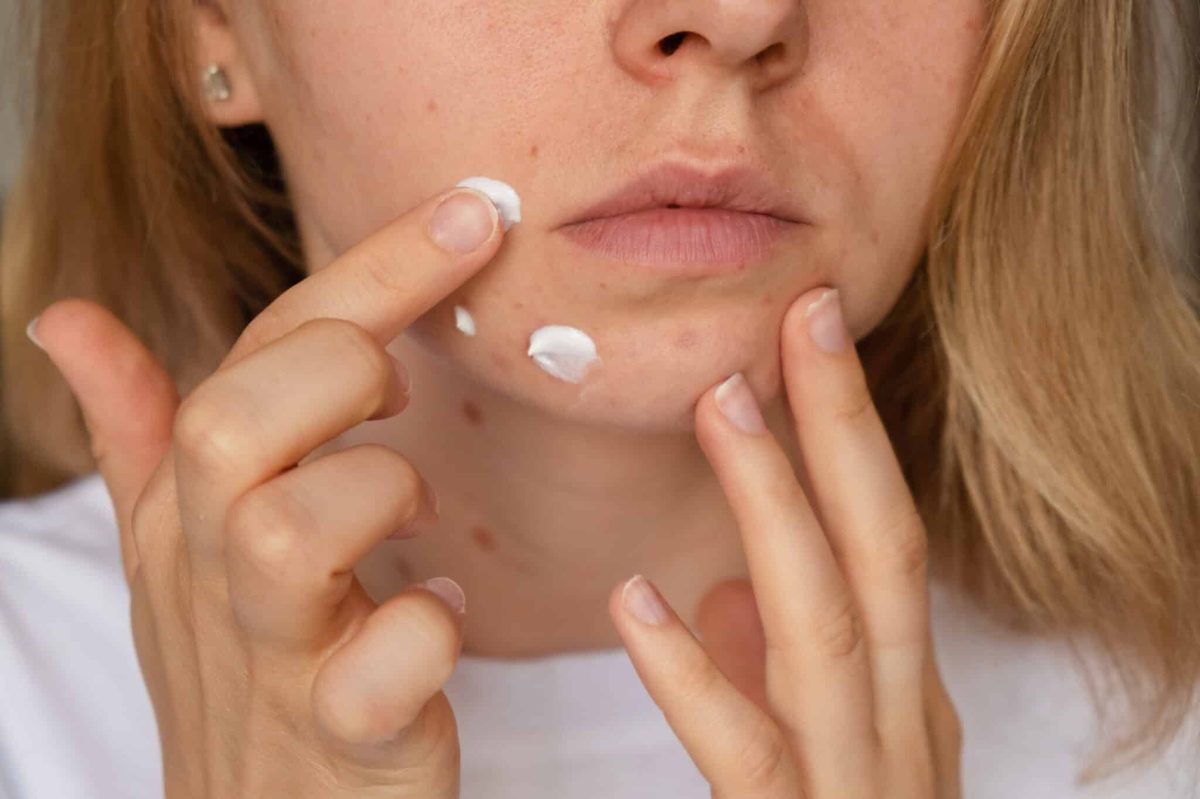
Putting toothpaste on a pimple doesn’t just dry it out. It attacks your skin. Menthol gives that tingling sensation. We mistake it for purifying power. It isn’t. It’s inflammation. Your skin is fighting a chemical assault. Worse, sodium lauryl sulfate is in almost every tube. It’s a harsh detergent. It strips the hydrolipidic film that protects your epidermis. The result? Chemical burns. Peeling. Bright red rings around the spot.
This intense inflammation raises the risk of post-inflammatory hyperpigmentation. A dark or red mark appears after the acne fades. These marks are harder to remove than the acne itself. That is a terrible price for a quick fix. It is counter-productive.
Natural antibacterial warriors that respect your skin barrier
Nature offers safer alternatives. They target bacteria without destroying healthy tissue. The gold standard is tea tree essential oil. It has exceptional sanitizing properties. Use it sparingly. Too much irritates. For a gentler option, try white clay. It absorbs excess sebum. It calms inflammation without the violence of synthetic detergents.
Here is a simple, effective DIY spot treatment. Apply it to the blemish before bed.
- Half a teaspoon of white clay powder
- A few drops of mineral water or lavender hydrolat to form a paste
- One single drop of tea tree essential oil
This mixture creates a natural bandage. It lets your skin breathe while neutralizing the bacteria causing the breakout. Clay does not burn. It works through ion exchange. It remineralizes the epidermis. It absorbs toxins. This approach is also zero-waste. Raw ingredients often come in glass or paper. They last a long time. You can use them for multiple household purposes. It respects your health and the environment.
Clear skin starts from the root: lifestyle habits for lasting results
Topical treatment is necessary. But for lasting results, look at your overall lifestyle. This is especially true in winter when your body slows down. Diet plays a pivot role in your skin’s quality. Limit refined sugars. Cut back on ultra-processed products. This reduces systemic inflammation that often triggers acne flare-ups. Increase your intake of essential fatty acids. Eat small fatty fish or use high-quality vegetable oils. This maintains hydration from the inside. Water is your best ally. Drink enough throughout the day. It helps the body eliminate toxins that would otherwise clog your pores.
Do not underestimate the healing power of sleep. Stress management matters too. Cortisol, the stress hormone, triggers excessive sebum production. Get complete, restorative nights. Your cells regenerate. Your hormones balance. Combine these lifestyle adjustments with gentle local care like clay and tea tree oil. Your skin can regain its natural glow without aggression.
Abandoning toothpaste on pimples is not just a beauty tip. It is a choice of respect for your body. By replacing harsh remedies with gentle solutions, you learn to listen to your skin. Instead of fighting it, you support it. The next time a spot appears, will you leave the toothpaste on the shelf? Try a kinder method. See what happens.