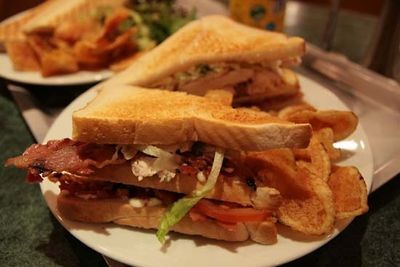
It seems simple. Two pieces of bread. There’s something in the middle. Meat, cheese and maybe pickles. However, the name itself is a rumor that spread in the 18th century. The word “sandwich” was coined by John Montagu, 4th Earl of Sandwich. It is said that he sat at the gaming table and was so obsessed with his cards that he to stop for a meal. So the servant brought meat on the toast. He could eat with one hand and gamble with the other. No crumbs on the cards. No stopping the action.
Is this true? Probably not. This story comes from a French travelogue, but its historical accuracy always raises red flags. Perhaps he ate at his table, or perhaps the habit spread to London’s upper class. His title gives the food a certain prestige. It suddenly became fashionable. This trend spread across the English Channel to continental Europe. The French accepted this word. Of course, there are their own versions, but the English term remains.
The real reason the sandwich has survived is not its aristocratic elegance. It’s practical. It’s portable. You can eat it on the train, at your desk or on the way to work. Preparation is easy. And the variety is endless. From rustic PB&J to complex club, this format has adapted to all kinds of Western cuisine. We keep making it because it works. It is compatible with today’s chaotic life and does not require much attention.
Why does the name remain?
The Earl’s name provided something that already exists. For thousands of years, people have eaten food between bread. But labeling it after a person gave it identity. It turned a practical solution into a cultural symbol. The 18th century was a time when people displayed their social status through food and fashion. A sandwich served by your servant is a status symbol. Even if you pretend to work or play, it means you have free time.
that status has faded. Or changed. Sandwiches are no longer elitist. It’s everywhere. It’s in every convenience store, every office kitchen and every picnic basket. The democratization of the sandwich is our greatest strength. It does not require a title to be valid. It does not need a fancy setting. All you need is bread and ingredients.
The evolution of staple foods
The simplicity of the sandwich allows for endless variations. In the West, it has been adopted by almost all cultures. You can find baguettes from France, bagels from New York and pita bread from the Middle East. The concept remains the same. The filling changes. This adaptability is the why it endures. It meets the consumer where they are.
Consider today’s need for quick and nutritious meals. The sandwich fits. It can be healthy or indulgent. It can be hot or cold. It can be vegetarian, vegan, or carnivorous. It doesn’t judge. It won’t complain. It just serves. This neutrality makes it a reliable option for people with busy lives. It’s a survival tool disguised as a meal.
Portability Notes
The portability of sandwiches cannot be overstated. Before packaging and disposable packaging, food was messy. Soup spills. The stew is dripping. A sandwich holds together
Global differences in sandwich culture
The rules for making sandwiches are surprisingly loose. If you see it between the buns, it probably belongs there. Be it hot or cold. The canvas is limitless.
Take the British tea sandwich for example. It is very subtle. Cut the bread into thin slices and remove the crusts. The ingredients can be subtle, such as fish paste, crispy cucumber, peppery watercress or just tomato. It’s not about filling your stomach before climbing, it’s about drinking it with tea.
Next, Scandinavia smørrebrød. This is different. Open-faced. A slice of rich brown bread carefully decorated. Sliced fish. Salted meat. Salads. Composition is more important than hunger.
The French like hollow rolls. A pocket for filling. Simple. Effective.
US contribution
America took this concept and made it heavier. A detailed formula has been created. Two slices.
The first is the club sandwich. There are usually 3 pieces of bread. Sliced chicken or turkey. bacon. lettuce. tomato. A tower of delicious ingredients.
Second, the Reuben. Corned beef. Swiss cheese. Sauerkraut. Russian dressing. Grilled on rye. The clash and combination of flavors is chaotic, but effective.
Dietary staples
Hot sandwiches rule the American food scene. The hamburger is placed between the buns. It’s everywhere. Served with french fries, it’s a complete meal. This is basic food.
What about the kids? peanut butter and jelly. No cooking required. No assembly required. This is the mainstay in schoolchild’s lunch boxes. sweet. Starchy. comfortable.
These variations show that sandwiches are more than just food. It reflects the area, customs and values of the people sitting at the table. Open-faced elegance or stacked comfort. Both work.