“Type 2 fun.”
We screamed it.
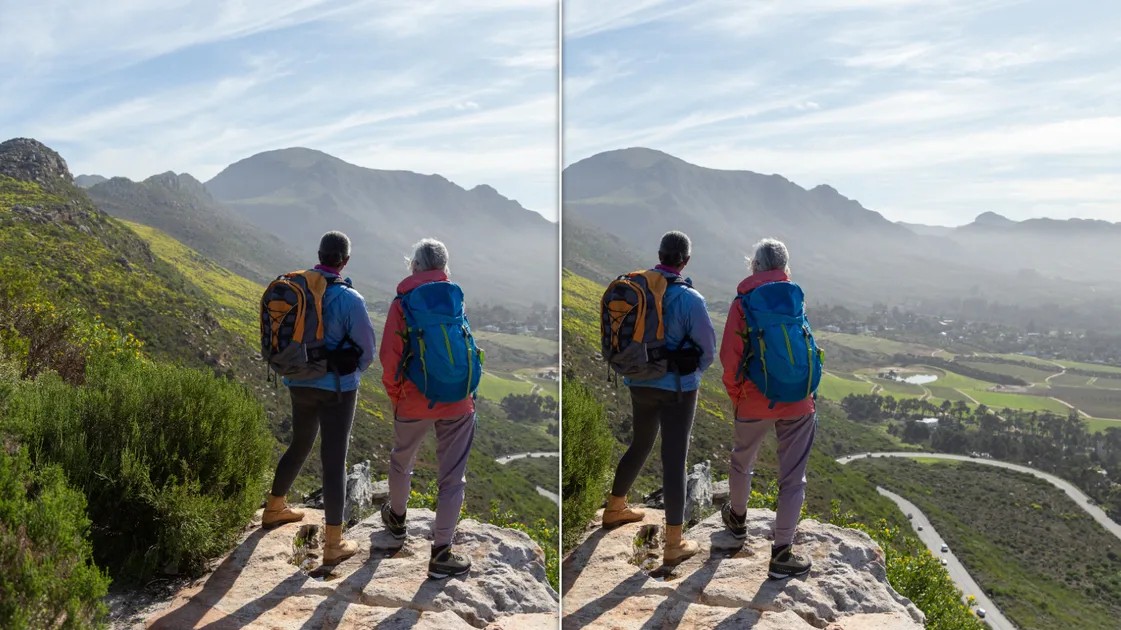
Snow was stinging our faces. Glaciers were below. We were clinging to rock in Montana with our college crew, lungs burning, legs trembling.
My friend Michele looked confused.
“Type 2 what?”
I didn’t have a great answer at first.
I had just watched a survival masterclass with Jessie Krebs. The concept stuck immediately because the mountain wasn’t easy. It was cold. It was steep. It felt miserable in the exact second we were doing it.
That is the point.
The Paradox of Fun
Think about standard fun.
Board games.
Pizza night.
Basking in the sun on a lazy Sunday.
That is Type 1 Fun.
It feels good while it happens.
Type 2 fun?
That’s the stuff you want to quit in the middle of. The marathon where your shoes blister. The language lesson that leaves you feeling stupid. The difficult puzzle that takes three weekends to finish.
“It’s something that wasn’t fun at the moment, but becomes fun later because you earned it,” Krebs explained to HuffPost.
She said roughly half the stories we tell friends over drinks are Type 2. The stories where everything went slightly wrong but you survived.
Tori-Lyn Mills from Thriveworks notes it isn’t always physical.
Learning French.
Cooking a complex meal from scratch.
Assembling IKEA furniture without swearing too much.
Rebecca Moravec of Full Bloom Counseling adds that these moments build meaning.
They feel heavy then. They feel light when you look back.
We need more of them.
Why?
Why Comfort Makes You Stale
Our brains aren’t built for happiness.
They are built for survival.
They ask constant questions: Is this safe? Is this familiar? Does it burn energy?
Type 1 fun checks all those boxes. Type 2 fun ignores them completely.
“It challenges us with novelty and uncertainty,” Moravec said.
It’s not about danger.
It’s about different.
When you push through a hard workout or a social situation that feels vulnerable, your brain gets a hit of dopamine. But not the easy kind. The earned kind.
You prove to yourself you can do hard things.
Krebs puts it in broader terms.
Society is facing chaos. Political, environmental, social.
If we learn to climb mountains—literal or metaphorical—we build the muscle to handle adversity. We tell ourselves: I’ve done this before. I can figure it out.
Confidence isn’t a vibe. It’s a receipt of past struggles overcome.
The Dullness of Ease
We are optimizing for comfort.
Look around.
Streaming services deliver movies instantly. Food arrives at the door. Clothing ships to you. You cancel plans the moment they feel inconvenient. You avoid awkward conversations like plague carriers.
Moravec calls this a shrinkage of resilience.
It feels peaceful in the moment.
But over time, life starts to feel gray.
Krebs argues that without contrast, the mundane becomes unbearable.
Sleep in a hard bed one night while camping and your regular mattress feels like heaven the next day.
Without the hard stuff, the good stuff loses its edge.
“Discomfort expands your world,” Moravec noted.
It builds emotional flexibility.
There’s a caveat.
Type 2 fun shouldn’t glorify suffering.
If it’s overwhelming, it’s trauma, not growth. It has to be manageable.
You should be able to walk out the other side.
It’s like filing taxes. Nobody enjoys doing their taxes. It is painful, boring, and stressful.
But finishing it? That’s relief. That’s Type 2.
Get Present
Anxiety lives in the future.
What if this goes wrong? What if they reject me?
Sadness often lives in the past.
Regret. Loss. Grief.
Type 2 fun drags you into the now.
You cannot think about next month when you are kayaking a rushing river or trying to pronounce a difficult word in a new language. You have to focus.
That focus grounds you.
Moravec says presence combats the future worry.
You notice the beauty of the forest. You notice the friendship with the person standing next to you in the cold. You notice yourself actually working.
It creates relief in a world that constantly feeds you horror stories.
Just for a moment. The present is okay.
Find Your Struggle
How do you start?
Stop waiting for motivation.
Look for choice and agency.
Moravec insists it must be yours.
Don’t sign up for a triathlon because TikTok told you to. You’ll just suffer without joy.
Ask yourself.
What did you love as a kid?
Maybe you loved bird watching. Maybe you liked building models.
Krebs says look for those old sparks. Joseph Campbell told us to follow our bliss, but bliss is usually hidden behind a little bit of work.
Find a community.
A run club.
A pottery class.
A hiking group.
Doing hard things with people builds trust.
The goal is the growth edge.
Not the panic zone. Not the comfort zone. The space between where it’s familiar and where it’s unsafe.
Will you remember it?
Probably.
We remember the parties, yes. But the stories we return to? The ones we tell when we are older and sadder and wiser?
Those are usually the nights it rained and got lost and still made it out alive.
“If we filter every decision by ‘will this feel good right now’… we miss the things that make us feel alive,” Moravec said.
Maybe that’s okay.
Maybe it’s worth the ache.
What did you choose to do badly this week?