We think we know our bathrooms inside out. We trust the routine. We trust the bottle. But there is a quiet disruption happening on our shelves. It starts with a single ingredient. The one that feels like nothing. Water.
It is everywhere. It is the base of almost everything we put on our skin. But beneath that simple liquid lies a complicated web of environmental costs, chemical additives, and diluted results. We are pouring our money into flasks filled with H2O. Are we buying care? Or are we buying illusion?
The question lingers. It disturbs the status quo. Our routines feel heavier. Our impact grows. And the bottle? It often contains less product than you think.
The Invisible Ingredient: Water in Your Formula
Look at your shampoo. Look at your moisturizer. Look at the label.
You will see it first. Aqua.
This is the INCI name for water. It is transparent. It is odorless. It is also the most abundant ingredient in conventional cosmetics. Estimates suggest it makes up between 60 and 90 percent of these products. It sits at the top of the list for a reason. It is the bulk.
Why Cosmetics Are Soaked in Water
It is easy to assume water is a hero. A hydrator. A nutrient.
It is not.
In most formulas, water acts as a solvent. It dissolves other ingredients. It creates texture. It allows brands to offer a light cream or a cool gel. We love that sensation. Especially in winter. We want comfort. We want the feeling of freshness.
But there is a downside.
When a product is mostly water, it is often diluted. The active ingredients—the things that actually work—are pushed back. You end up with a cocktail that looks effective but delivers little. And you pay full price for the water.
Is Water a Helper or a Fake Friend?
Water gives an immediate impression of hydration. Your skin feels plump. It looks smooth.
But that effect is fleeting.
Water evaporates quickly. It does not penetrate deep into the epidermis. The rebound effect you feel? It vanishes. So you use more. You reapply. You consume faster.
To keep that water from spoiling, brands add more stuff. Emulsifiers. Stabilizers. Preservatives. The formula becomes complex just to stay stable. Water is not neutral. It dictates the chemistry. It dilutes the efficacy. It turns a potent serum into a watery vehicle.
The Unclear Truths About Water in Your Cream
Water seems pure. It seems harmless.
Inside a sealed bottle, it is rarely alone. And it is not always safe.
Water and Preservatives: A Troubling Pair
Water equals life. Microbes love it. Bacteria love it. Mold loves it.
If you put water in a jar, it goes bad. Fast. To stop this, brands add preservatives. These chemicals keep the product safe. They also keep it on the shelf for months.
But preservatives can be harsh. They can irritate sensitive skin. They can trigger allergies. The more water in the bottle, the more preservatives you need. It is a vicious cycle. We want purity. We get chemical protection. The formula becomes heavier to compensate for the water content.
The Ecological Cost of Bathroom Water
The water in your bottle is not from your tap.
It is treated. Purified. Made ultra-pure. This process consumes energy. It consumes resources.
Globally, billions of liters of water are used annually to produce beauty products. Think about the scale. Then think about the transport.
Water is heavy. Heavy bottles require more fuel to ship. Trucks carry more weight. The carbon footprint grows. You are shipping liquid across the world for results that are often light. It is a paradox. We seek beauty. We create waste.
The Rise of Waterless Beauty: Concentrates, Solids, and Powders
The tide is turning.
Consumers are waking up. We want less waste. We want more efficiency. The bathroom is becoming minimalist. Enter waterless cosmetics.
This is not a trend. It is a shift in philosophy.
Solid Formats and Concentrates: Promises vs Reality
Ditch the tube. Embrace the solid.
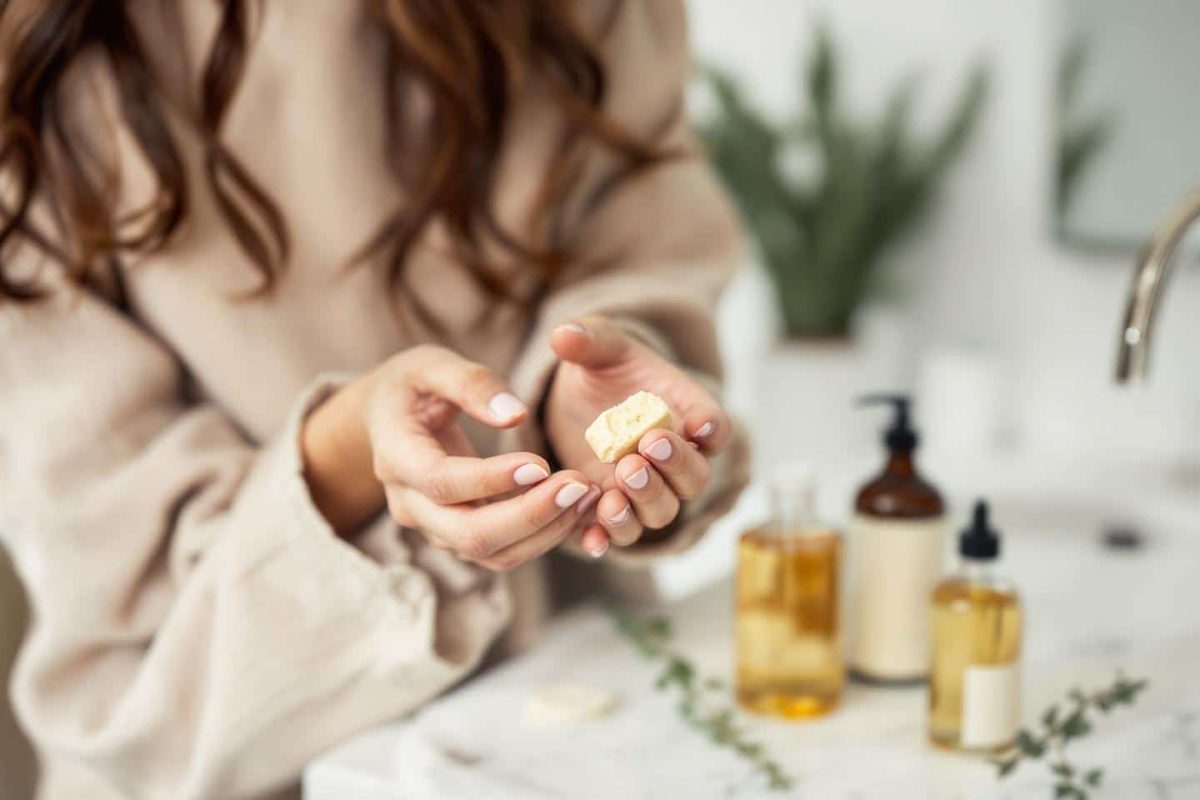
Shampoo bars are well known now. But the movement goes deeper. Facial cleansing gemstones. Superfatted soaps. Stick creams. Powdered serums.
These formats have a secret. They remove the water.
The result? High concentration. Minimalist formulas. No need for heavy preservatives. The active ingredients—hydrators, nourishers, purifiers—are undiluted. You are paying for the treatment. Not the filler.
Does it work?
Yes. In fact, it often works better. The potency is higher. The conservation is more natural. You get more product for your money. You save space. You save the planet.
Dry Products: Usage and Real-World Efficacy
Switching can feel strange at first.
Your skin is used to the slick feel of water-based creams. Solids feel different. Powders feel different. But the payoff is real.
Take facial powders. Add a little tap water. Transform into a hydrating mask in seconds. Take a shampoo bar. It can last two or three times longer than a plastic bottle. Imagine that. One bar. Three months.
Travel becomes easier. No leaking bottles. No airport confiscations. Just solid, compact, effective care.
And as winter approaches, the bathroom counter clears. The clutter disappears. We stop buying replacements every month. We choose density over dilution.
It is not about perfection. It is about awareness.
When you hold a bottle that is mostly water, ask yourself what you are really buying. Is it care? Or is it just water with a label? The choice is yours. The shelf is waiting.
The rush toward waterless cosmetics looks like a green revolution on the surface. It promises less waste, lower carbon footprints, and a return to basics. But if you look closer, the reality is messier. Not every “zero-water” claim is as pure as it sounds.
The Real Environmental Impact of Waterless Alternatives
Skipping water in your routine does reduce your hydric and energetic footprint. Concentrated formats can cut packaging by up to 80%. That is significant sobriety. It matters, especially when every small gesture counts for preserving resources.
But don’t assume the picture is rosy. Exotic ingredients, complex packaging, and accelerated industrialization raise questions. Without vigilance, the “waterless” trend could just be another marketing gimmick to boost sales. It might look eco-friendly but offer no real environmental benefit.
Marketing Hype or Genuine Revolution?
Some brands are surfing the zero-water wave with heavy greenwashing. Don’t trust the label alone. Only products using truly natural and biodegradable substances make a difference.
This trend does have merit. It can stimulate innovation and support small French businesses breaking the mold with sober products and local logistics. But you have to stay sharp. Between opportunistic marketing and sincere reduction efforts, your purchase power is the only thing that matters. Keep your eyes open.
How to Change Your Routine Without Overhauling It
Switching to waterless beauty doesn’t require tossing out your entire bathroom cabinet overnight. Simple practices can start a virtuous cycle.
Reading Labels and Avoiding Traps
Scrutinizing the ingredient list is more useful than any slogan. Avoid products where “Aqua” tops the list. Be wary of “natural” promises hiding a long list of additives.
Here is a practical tip: choose short, understandable formulas with minimalist packaging. Look for recognized certifications like Ecocert or Cosmébio. Support local artisans too—they are often more transparent about ingredient sourcing and traceability.
Concrete Steps to Transform Your Beauty Rituals
It is hard to break habits during long November nights. But it is not impossible.
- Swap liquid body wash for cold-process soap saponified in France.
- Use a solid shampoo bar instead of a plastic bottle. This is gentle on scalps irritated by winter hats.
- Try a facial cleansing powder. Mix it with water right before use. This eliminates unnecessary preservatives and lets you customize the strength.
These solutions last longer. They take up less drawer space and travel easily. Perfect for unexpected rainy weekends.
A New Horizon for Beauty or Just a Drop in the Ocean?
The gradual abandonment of water-heavy cosmetics hints at a promise. Beauty can be more concentrated, durable, and effective. It can align with your values.
Waterless skincare reduces packaging and transport of unnecessary resources. It improves preservation. It makes room for the actives that actually matter for your skin. It also helps your wallet. Investing in a solid serum or concentrated powder optimizes cost per use while lowering your ecological impact.
As autumn settles in, these alternatives offer comfort and practicality without the guilt. They bring a new wave to the winter bathroom routine.
Making Informed Choices
This shift toward waterless beauty highlights the need for critical thinking. It is not a fad. It is about reclaiming power over your routine. Surround yourself with transparent, sensible products. Meet your needs without harming the planet.
Changing habits is not a race. Every small step counts. Especially when preserving a precious resource is at stake.
Moving to waterless cosmetics is more than a passing trend. It is the start of a sustainable transition. It gives you the power to act concretely every day. Why not start this transformation in your bathroom? One drop at a time.