Let’s be honest. Shoes are an obsession. For most of us, a stunning pair of heels or a crisp white sneaker isn’t just footwear—it’s an attitude. It signals confidence before we even say a word. That spark of self-assurance when the heel hits the pavement? Real.
But there is a trap here. We often prioritize the look over the feel. And that is where things go wrong.
Shoe selection isn’t just about aesthetics. It is about your feet. Your health. If you ignore the structure, you pay for it later in pain.
So, what is the answer to the big question? How do you choose shoes that look good and keep your feet functional?
Foot Health Comes First
We need to stop treating feet like accessories. They are the foundation of your entire body. Every step you take transfers force upward—into your ankles, knees, hips, and lower back.
When you pick a shoe solely for its silhouette, you might be compromising your posture. The right pair should support your natural arch. It should have enough room for your toes to splay. It should breathe.
“A shoe that hurts the moment you put it on will not break in. It will only break you.”
This is not about being conservative. It is about longevity. You can have style and substance. But you have to look past the price tag and the brand name. Look at the sole. Look at the heel height. Look at the material.
Your feet will thank you. Your wallet might too, if you stop buying shoes that you can’t wear for more than an hour.
It’s tempting to scroll past the comfort factor when hunting for the perfect pair. Style wins every time. Until your feet ache. Then, you realize beauty isn’t just skin deep. It’s structural.
Your feet are the foundation of your entire body. Treat them like concrete pillars, not decorative accents.
The Fit Factor: Size Matters More Than You Think
Most women buy the wrong size. It’s a habit we pick up early. We squeeze in. We ignore the pinch.
Choose the right shoe size by prioritizing freedom. Your toes need room to splay. If they’re crammed together, circulation suffers. Nerves get compressed. Long term, this leads to bunions, hammertoes, and worse.
Find a size that allows natural movement. No tightness. No sliding. Just a secure, relaxed fit.
Comfort Is Non-Negotiable
Here’s a hard rule: If it hurts now, it will hurt later.
Many people believe in “breaking in” shoes. This is a myth. Prioritize immediate comfort above all else. A shoe should feel like it was made for your foot on day one. If you experience pressure points, blisters, or general discomfort while trying them on, walk away.
Ignoring this signal invites chronic issues. Plantar fasciitis doesn’t care about your outfit.
Breathability: Let Your Feet Live
Feet sweat. A lot. Up to 250,000 sweat glands per pair.
If your shoes trap that moisture, you create a breeding ground for bacteria and fungi. Select breathable materials like genuine leather or specialized performance fabrics. These allow air circulation. They let sweat evaporate. This keeps your skin barrier intact and reduces odor.
Avoid cheap synthetics that act like plastic wraps. Your feet will thank you.
Support Starts from the Ground Up
The sole of your shoe dictates your posture. Opt for supportive soles that cushion impact. Look for arch support. Look for shock absorption.
When you walk, your body absorbs force. Good shoes disperse that energy. Poor shoes transfer it straight to your knees, hips, and lower back.
Shape Matching: One Size Does Not Fit All
Not all feet are created equal. High arches. Flat feet. Wide toes. Narrow heels.
Choose shoes that match your foot shape. A flat-footed person needs rigid arch support. Someone with a high arch needs cushioning. Buying shoes based solely on width or length ignores the critical three-dimensional contour of your foot.
Know your foot type. Don’t guess.
The Heel Trap
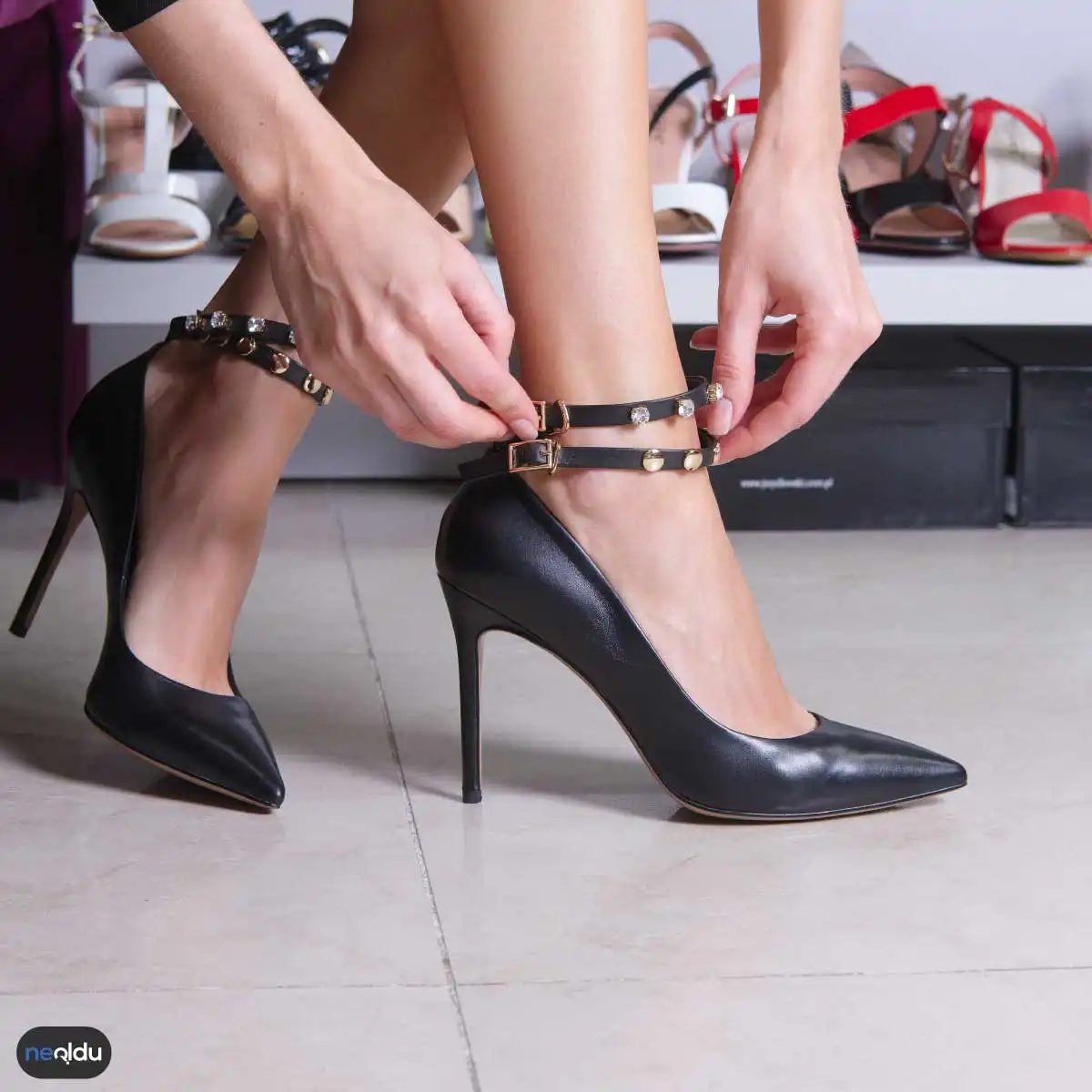
High heels look great. They alter your silhouette. But they shift your weight forward. This puts immense pressure on the ball of the foot. It shortens your Achilles tendon. It misaligns your spine.
Control heel height. If you love stilettos, limit wear. Alternate with flats or low heels. Keep the height reasonable for daily use. Your posture depends on balance.
Material Matters
Not all materials are created equal.
- Leather : Breathable, durable, molds to your foot over time.
- Suede : Soft and stylish, but less water-resistant.
- Synthetics : Often cheaper, but

Malzeme seçimi, sadece estetik kaygıdan ibaret değil. Ayak sağlığınız ve bütçeniz için en kritik karar noktası burası. Yanlış deri, yanlış süet, yanlış kanvas… Her biri farklı bir hikaye anlatır. Doğrusunu bulmak için beş ana faktörü gözden geçirin.
Nefes Alan Kumaşlar ve Ter Kontrolü
Ayağınız bir kutu gibi kapalı bir ortamda. Hava akışı yoksa, nem biriktirir. Bu da mantar enfeksiyonlarının ve o rahatsız edici koku sorunlarının doğum yeri.
Doğal deri, süet veya kanvas gibi seçenekler bu sorunu çözer. Gözenekli yapılar havanın içeri girmesine, terin buharlaşmasına izin verir. Ayaklar kuru kalır. Risk azalır.
Esneklik ve Doğal Hareket Uyumu
Katı bir kabuğa giriyorsunuz. Ayağınızın her adımda esnemesi gerekir. Sıkı malzeme sürtünme yaratır. Sürtünme ise yara yapar.
Esnek, yumuşak kumaşlar ayağın anatomik hareketini taklit eder. Bilek dönmesi, topuk kalkması… Tüm bu dinamiklerde ayakkabı direnç göstermez. Rahatlık bu dengeyle gelir. Yaralanma riski düşer.
Dayanıklılık ve Uzun Ömürlü Kullanım
Her gün farklı zeminlerde yürüyorsunuz. Asfalt, mermer, çamur. Ayakkabı bu çeşitliliğe dayanıklı olmalı.
Sağlam bir taban ve üst malzeme, ayakkabının ömrünü uzatır. Sık sık yeni çift almak zorunda kalmazsınız. Kaliteli malzeme, zamanla formunu korur. Bütçenizi korur.
Su Geçirmezlik ve Yağmur Dayanımı
Yağmurda ıslanmak sadece rahatsız edici değildir. Soğuk algısı yapar. Sağlık riski taşır.
Su geçirmez veya suya dayanıklı malzemeler, dış etkenlere karşı bir bariyerdir. Ayaklar kuru kalır. Konfor korunur. Kış ayları için bu özellik şart.
Kolay Temizlenebilir Malzemeler
Ayakkabılar zamanla kir tutar. Leke çıkar. Bakım gerektirir.
Deri veya süet gibi malzemeler, temizlik açısından genellikle daha dost canlısıdır. Silmek, ovamak, bakımını yapmak daha pratiktir. Kirin birikmesini engeller. Görünümünü korur.
Doğru Ayakkabı Numarasını Seçin
Size kalmış.
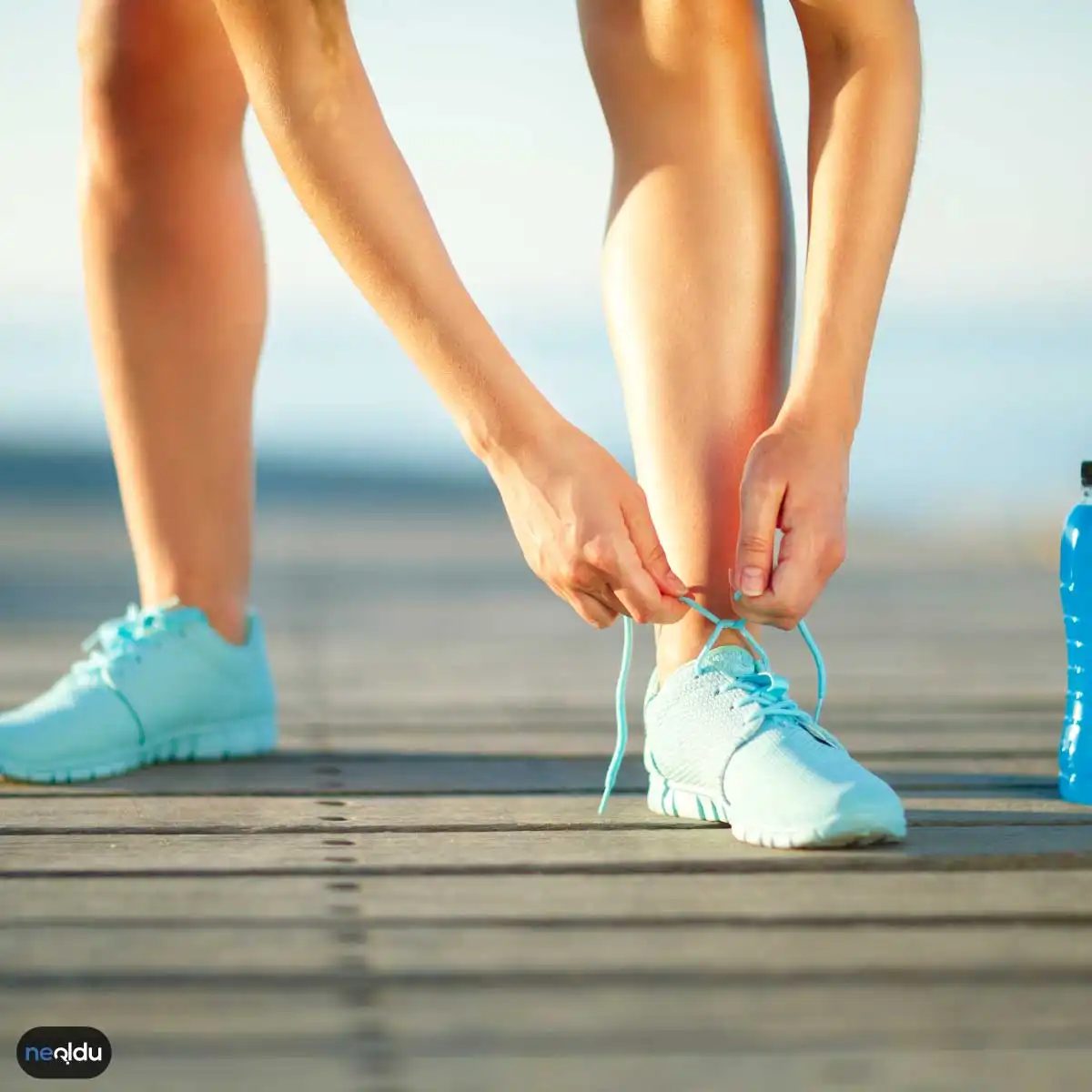
Getting the size right isn’t just about fitting into a hole in a shoe rack. It’s the foundation of foot health. Wrong size? You’re asking for blisters, bunions, or long-term structural damage. Right size? Your feet stay happy, aligned, and ready for whatever the day throws at them.
Measure Your Feet Properly
Start with data. Guessing leads to regret. Go to a professional fitting store or use a Brannock device if you’re doing it yourself. You need two numbers: length and width. Feet swell throughout the day. Measure them in the late afternoon or evening when they are at their largest. A morning measurement might fit perfectly by noon, but cause pinching by dinner.
Also, measure both feet. Most people have one foot slightly larger than the other. Base your size on the bigger foot. Ignore the smaller one.
Leave Room for Movement
Here is the golden rule: your toes need space. Specifically, about a thumb’s width (roughly 1.5 cm) between your longest toe and the front of the shoe. Why? Because your feet flatten and spread when you bear weight. If the shoe is tight against the front, it crushes the metatarsals. This restricts natural movement and can lead to neuromas or hammertoes.
Your toes should be able to wiggle freely. If they can’t, the shoe is too small. Period.
Brand Size Variability
Remember that a size 38 in one brand is not a size 38 in another. Sizing standards differ wildly between manufacturers. A US 8 in Nike might be a UK 6 in Adidas. This is why trying shoes on is non-negotiable. Even within the same brand, different models fit differently due to last shape variations.
Don’t rely on your “usual size” from a different brand. Treat each pair as a new entity.
The Walk Test
Standing still feels fine. Walking reveals the truth. Put the shoes on and walk around the store. Do several turns. Go up and down a ramp if available.
Watch for slippage. Heel slippage is common in new shoes but should stabilize. If your foot slides forward, causing your toes to jam against the front, the size is wrong or the width is too narrow. Feel for pressure points. Any pinching or rubbing is a red flag. Comfort should be immediate. If you think the shoes will “break in” and stretch, think again. Modern materials often don’t stretch significantly. Buy for comfort now.
Insole and Cushioning Matter
The interior construction is just as critical as the external size. A well-cushioned insole absorbs impact. It reduces fatigue on long walks or stands. Look for removable insoles if you plan to use custom orthotics. Check the arch support too. It should match your foot’s natural curve. Too little support leads to plantar fasciitis. Too much can cause strain.
Shoe Fit and Foot Health Connection
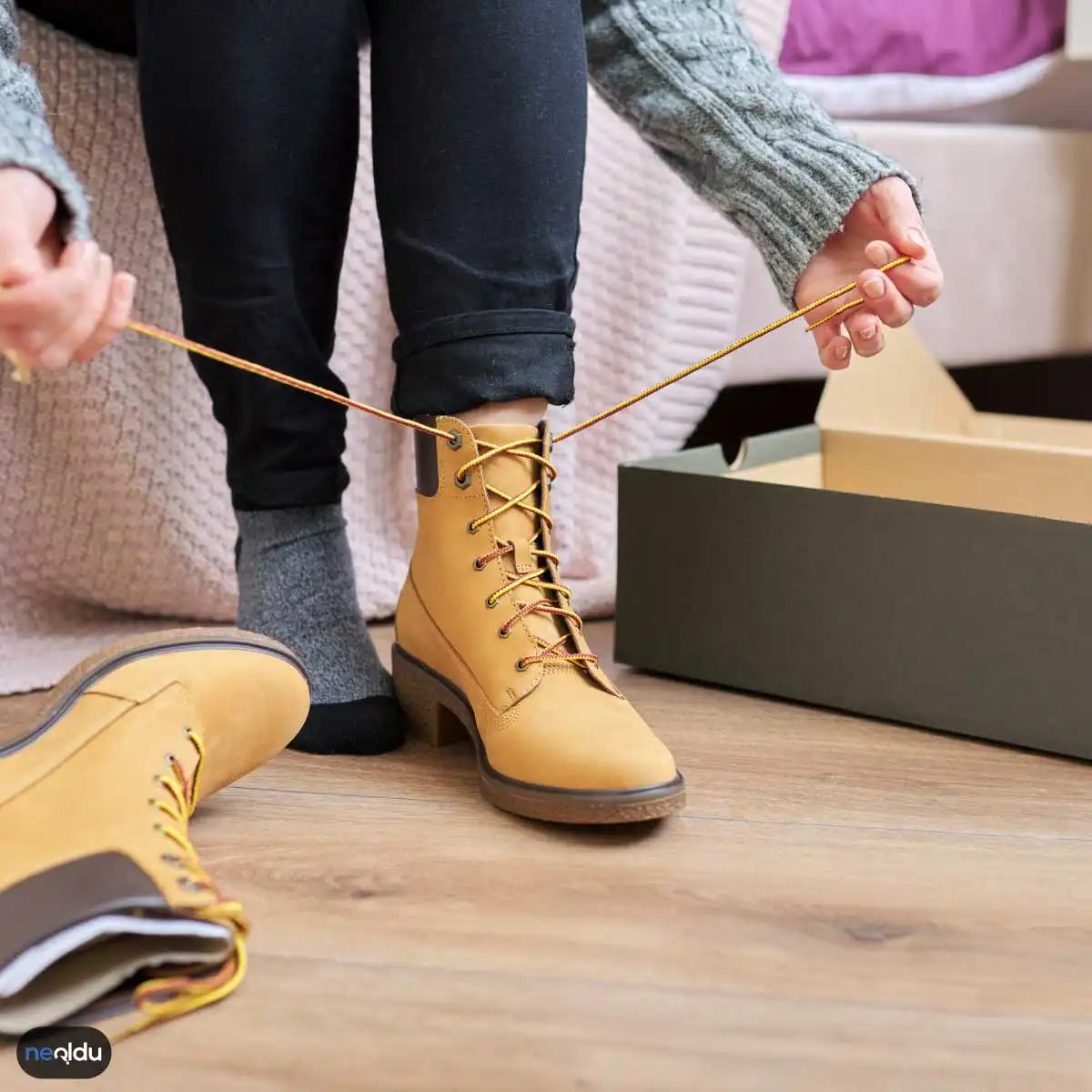
The Fit Matters More Than the Brand
You can spend hundreds on designer heels or high-end runners, but if the fit is off, you are just paying for discomfort. The right shoe doesn’t just sit on your foot; it holds it. It supports the arch, cradles the heel, and lets your toes breathe.
Getting the fit right isn’t about squeezing into the smallest size you own. It’s about finding the version that matches your foot’s actual shape. Here is how to ensure your next purchase doesn’t lead to a trip to the podiatrist.
Try Them on Standing Up
Sitting down is deceptive. Gravity pulls your feet flat and your muscles relax. Stand up. Put on both shoes. Walk around the store.
Your feet spread when you bear weight. If they don’t fit while you are standing, they won’t fit later. Check the length and width simultaneously.
Leave a Thumb’s Width at the Front
There should be space between your longest toe and the end of the shoe. A good rule of thumb—literally—is about half an inch.
Your toes need room to splay and push off. If they are jammed against the front, you risk black toenails, ingrown nails, and hammertoes.
No Pinching on the Sides
The shoe should hug your foot, not strangle it. Walk in a straight line. Watch how the shoe bends. If it resists or pulls tightly across the ball of your foot, the width is wrong.
A shoe that is too narrow causes bunions. One that is too wide causes blisters from friction. Find the middle ground.
Lock Your Heel
Your heel should not slip up and down as you walk. That slippage creates friction and instability. It also throws off your gait.
Squeeze the back of the shoe. It should feel snug around the heel bone. If your heel lifts with every step, the shoe is too big or the shape is wrong for your ankle.
Support the Arch
The insole matters. It should match the curve of your foot. If you have high arches, you need more support. If you have flat feet, you need stability.
Poor arch support leads to plantar fasciitis. It also causes knee and hip pain because your legs compensate for the lack of proper footing.
Caring for Your Shoes
Once you find the perfect pair, don’t ruin it. Proper care extends the life of your footwear and maintains its shape.
Clean Regularly
Wipe off dirt and mud after every wear. Use a soft brush for suede and a damp cloth for leather. Never throw delicate shoes in the washing machine.
Store Them Properly
Use shoe trees to maintain shape. This is especially important for leather boots and dress shoes. Stuff them with newspaper if you don’t have trees, but remove the paper before wearing.
Rotate Your Shoes
Don’t wear the same pair two days in a row. Your shoes need time to air out and dry. Moisture breaks down adhesives and leather. Rotating pairs gives them time to recover.
Condition Leather
Dry leather cracks. Apply a conditioner every few months. This keeps the material flexible and prevents premature aging.
Fix Small Issues Early
A loose sole or broken zipper can often be repaired. Don’t throw away a beloved
Stop Ruining Your Shoes: A No-Nonsense Guide to Longevity
Your favorite kicks don’t have to die after a season. Proper care isn’t just about vanity—it’s about extending the life of your gear and keeping your feet happy. I’m not talking about obscure, expensive rituals. I’m talking about simple, consistent habits that stop wear and tear before it starts.
Use the Right Cleaners for the Job
Stop scrubbing everything with the same sponge. It doesn’t matter if you have leather, suede, or canvas—each material has specific needs. If you use a harsh brush on suede, you’re basically destroying the nap. For leather, stick to dedicated cleaners and conditioners. For suede, use a specialized brush and cleaner. Matching the product to the material prevents damage and keeps the texture intact.
Let Them Breathe (and Dry Naturally)
If you get your shoes wet, or if you clean them with water, let them dry on their own. Do not put them near a radiator, a heater, or in direct sunlight. Heat warps materials. It cracks leather. It shrinks fabrics. Just set them in a cool, airy spot at room temperature. Patience here saves you from buying replacements.
Stuff Them with Shoe Trees
This is non-negotiable if you want to keep your footwear’s shape. Shoe trees aren’t just for dress shoes. Whether it’s sneakers or boots, inserting shoe trees while storing them does three things: it holds the form, absorbs moisture, and fights odors. Without them, your shoes will crease, collapse, and lose their structure over time.
Wipe Them Down Daily
You don’t need a deep clean every day. But you do need to remove surface dirt. Dust and grime act like sandpaper. If you leave it there, it grinds into the fibers or pores of the material, causing premature wear. Grab a soft brush or a dry cloth and give them a quick once-over. It takes ten seconds. It makes a huge difference in how they look months later.
How to Measure Your Feet Accurately
Getting the right fit is half the battle. Here is the practical way to measure at home:
- Place a piece of paper on a hard floor.
- Stand on it with your full weight.
- Mark the longest point of your toe.
- Mark the back of your heel.
- Measure the distance between the two marks with a ruler.
This gives you the actual length of your foot.
Finding Your Shoe Size
Once you have that measurement, don’t just guess your number. Look up the brand’s specific size chart. Sizes vary wildly between manufacturers. A 9 in one brand might be a 9.5 in another. Always check the chart and aim for the recommended size. If you’re between sizes, try them on if possible, but use the chart as your primary guide.
Best Materials for Foot Health
Your feet need to breathe. Natural materials are superior for this.
- Leather: Breathable and molds to your foot.
- Suede: Soft and airy.
- Natural Fabrics: Allow air circulation.
Avoid cheap synthetics whenever you can. They trap heat and moisture, leading to irritation and discomfort. Natural fibers reduce sweating and keep your skin healthy.
What to Look for When Buying Shoes
Comfort isn’t just about padding. It’s about structure. When you pick up a pair, check for:
- Proper Support: Does it arch correctly?
- Fit: Is there enough width? Is the length right?
- Stability: Does the sole grip well?
- Comfort: Does the insole feel supportive, or flat?
Don’t ignore the small details. Your feet carry you everywhere. Treat them right, and your shoes will last longer. It’s that simple. Or is it?