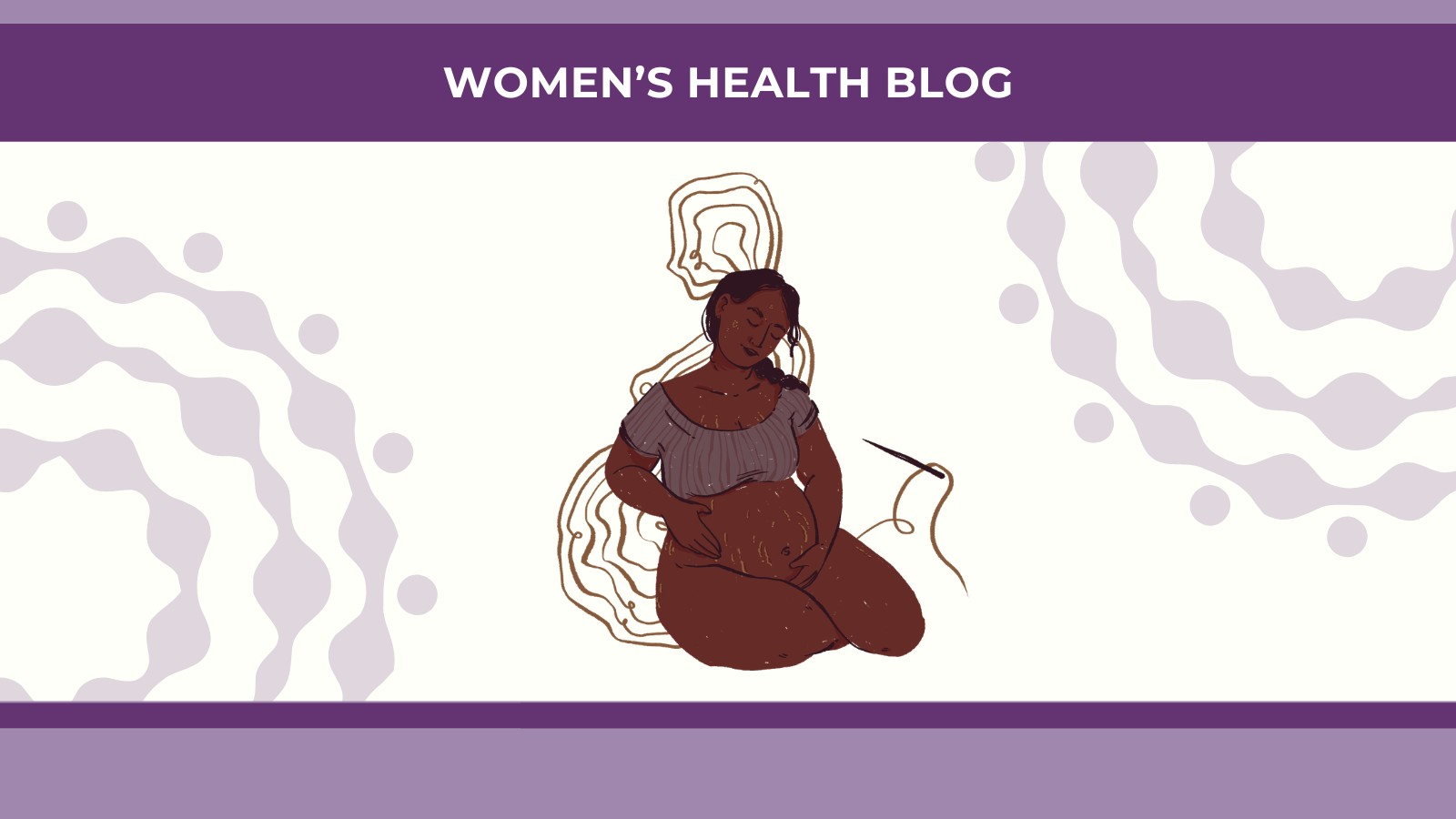
Note: This piece touches on sexual violence, enslavement, and graphic medical history. Reader discretion advised.
They didn’t believe she felt it.
That is the cornerstone. Not just a myth, but the foundation. Back when white doctors built the field of obstetrics on the broken backs of Black enslaved women, pain was not considered a shared human experience. It was racialized. Dr. James Marion Sims gets credit today as a pioneer. He should get the blame. He performed surgeries on enslaved Black women without anesthesia. None. Zero. Because he was certain they didn’t feel “physical pain” like civilized white women did.
Hypersexualized. Hyper-durable. Human cadavers in living flesh.
These women were viewed as medical superbodies. Living test tubes for white physicians eager to dissect knowledge and extract cures for their own kind. Pregnant or not, these women endured brutal labor tasks. The economy of slavery required bodies. Lots of them. Rape was the tool used to produce free labor for masters. Some of those masters were doctors like Sims himself.
Sims treated conditions like vesicovaginal fistulas—openings between the bladder and vagina that cause urine to spill into the reproductive track, inducing agony—without consent or numbing agents. Why treat it then? So the women could return to serving their masters. He profited. He built a career on their suffering. And in the process, he facilitated the creation of the modern medical speculum.
Still used today. Still hurting.
The Ghost in the Clinic
It lingers.
Emerging research across the U.S. and Canada proves the data doesn’t lie. Black women and infants face higher complication rates. Higher mortality. But the stats are just the shadow of a deeper, uglier problem. The myth of the “strong” Black body persists.
There is a term for it now, though it lacks a better word than “obstetric racism.” Providers often dismiss Black pain because of socially constructed ideas about tolerance. They think Black women have an innate higher pain threshold. They think we can deliver without help. It is racist logic rooted in the colonial justification of sexual violence. If you are bred for endurance, they say, you don’t need medicine.
Have we ever truly shaken the belief that our pain is optional to treat?
No. Because the training systems still carry the DNA of those early assumptions. Doctors are unconsciously dismissing us. Not always on purpose. Sometimes ignorance wears a white coat too.
My Research. Your Reality
I talked to 25 Black women in Canada for my master’s thesis. One-on-one interviews. Deeply personal stories. The result was a single, sharp truth.
They feel unheard.
Regardless of socioeconomic status, job title, or education level about the healthcare system, the experience remains the same. Black Canadian mothers are getting inadequate pain medication during birth and the postpartum period. The class of the woman matters less than the color of her skin when it comes to receiving painkillers.
The past is not dead. It’s just been digitized into charts and stats.
The CDC reports that Black women are three times morelikely to die from pregnancy-related causes than white women in the United States.
That isn’t a biological imperative. That is a structural failure. It is the direct lineage of treating enslaved bodies as disposable experiments. In Canada, we see similar micro and macro levels of dismissal in patient-provider interactions.
So where does that leave us?
We need equity. That’s a buzzword until you are bleeding on a hospital floor. It requires medical systems to work together—not just providers, but institutions, to create spaces where judgment doesn’t kill you. Where maternal health interventions are actually adequate.
We have awareness. We have the history laid bare.
But data doesn’t stop the needle from being delayed. Knowing the origin of the wound doesn’t necessarily close it. The system remembers. It remembers that our pain was once considered less relevant than white comfort. Until that changes, the room feels cold. And the silence from the medical staff is loud.
Maybe we keep talking. Maybe it works.
Or maybe the silence remains.