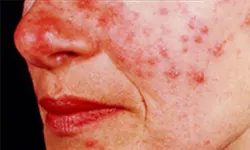
Facial skin irritation is the worst. They don’t just look bad. You feel terrible. Redness. Swelling. A burning itch that makes you want to scratch until it bleeds. Sometimes these attacks go away on their own. They often require a visit to the doctor. But before you reach for the prescription pad, you need to find out what caused the trigger.
What causes dermatitis? It is a broad term for skin inflammation. It can be caused by touching something like the nickel on your watch. It can be caused by eating something like a dressing with hidden allergens. If you have sensitive skin, the mere thought of a trigger can set you off. Sometimes the reason is physical damage. Harsh chemicals destroy the outer layers of your skin. Sometimes it’s an immune response. Your body attacks the allergen as if it were a threat. Often both happen at the same time.
If you know the source, you can remove the enemy. Banish it from your counter. Clear it from your cupboards. Keep it out of your garden. Next time your face is inflamed, look back at the last 24 hours. Where were you? What did you do? Here are five common reasons for these unsightly rashes.
5. Heat
You might think the heat just makes you sweat. However, for some, it triggers a certain type of rash. Heat rash or miliaria occurs when the sweat ducts are blocked. Sweat gets stuck under the skin. Bumpy red spots appear. It occurs most often in hot, humid weather. Or if you’re overdressed. The face is the primary target, as it is often covered by hats or masks.
Is it heat or something else? If the rash appears only after exertion or high temperatures, heat is a likely suspect. Cool. Keep the area dry. If it doesn’t fade, look elsewhere.

3. Medication
It’s a particular frustration when you take a pill that’s supposed to cure you when you wake up with hives. This is a drug eruption, a skin reaction that indicates your body is rejecting the drug. Although almost any prescription or over-the-counter drug can cause an allergic reaction, certain groups are commonly affected. Penicillin and other antibiotics are at the top of the list. Sulfonamides, barbiturates, insulin, anticonvulsants, and antihyperthyroid drugs are also frequently reported in clinical reports.
If you notice a mild rash soon after starting a new treatment, contact your doctor. You may be switched to another drug class or your dose may be changed. In the meantime, over-the-counter antihistamines can relieve swelling and persistent itching. Don’t ignore the signal.
There are warning signs that require immediate emergency care. If the rash is accompanied by breathing difficulties, call 911. Likewise, a blistering rash that spreads throughout the body and affects the mucous membranes—the inside of the mouth, nose, or eyes—is a medical emergency. These symptoms may indicate a life-threatening reaction such as Stevens-Johnson syndrome. Don’t wait to see if it gets better. Get help now.
2. Plants
We often think of poison ivy, oak, or sumac as the culprits, but many common garden plants and wild greens can trigger contact dermatitis. The culprit is usually urushiol, an oil found in plants of the Toxicodendron genus. It’s sticky. It’s persistent. And it latches onto skin, clothing, and even fur, causing the familiar itchy, blistering rash hours or even days after exposure.
The rash does not spread from the blisters themselves; it’s a myth. It spreads because the oil is still on your skin or clothes. If you suspect you have touched a toxic plant, wash the area immediately with cold water and mild soap. Alcohol or specialized washes to break down urushiol can be helpful. Avoid hot water as it can open the pores and allow the oil to penetrate deeper into the skin.
In mild cases, calamine lotion, oatmeal baths, and hydrocortisone cream can relieve irritation. However, if the rash covers a large area, occurs on the face or genitals, or shows signs of infection such as pus or increased heat, seek medical attention. You may need prescription-strength steroids to stop the immune response. And remember: if you’ve been outside, your dog or cat may be carrying oil in their fur. Wash your pets too, or you’ll just keep re-exposing yourself.

Why Your Face Is Reacting to the Outdoors
Strolling through the woods should feel like a reset button. Instead, it often feels like a chemical burn. Redness. Itching. Blisters. When poison ivy, oak, or sumac decides to say hello, your face becomes the most vulnerable battlefield.
We know the names. We think we know the look. But urushiol—the oily resin that triggers contact dermatitis—is sneaky. It sticks to clothes, shoes, gear, and even your dog. One wrong brush against a leaf, and the allergic reaction begins. It doesn’t matter if you’ve hiked for years; sensitivity varies. For many, it’s an instant flare-up.
If you’re dealing with a full-blown reaction, you’re going to itch. Badly. Over-the-counter hydrocortisone helps. Calamine lotion soothes. Oatmeal baths cool the skin. Antihistamines take the edge off. If it’s severe and won’t quit, a doctor might prescribe oral steroids like prednisone or antibiotics to prevent secondary infection.
Scratching doesn’t spread the rash. The oil is already absorbed. But scratching does break skin. Broken skin invites bacteria. Bacteria on the face mean scars. And you really don’t want permanent marks from a weekend hike.
The Makeup Trap
Look closer at your bathroom counter. The culprit might not be a leaf.
Cosmetics are a surprisingly common cause of facial dermatitis. Foundations. Bronzers. Cleansers. Masks. Up to 25 percent of people report unwanted skin reactions to these products. It’s not just “bad luck.” It’s chemistry.
Your skin changes. A product that played nice for ten years can suddenly turn hostile. If you have sensitive skin, stop guessing and start reading labels.
Avoid these in cleansers:
* Sodium lauryl sulfate. It’s a harsh emulsifier that strips natural oils.
* Triclosan. A drying antibacterial agent that leaves skin raw.
Watch out for in moisturizers and creams:
* Artificial dyes.
* Fragrances.
* Parabens.
All three are known allergens. They trigger inflammation. They make redness worse.
Be careful with actives:
Alpha hydroxy acids (AHAs) and retinoids exfoliate. That’s good. Until you overdo it. Sloughing off too much skin barrier invites irritation. Dial it back.
Steer clear of these in makeup:
Ultramarine blue. Mica. Bismuth oxychloride. Talc. These are common irritants. They sit on the skin and cause contact dermatitis.
How to Test Before You Trust
You suspect a new foundation is the problem. What do you do?
Wash it off. Immediately. Use a gentle, fragrance-free cleanser. Pat dry. Do not rub.
Next, patch test. Apply a small amount to the inside of your elbow. Not your face. Your elbow is less visible if it blows up.
Wait 48 hours. Watch for redness. Swelling. Itching. Burning. If nothing happens, it’s probably safe for your face. If it reacts, toss it. Or at least keep it far away from your facial skin.
Your face is the first thing people see. Protecting it isn’t vanity. It’s practical. Whether it’s hiding from a poison oak branch or hiding from a parabens-laced serum, awareness is your best defense.