
Diet culture is everywhere. If you scroll through social media or flip through a magazine, you’re bombarded with the latest “miracle” solution. Atkins. Cabbage Soup. South Beach. Zone. Grapefruit. It feels like there is a new name for the same old cycle every week. We are conditioned to believe that if we just find the right diet, the right name, the right rule, the weight will vanish.
But here is the uncomfortable truth: your body is not working against you. It is working exactly as designed. In fact, it is suspiciously good at its job.
Your Body Is an Efficiency Machine
Have you ever noticed how gaining weight seems to happen overnight, especially after you hit 30? It’s not just willpower failing. It’s biology. The human body is an incredibly efficient engine. It hoards energy. It conserves motion.
Let’s look at the numbers, because they are stark.
At rest—sitting on the couch, scrolling, breathing—your body burns approximately 12 calories per pound of body weight per day. Let’s do the math for a 150-pound person.
150 x 12 = 1,800 calories per day
That’s it. 1,800 calories keeps your heart beating. It keeps your lungs expanding. It powers your brain. It keeps your core temperature stable. It is the baseline cost of being alive. And that 1,800 number is a rough estimate. The actual figure varies, but the principle remains: survival is cheap.
Now, consider movement. We often think exercise burns a massive amount of energy. It does, but not as much as we’re led to believe. A person running a marathon (26.2 miles) burns roughly 2,600 calories total. That breaks down to about 100 calories per mile.
Compare that to a car. A typical U.S. vehicle gets between 15 and 30 miles per gallon. One gallon of gas contains about 31,000 calories. If humans could drink gasoline, a person could run 26 miles on just one-twelfth of a gallon. That’s over 300 miles per gallon. On a bicycle? We’re talking over 1,000 miles per gallon.
We are more fuel-efficient than your sedan. And that efficiency is exactly why weight loss feels like an uphill battle. Your body fights to keep those calories stored. It wants you to survive.
The Calorie In Problem
Understanding this efficiency is the first step. Most weight gain isn’t about moving enough. It’s about taking in more than your highly optimized system needs to run. When you combine a low basal metabolic rate with modern food abundance, the math tips against you quickly.
But before we get to the “how” of fixing it, we have to accept the “what.” Your body is a furnace, yes. But it’s a very small, very efficient furnace. And if you feed it too much, it doesn’t burn it off. It stores it.
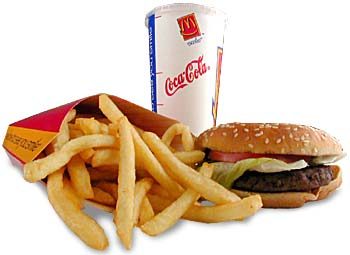
Resting metabolism burns roughly 1,800 calories a day if you do absolutely nothing but breathe and sit. That number feels abstract until you realize how quickly it evaporates. A single visit to McDonald’s can wipe out the bulk of your daily allowance before dinner even happens.
Order the Big Xtra meal and the math gets sobering. The sandwich alone clocks in at 710 calories. The large fries add another 540. That large Coke? 310. You are looking at 1,560 calories from just one sitting. That is nearly 87% of your total daily energy requirement for doing nothing else all day.
Add an M&M McFlurry for dessert and the situation changes entirely. You are now at 2,190 calories. You have already exceeded your entire day’s limit with one meal. No wonder weight management feels so confusing when convenience food is this calorically dense.
Pizza offers a similar trap. Head to Pizza Hut and order the Meat Lover’s Pan Pizza. Each slice holds 360 calories. Eat three slices—hardly an excessive amount for many people—and you are at 1,080. Add a large drink and the total jumps to 1,390. You are now just 410 calories away from hitting 1,800.
These numbers are not hypothetical. They are based on official nutrition guides from these chains. The point is not to shame yourself for eating out. The point is to see the invisible weight of what you consume. If you treat these meals as snacks, your body will struggle to manage the surplus.
How do you navigate this? You have to track what you put in. Not obsessively. But honestly. One meal does not ruin your health. But making these choices daily creates a surplus that is hard to burn off.
“Just this one meal provides 1,560 calories you need during a day.”
The takeaway is simple. Fast food is designed to be satisfying and cheap. It is also designed to be calorie-dense. When you eat it, you are eating a significant portion of your entire daily energy budget in one go.
So, where does that leave you? If you crave that burger, maybe skip the fries. If you want the pizza, cut the portion in half. You do not have to give up flavor. You just have to respect the math.
It is easy to ignore the numbers until they show up on the scale. Or in how you feel. Heavy. Tired. Stuck.
Maybe that is why you start looking for shortcuts. Detox teas. Miracle pills. Things that promise to burn off the McFlurry without changing anything.
They do not work.
The solution is usually simpler and harder at the same time. Awareness. Small adjustments. Knowing that one slice is 360 calories and choosing to eat two instead of three. It is not about perfection. It is about balance.
But balance is hard when the food around you is engineered to override your senses.
You keep going. One meal at a time.

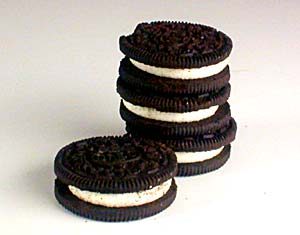
It is terrifyingly easy to eat yourself into a surplus. Eat twelve SnackWell’s Crème Sandwich Cookies. You won’t even feel stuffed. Yet, you have just consumed 660 calories. That is more than a third of what a typical adult needs in an entire day.
I’m not here to judge you. I have two kids. I go to McDonald’s at least once a week. No shame in that. The point is simpler and darker: in America, and most developed nations, calories are everywhere. They are cheap. They are convenient. They are waiting for you.
The Typical American Day
We are overworked. We are over-booked. We are exhausted. So convenience wins.
Look at a standard day for many people:
* Breakfast: Two Pop-Tarts.
* Lunch: Pizza Hut.
* Afternoon Snack: SnackWell’s and a cola.
* Dinner: McDonald’s.
* Night: Potato chips while watching TV.
That menu adds up quickly. 3,000 calories. 4,000. Maybe 5,000. It happens without you even thinking about it.
Your body is a survival machine. It is designed to store energy for a “rainy day” that never comes. Any calorie you don’t use right now gets converted to fat. The math is brutal in its simplicity.
3,500 excess calories equals 1 pound of new body fat.
If you eat just 500 extra calories a day—a single ice cream cone or a handful of cookies—you gain one pound of fat every week. 500 x 7 days = 3,500. It is effortless. Food is too easy to find.
The Math of Weight Loss
Let’s say you want to lose that weight. To drop one pound of fat, you need a deficit of 3,500 calories. You have to consume less than your body burns over time.
Assume you weigh 150 pounds. Your basal metabolic rate (calories burned at rest) is roughly 1,800 per day (150 * 12). Here is how you create that deficit:
- Lie in bed and starve. You burn 1,800. You eat 0. Deficit: 1,800 daily. You lose a pound every two days. (Practically impossible. You would quit immediately.)
- Eat less. You consume 1,500 calories instead of 1,800. Deficit: 300 daily. You lose a pound every 12 days. (Hard, but doable.)
- Move more. You eat 1,800 calories but jog 2 miles daily, burning 200 extra. Deficit: 200 daily. You lose a pound every 18 days.
- The extreme. You eat 2,500 calories but run 10 miles a day. You burn 2,800 total. Deficit: 300. One pound lost every 12 days.
The mechanism is the same. You consume fewer calories per day than your body needs. Whether through restriction, exercise, or a painful mix of both, the math holds true. For every 3,500 calories your body pulls from its reserves, you lose one pound.
Most diets—Weight Watchers, grapefruit plans, keto, paleo—share one goal. They try to lower your daily calorie intake. That is all they are doing.
Why Diets Fail
Diets usually fail because they are not sustainable.
You gain weight because you eat more than you burn. A diet creates a temporary deficit. When the diet ends, you go back to your normal eating habits. The weight comes back.
Let’s look at a realistic scenario.
You weigh 150 pounds. You burn 1,800 calories at rest. Life adds another 200 calories for walking, carrying groceries, and existing. Your total daily need is 2,000 calories.
If you average 2,050 calories a day, you are in surplus. Just 50 calories.
That surplus stacks up. 3,500 calories (one pound) / 50 calories per day = 70 days. You gain one pound every two months. Over a year? Five pounds.
This is the pattern for a huge chunk of the U.S. population. We don’t overeat by feasting daily. We overeat by 50 calories.
Keep that number in your head. 50 calories.
One Oreo. A few bites of cheese. A splash of cream in coffee. It adds up. Over-consuming is incredibly easy. And because it is so small, you don’t notice it until the scale moves.
Why do we ignore it? Because the surplus feels invisible. Until it isn’t.
It sounds ridiculous, but that is exactly how most crash diets operate. You commit to the “Get Slim Miracle Diet.” Your entire grocery list shrinks to two things: two cups of brown rice and a can of Vienna sausages. You add onions until your eyes water. That’s it.
You are eating roughly 1,000 calories a day. To burn fat, you also jog two miles daily. The math is brutal but simple. You are creating a deficit of 1,200 calories every single day. Since it takes about 3,500 calories to burn one pound of body fat, you drop a pound every three days. Do this for two months, and you will see 20 pounds vanish from the scale.
It feels like magic. Until day 61.
What happens when you stop? First, you likely binge. Two months of rice and canned meat leaves your body craving anything with flavor. You eat more than usual to compensate for the deprivation. Then, you slowly drift back to your pre-diet eating habits. The weight returns. All of it. And usually more.
This is the fundamental flaw in most diet culture. You lose weight, but because the method is unsustainable, you gain it back. The solution isn’t a new miracle food. It is a sustainable diet. A plan that lets you live a normal life. That includes eating normal foods. That means balance, not starvation.
How to build a sustainable eating plan
Building a diet that sticks requires shifting your mindset from restriction to inclusion. Most people fail because they view food as an enemy to be managed rather than fuel to be enjoyed. A sustainable approach focuses on long-term habits rather than short-term punishment.
Start by assessing your current routine. What do you eat now? What works? What doesn’t? You don’t need to overhaul everything overnight. Small, incremental changes are more likely to stick than a radical overhaul. For example, if you currently drink soda with every meal, try swapping one can for water or sparkling water with a splash of fruit juice. It is a small shift, but it adds up over time.
Incorporate variety into your meals. Instead of relying on a single protein source like Vienna sausages, rotate through different options. Chicken, fish, beans, lentils, tofu. Variety keeps your palate interested and ensures you get a wider range of nutrients. Brown rice is fine, but quinoa, sweet potatoes, and whole-grain pasta are also excellent choices. They offer different textures and flavors, making mealtime less of a chore.
Mindful eating is another key component. Slow down when you eat. Savor each bite. Pay attention to your body’s hunger and fullness cues. This helps prevent overeating and allows you to enjoy your food without guilt. It transforms eating from a mindless activity into a conscious choice.
The role of exercise in long-term weight management
Exercise is important, but it should complement your diet, not replace it. Jogging two miles a day is a great start, but it doesn’t have to be your only form of movement. Find activities you enjoy. Dancing, swimming, hiking, yoga. Anything that gets your heart rate up and makes you feel good.
Strength training is particularly beneficial for long-term weight management.
Keeping weight stable isn’t about willpower alone. It’s about arithmetic. And right now, the math is working against us.
We live in a calorie-dense world. Exercise is time-consuming and energetically expensive. The landscape is literally covered in energy you didn’t ask for. But you can fight back. You just need a system.
Here is how to build a diet plan that actually sticks. Not a quick fix. A sustainable one.
The 5-Step Framework
1. Track what you actually eat
Most people have no idea how much they consume. You need to know two things immediately.
First, the exact number of calories on a “normal” day. Second, the source of each calorie. You need to build a database in your brain. When you pick up a snack, you should instinctively know its caloric cost.
If you buy packaged food, the FDA requires a label. Use it. If you eat at chain restaurants, they must provide nutrition info—ask for it or check their website. For loose items, use a chart. Stop guessing.
2. Calculate your baseline
How many calories do you need?
A simple rule of thumb is 12 calories per pound of ideal body weight. For more precision, use the formulas found in standard metabolic guides.
Pick your target weight. The weight you want to maintain. Then calculate the daily intake required to stay there. This is your number. Write it down.
3. Compare the two numbers
Look at the gap.
You might be startled. The difference between what you need and what you eat is where the extra pounds come from. It’s not magic. It’s just surplus.
4. Close the gap
1,600 or 1,800 calories a day doesn’t sound like much. But you have to watch everything. Every drop of oil. Every bite of bread. Stick to the limit. No exceptions.
5. Add movement
Exercise lets you eat more while losing weight. It raises your daily ceiling.
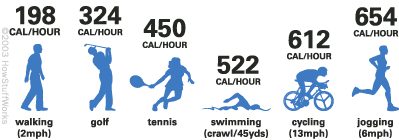
Use an online exercise calculator to see how different activities burn calories. Burning just 250 to 500 extra calories a day makes a massive difference. It gives you breathing room.
Cutting Calories Without Starving
Reducing intake doesn’t mean eating less food. It means eating smarter. Here are specific strategies to drop the numbers.
Drink your water, not your calories
This is the easiest win. Eliminate all calories from beverages.
Cola? Calorie bomb. Orange juice? Calorie bomb. Beer? Calorie bomb.
Drinks don’t trigger satiety signals. Your brain doesn’t register liquid calories the same way it does solid food.
Consider this: 10 ounces of orange juice is about 140 calories. It does nothing to curb your appetite. Now eat an orange. You get fewer calories. You chew. The act of chewing has a psychological effect. The fiber fills your stomach. You feel full.
Juice gives you sugar. Fruit gives you fullness. Choose the fruit.
Quit white sugar
White sugar is a Trojan horse. It hides in high-calorie foods you probably reach for daily.
Eliminate it, and you cut out:
* Cookies
* Cake
* Ice cream
* Cola
* Candy and candy bars
Refusing high-sugar foods eliminates entire classes of snacks. Your grocery store aisles just got a lot less dangerous.
Drop the fried foods
Fat is calorie-dense. Deep frying doubles down on it.
Stop eating:
* Potato chips
* Cheese crisps
* French fries
* Onion rings
* Donuts
* Fritters
* Fried chicken
Combine this with quitting sugar, and you’ve neutralized most high-calorie snacks. You’re no longer fighting a losing battle against the snack aisle.
Choose low-density foods
High-density foods pack lots of calories into a small package. A cookie is one example. Two bites can be 100 calories. It’s easy to overeat before you realize you’re full.
Low-density foods take up more space for fewer calories.
A banana is low-density. You have to take many bites to eat it. But you only get 100 calories. It takes longer to consume. Your brain registers the effort. You feel satisfied with less energy.
Swap the cookie for the banana. The math works in your favor.
Start tracking. Pick a number. Cut the liquids. Ditch the sugar and the fryer. It’s not about restriction. It’s about awareness.
What happens when you finally see the real cost of that “small” snack?

Volume Eating: Trick Your Stomach into Fullness
Here is a mental trick to grasp why low-calorie density matters. You could probably slam down a dozen Oreo-style cookies or a dozen SnackWell’s snacks without breaking a sweat. That’s 600 calories. Now, picture trying to eat six bananas in one sitting. You’d feel like you were going to burst. Yet, it’s the exact same calorie count.
The goal is to fill up on foods that take up space but provide few calories. These are your low-density allies:
- Natural fruits and vegetables
- Non-sugared cereals like shredded wheat
- Rice cakes
- Unbuttered popcorn
- High-fiber whole-grain bread
- Brown rice
Stay away from high-density traps. These are items heavy in sugar or fat: nuts, most meats, candy, crackers, chips, fried foods, cola, and beer. They pack a punch without filling you up.
There’s a simple psychological hack too. Ditch the baggy sweats. Wear form-fitting clothes. The snug fabric acts as a constant, subliminal reminder of your goals. It keeps you honest without you having to think about it.
If you stick to low-density foods, keep calories in below calories out through diet and movement, the fat leaves and the weight stabilizes. It is that straightforward.
Making Exercise Non-Negotiable
Exercise is the lever that helps you manage weight by increasing your daily burn. Use an online calculator to see how many calories specific activities burn for your body type. The key is integration. Don’t treat it as an event. Treat it as part of your life.
Here is how to weave it in:
- Find something you actually enjoy. Or at least, something you can tolerate. Do it daily for 30 to 60+ minutes. Walk. Ride a stationary bike while watching your show. Hit the gym at lunch.
- Add micro-exercises. Take the stairs instead of the elevator. Park at the far end of the lot when you grocery shop. These tiny choices compound.
- Keep dumbbells by your desk. Lift them three or four times a day while you are on a call or thinking through an email.
- Get a partner. Exercising with someone makes it easier to talk and easier to stay consistent. A partner turns a chore into a routine.
- Show up every day. Habits stick when they are daily. It is harder to skip something if it is just what you do.
Stop Believing the Magic Bullet Lies
We’ve all seen them. The ads screaming that you can drop 54 pounds in six weeks without changing a thing. It’s tempting to believe in shortcuts, especially when the scale feels like it’s mocking you. But let’s cut through the noise. There are no passive devices. No bracelets. No soaps. If it claims to burn calories while you sleep or wear it on your wrist, it’s lying. You cannot burn fat without burning energy. Period.
The Calorie Counting Trap
Here is the hard truth that diet culture hates: a calorie is just a unit of energy. It doesn’t care if it came from a mountain of white sugar or a block of pure fat. If you eat 4,000 calories of sugar, your body has to deal with 4,000 calories of fuel. Same with fat. The source matters for your health, sure, but for raw energy balance? It’s all the same number.
This brings us to the low-fat myth. You think buying the fat-free version is the safe bet? Think again. Manufacturers strip out the fat, but they don’t strip out the calories. They often replace it with sugar to make it taste good. You end up eating just as many, if not more, calories than you would have from the full-fat version. You’re tricking yourself into thinking you’re eating “light” while loading up on empty energy.
Why Rapid Weight Loss is a Lie
Let’s look at the math on those insane promises. To lose 54 pounds of actual fat in six weeks, you’d need to shed about 9 pounds a week. That’s roughly 1.3 pounds of fat every single day. Since one pound of fat equals 3,500 calories, you’d need to burn 4,500 calories above what you eat, every day.
How do you burn 4,500 extra calories daily? You’d have to eat absolutely nothing and run a marathon every single day for 42 days. It is physically impossible for a normal human. If someone loses that much weight that fast, it’s not fat. It’s water. Or worse. The ads are selling fantasy.
And don’t get me started on the enzyme-driven fat-burning cycle nonsense. Whether it’s nettle seeds, apple pectin, or some expensive pill, no natural substance creates a magical metabolic furnace that burns calories while you sit on the couch. Your body doesn’t work on magic. It works on thermodynamics.
The Only Real Rule
So, what actually works? It’s boring. It’s simple. And it’s a mental game.
You must consume fewer calories than your body burns in a day. This can happen by eating less, moving more, or a mix of both. But here’s the variable that trips everyone up: your baseline. Some people burn more calories per day than others. It’s like height or hair loss rate — everyone is different. You have to figure out the number of calories your specific body burns and stay under that limit.
Is it easy? No. The psychology of food is powerful. We eat when we’re stressed, bored, or happy. But once you stop looking for the secret ingredient and accept the basic math, you’re no longer fighting a war with bad weapons. You’re just playing the game by the right rules.
Where to Go From Here
If you want to dig deeper into the science without the sales pitch, there are solid resources out there. Look into how diet pills actually work in your body, or quiz yourself on ultimate calorie burning facts. Understanding how fat cells work and how exercise impacts metabolism can shift your perspective from “suffering” to “strategizing.”
For mental health support, the National Association of Anorexia Nervosa and Associated Disorders (ANAD) offers crucial resources. For hard data, check the NIDDK statistics on overweight and obesity.
There’s no magic. Just choices. And maybe a slightly heavier step on the stair machine.