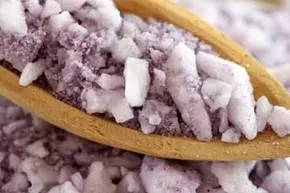
Rough spots can make your skin feel like a desert lizard that has shed its scales. If this sounds like you, don’t overlook exfoliating soap. No extra gel or thick cream is needed to solve this problem. A good soap leaves your skin smooth.
Exfoliation simply means removing dead cells from the top layer of the skin. Why bother? Because instead of sitting on the surface like a useless layer of dust, the moisturizer penetrates inside. Some people use a more rigorous regimen several times a week. Some people like a mild all-in-one bar every day.
Not just for dry skin. If you’re concerned about uneven skin tone or blotchiness, exfoliating soap can help even out your skin tone. Suitable for oily, dry, normal and combination skin. There is a product for everyone.
Natural vs. Synthetic Scrubs
Do you like something “natural”? You can find soaps that contain oats, sea salt, brown sugar or peach pits. These provide physical exfoliation. Other formulas use synthetic beads called microbeads. They are made of plastic and offer a gentler sloughing action. Strong soaps contain glycolic acid and other chemicals.
Choose ingredients that meet the specific needs of your skin. Using the wrong product can cause irritation, breakouts or chemical burns. You also need to understand your skin’s natural cycles. Excessive scrubbing can cause more harm than good. This is especially true for the sensitive skin on the face.
Every time you wash in the bathtub, your skin’s daily regeneration is stimulated. Let’s take a look at the science behind soap.
The Chemistry of Exfoliating Soap
Your skin is reborn every day without you even realizing it. Exfoliating soaps can help with this process. Think of your skin as a paper-thin brick wall. It may look delicate, but it is surprisingly durable.
The upper layer, or stratum corneum, grows in the form of brick and mortar. Each layer of cells acts as a brick. They are protected by a layer of oily lipids. Think of lipids as cement. They hold your skin together and keep it supple. This oil-coated barrier is your first line of defense against intruders. It also locks in moisture, preventing skin from drying out and cracking.
Soaps that claim to exfoliate contain a mixture of natural or synthetic ingredients. These remove cells while polishing the skin. Chemicals in the alpha hydroxy acid (AHA), salicylic acid, and beta hydroxy acid families break through the “brick wall.” They break down dead cells. Massage into rough areas, allowing the bioparticles to penetrate deep into the skin.
The purpose of chemical exfoliants is to break down the layers of the skin. This can release debris for hours, days, or even years. Your skin will be cleaner than using a non-exfoliating cleanser. fruit acids such as glycolic acid are derived from sugars, fruit acids or lactic acid in milk. They help build a smooth, moisturized layer of new cells. This will make your skin look healthier.
Coarse ingredients are physical particles that polish the skin after removing dead cells. Natural additives provide a grinding effect. They leave your skin feeling polished. If you have sensitive skin, avoid coarse particles. Choose microbeads or chemical exfoliating soap.
Less is more. While you may want immediate results, excessive exfoliation can cause irritation and redness. Be careful with chemicals. Be extra careful about the grainy particles you choose.
The Exfoliating Ritual
Get the most out of your routine. Start by spending a few minutes in the shower to soften your skin. On dry, rough areas like your feet, don’t be stingy with the scrub. Go easy on your face and other sensitive areas. Apply lightly in circular motions. Rinse thoroughly.
Choose a scrub that suits your skin type
We’ve been told for decades that rougher is better. Women apply oatmeal or sand to their skin to get a scrubbed glow. Sounds medieval, but the logic applies. This means that the coarse particles physically wash away the dead cells. But here’s the problem. If you have sensitive skin, these natural scrubs can do more harm than good. Synthetic alternatives exist for a reason. They mimic the exfoliating action of pumice or sand, but without the jagged, rough edges.
Not all exfoliants are created equal. In fact, the ingredients you choose should depend entirely on your application.
Body and face: one size does not fit all
Imagine how your feet feel when you walk barefoot on a beach full of seashells. This is the effect strong exfoliants have on your body. For elbows, heels, and other rough spots, natural ingredients like peanut shells, peach seeds, and coarse salt are great choices. They tackle thick, dead skin effectively.
However, the face is a different story. Imagine rubbing the same crushed seashell against your cheekbones. Looks painful, doesn’t it? It should. Facial skin is sensitive. The face requires fine, gentle particles. Consider superfine sugar, colloidal oatmeal, or rice bran. These can provide the lift you desire without causing trauma.
Why synthetic microbeads are a double-edged sword
Synthetic particles, especially microbeads made of plastic or polyethylene, offer a middle ground. They are designed to be gentle that even people with sensitive skin can use it every day. Less abrasive properties result in less cells during the cleaning process.
But there’s a problem. These little plastic beads won’t disappear even after washing. They flow into drains, bypass water treatment plants and eventually end up in our oceans. Studies show that they settle on the ocean floor and are mistaken for food by marine animals. This is the harsh truth. that buffed, invigorated feeling can come at the expense of marine life. For smoother skin without harming the environment, look for products made with ground seeds, sea salt, or other biodegradable natural ingredients.
The hidden risks of over-exfoliation
Exfoliating soaps can change your skin tone, but only if you respect your skin’s limitations. The skin is a living barrier, not a sponge. Scrubbing too hard, leaving acidic ingredients on for longer than the recommended 1-2 minutes, or using the wrong facial products can cause redness, acne flare-ups, and an increased risk of sun sensitivity.
Acids like AHA strip the skin of its natural protective layer. This exposes new, sensitive cells to sunlight. Requires a higher SPF than normal. If you’re going to spend the whole day in the sun, don’t exfoliate that day. This is a recipe for a bad sunburn.
Protect your eyes
This is not negotiable. When exfoliating your face, close your eyes and stay away from the skin around your eyes. The skin around the eyes is the thinnest on the body, and the eyes themselves are also very sensitive. Avoid rough sponges or sand particles near the orbital bone. A small mistake can cause significant irritation.
Do-it-yourself solutions for oily skin
If you have oily skin, you may not need to buy special products. Oatmeal is a main ingredient in body washes for its soothing properties, but it also absorbs oil and gently exfoliates.
You can make a simple face mask at home. It may stain the sink, but it is effective. Let’s start with a clean face. Spread a thin layer of honey. Honey is naturally antibacterial and sticky enough to hold the scrub together. Next, massage in oatmeal. Leave it on for a while, rinse with water, pat dry and then apply your usual moisturizer. This is an inexpensive and effective way to tackle oil without damaging the skin barrier.
The most important thing is to listen to your skin. If it tingles into burning, you’ve gone too far. If it feels tight and dry, you’re scrubbing too hard. Find a balance that makes you feel refreshed instead of raw.