


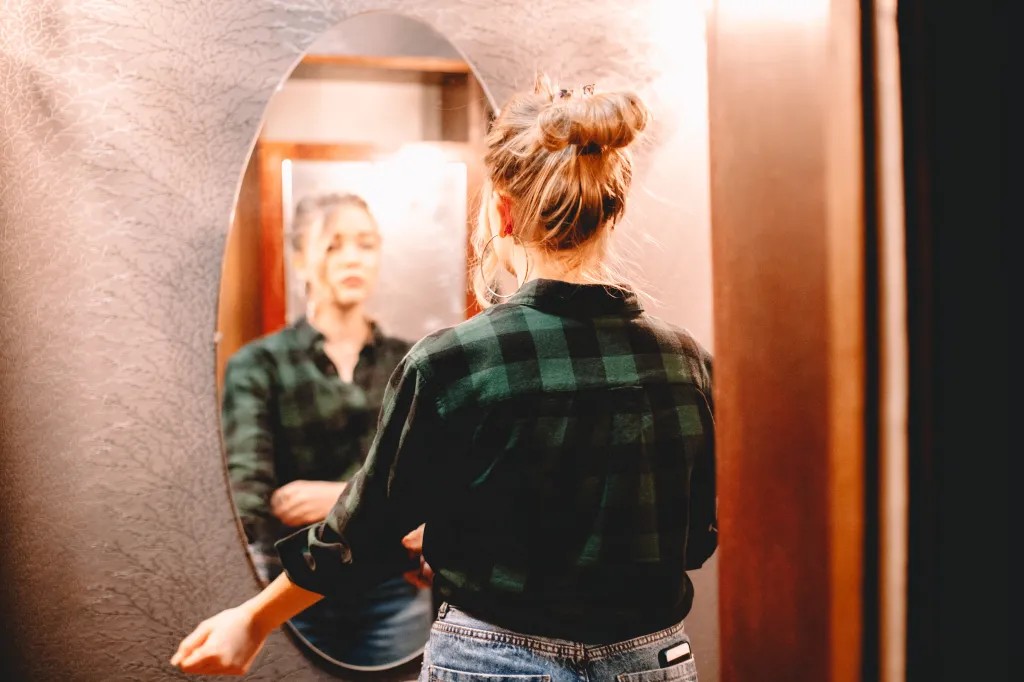
For years, the beauty industry pushed a single, aggressive ideal: flawless skin, symmetrical features, and an eternally youthful appearance. The rise of social media amplified this pressure, turning faces into standardized products. Now, however, a quieter shift is occurring. Women in their 30s and 40s are approaching cosmetic procedures not as erasures of time, but as curated choices. This change matters because it reflects a deeper fatigue with unattainable standards and a growing desire for authenticity.
The New Focus: Preservation, Not Perfection
Plastic surgeons report a noticeable change in patient requests. Women aren’t demanding to look like celebrities; they’re asking for subtle enhancements that maintain their recognizable features. Dr. James Chao describes this as “the age of the minimal tweak,” where micro-lifts and targeted procedures replace drastic facelifts. This isn’t just about advanced techniques; it’s about rejecting the artificial, overdone aesthetic that has saturated social media.
The trend extends to younger demographics, with women in their late 30s and early 40s seeking preventative measures earlier than previous generations. This reflects a hyper-awareness of aging, fueled by relentless marketing and algorithmic pressure. Teens, especially, are absorbing this anxiety, with some as young as eight experimenting with advanced skincare products.
The Impact on Teenage Girls
The shift in adult beauty standards doesn’t exist in isolation. Teen girls are constantly exposed to these pressures, internalizing a culture where self-worth is linked to perceived flaws. Clover Glass, a member of the SheKnows Teen Council, describes this as a constant “background noise” of insecurity, where even minor features are scrutinized. This isn’t simply pressure to conform; it’s a relentless cycle of self-monitoring and optimization.
The problem isn’t just the intensity of the pressure, but its specificity. Girls aren’t simply told to be pretty; they’re trained to obsess over microscopic details: undereye circles, skin texture, lip shape. This hyper-focus creates a generation primed to worry about aging before they’ve even fully matured.
Cultural Roots and Generational Fatigue
The current obsession with “subtle” beauty isn’t spontaneous. It’s a continuation of decades of diet culture and unrealistic expectations. Many women today grew up in an era where thinness was equated with virtue and beauty standards were ruthlessly enforced. These messages don’t disappear; they evolve, shifting from bodies to faces, from weight loss to “youthfulness.”
The exhaustion is palpable. Advanced aesthetician Marie Matteucci observes a generational divide: younger clients are driven by algorithm-fueled anxiety, while midlife women express fatigue with the endless pursuit of perfection. This isn’t a rejection of aesthetic medicine, but a recalibration toward authenticity.
Modeling Healthier Attitudes
The way this conversation unfolds will shape how future generations understand aging. If society stops labeling natural features as flaws, girls might finally feel free to exist without constant judgment. The key isn’t simply allowing cosmetic procedures, but promoting a more nuanced understanding of beauty: aging isn’t a failure, and elective surgery is a personal choice, not a societal expectation.
Ultimately, the real question is whether we’re ready to create space for natural existence. For our daughters, yes, but also for ourselves. The shift in beauty standards isn’t just about aesthetics; it’s about reclaiming agency and redefining what it means to age with dignity.


