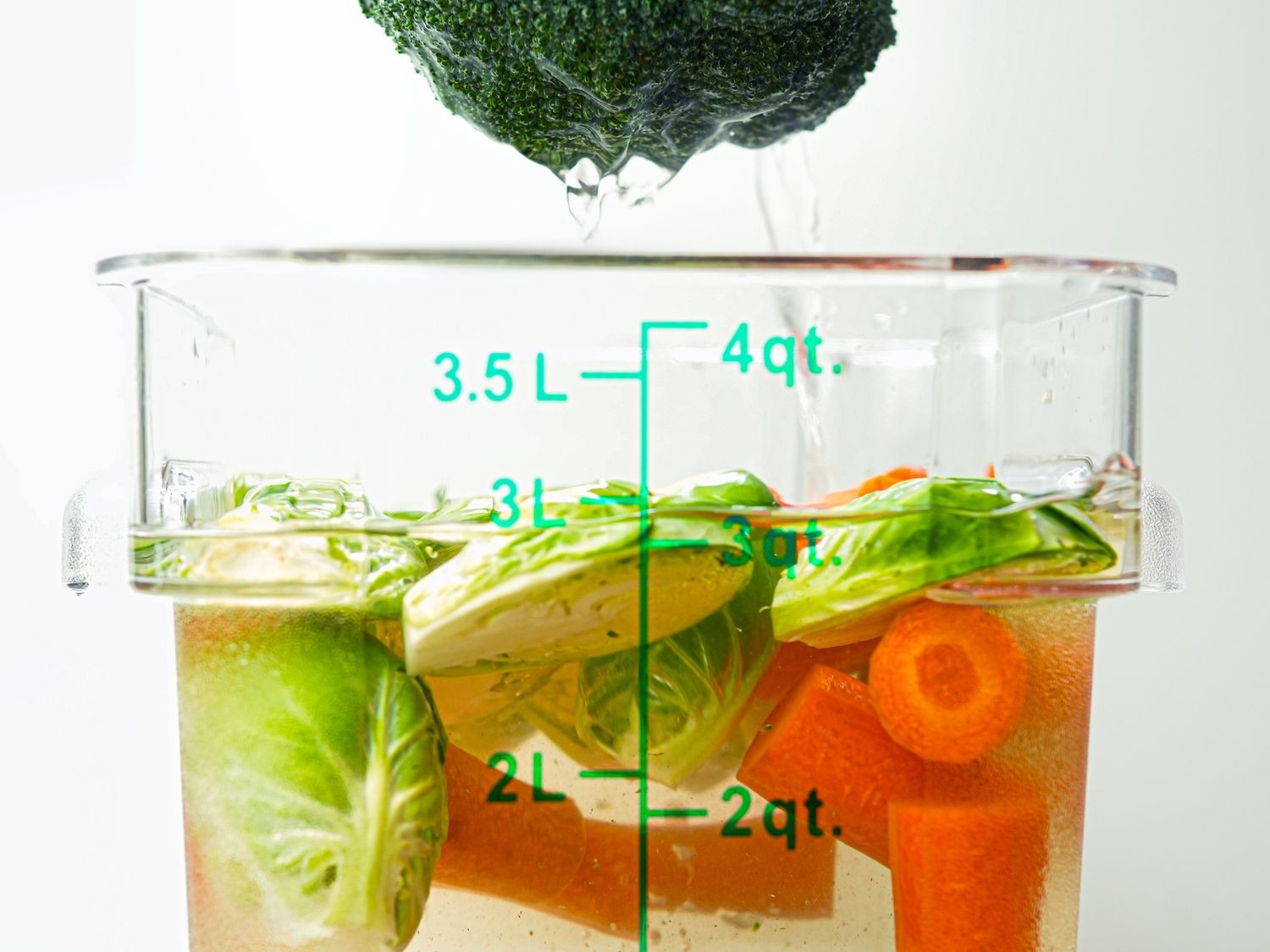
For years, home cooks have been told to roast vegetables, but few consider the simple trick that can dramatically improve the outcome: brining. Recent testing confirms that soaking vegetables in saltwater before cooking yields sweeter, more tender, and evenly browned results. This isn’t just theory; the data shows measurable improvements in flavor and texture, particularly for vegetables prone to bitterness.
Why Brining Works
The science is straightforward. Vegetables like Brussels sprouts, carrots, and squash have internal structures that trap air and moisture. A saltwater brine penetrates these spaces, drawing out excess water and seasoning the vegetable from within. This process does more than just hydrate the vegetable; it alters its cellular structure, leading to a more tender texture and enhanced sweetness.
The testing involved weighing Brussels sprouts before and after brining in different salt concentrations (5%) for varying durations (30 minutes, 1 hour, 4 hours, 12 hours). The results showed that even short brines increased weight, indicating water absorption. However, significant flavor and texture improvements only emerged after at least one hour of brining.
The Sweet Spot: Timing and Salt Concentration
The key to optimal results lies in balance.
– Too short: (30 minutes) leads to uneven cooking, a raw taste, and minimal improvement.
– Too long: (12 hours) can make the vegetable overly salty, though still more tender than unbrined versions.
The sweet spot falls between one and four hours in a salt concentration of 5-8%. This duration allows the brine to penetrate effectively without overwhelming the vegetable with salt. The enhanced browning observed in brined vegetables may be due to salt facilitating the Maillard reaction, a chemical process responsible for creating rich, browned flavors.
Beyond Brussels Sprouts: What Else Benefits?
The testing wasn’t limited to Brussels sprouts. Carrots, kabocha squash, and butternut squash all showed similar improvements with brining. This suggests that dense, slightly bitter vegetables stand to gain the most from this method. High-heat cooking methods like air frying and roasting benefit the most.
Limitations and Future Testing
While brining is transformative for many vegetables, it’s not a universal solution. Some vegetables may not require or benefit from this process. The current testing was limited to high-heat applications. Further research should explore whether brining enhances low-and-slow cooking methods. Additionally, dozens of other vegetables remain untested.
The verdict is clear: if you’re looking to elevate your roasted vegetables, brining is a simple, effective technique that delivers measurable results. It’s a small step that yields a surprisingly significant improvement in flavor, texture, and appearance.