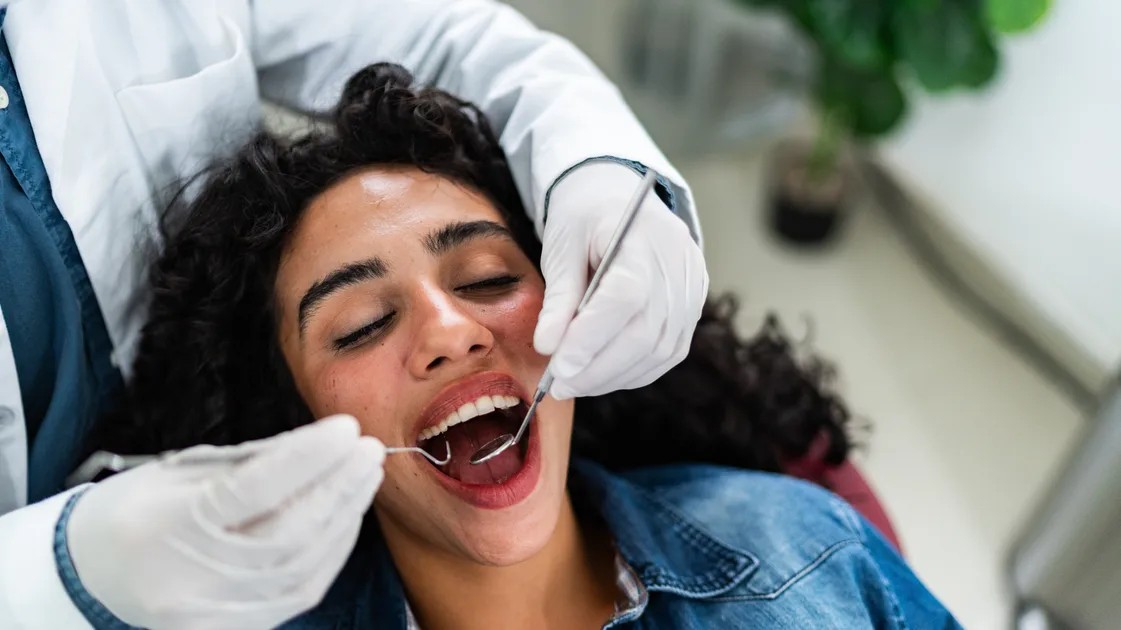
The modern obsession with self-optimization extends to our smiles, driven by the constant scrutiny of social media. While cosmetic dentistry isn’t new, a growing number of young women are pursuing procedures like veneers—even with perfectly healthy teeth—reflecting a shift in beauty standards. This isn’t simply about vanity; it’s a response to the hyper-polished smiles saturating platforms like TikTok and Instagram, where minor imperfections are amplified by relentless self-comparison.
The Normalization of Cosmetic Alteration
What’s changed isn’t the desire for attractive teeth, but the expectation that altering them is routine. Subtle variations in tooth shape or shade—once unnoticed—now seem glaring when contrasted with digitally perfected images. The casual language surrounding procedures like veneers (“smile transformations,” “seat day” reveals) normalizes them as just another step in self-care, alongside facials or waxing appointments.
In 2023 alone, over 260,000 minimally invasive cosmetic procedures were performed on individuals under 20, according to the American Society of Plastic Surgeons. Although veneers aren’t tracked the same way as injectables, demand from young adults without medical needs is increasing rapidly.
The Illusion of Perfection
Social media magnifies minor details, making cosmetic alterations feel attainable and therefore expected. The constant exposure to filtered images, AI-generated faces, and celebrity transformations distorts perceptions of what a “good” smile looks like. This effect is exacerbated by the ubiquity of personal cameras—Zoom, FaceTime, dating apps—where faces are under constant scrutiny.
This pressure isn’t new, but its granularity is. Today’s standards demand not just beautiful teeth, but flawless uniformity.
The Risks of Misunderstanding
Many online discussions fail to differentiate between veneers and crowns—a far more invasive procedure requiring significant removal of natural tooth structure. The viral clip of an internet personality’s “veneers” falling out actually showed crowns dislodging, underscoring the widespread misunderstanding of these procedures.
Dentists emphasize that veneers are an enhancement, covering only the front surface of a tooth, while crowns involve aggressive drilling that can’t be reversed. For young patients with healthy enamel, crowns are often unnecessary, yet the distinction is often blurred online.
The Impact on Body Image
Recent research shows that teen girls process body image content differently than boys, with girls disproportionately exposed to harmful beauty standards on platforms like TikTok and Instagram. This constant exposure fosters “societal acceptance of body dissatisfaction,” creating a dangerous environment where cosmetic procedures feel like the norm.
The Real Cost
While veneers can be appropriate for certain cases (trauma, discoloration), they aren’t a cosmetic shortcut. They require long-term maintenance, eventual replacement, and can range from $500 to $2,500 per tooth. Over-preparation can lead to sensitivity, nerve damage, and irreversible restorative work.
Ultimately, the surge in cosmetic consults highlights a deeper vulnerability. Young women pause videos of themselves, questioning why their smiles don’t match the filtered perfection they see online. The cumulative effect of these comparisons makes healthy teeth feel insufficient.
The pressure rarely announces itself; it builds gradually until opting out feels harder than opting in. A smile is not just an aesthetic choice—it’s biological, personal, and shaped by real life. As cosmetic dentistry becomes normalized, the critical question is whether young women are given enough honest information to decide what they actually want, rather than chasing an impossible ideal. Sometimes, the best option is realizing that the smile you already have doesn’t need fixing at all.