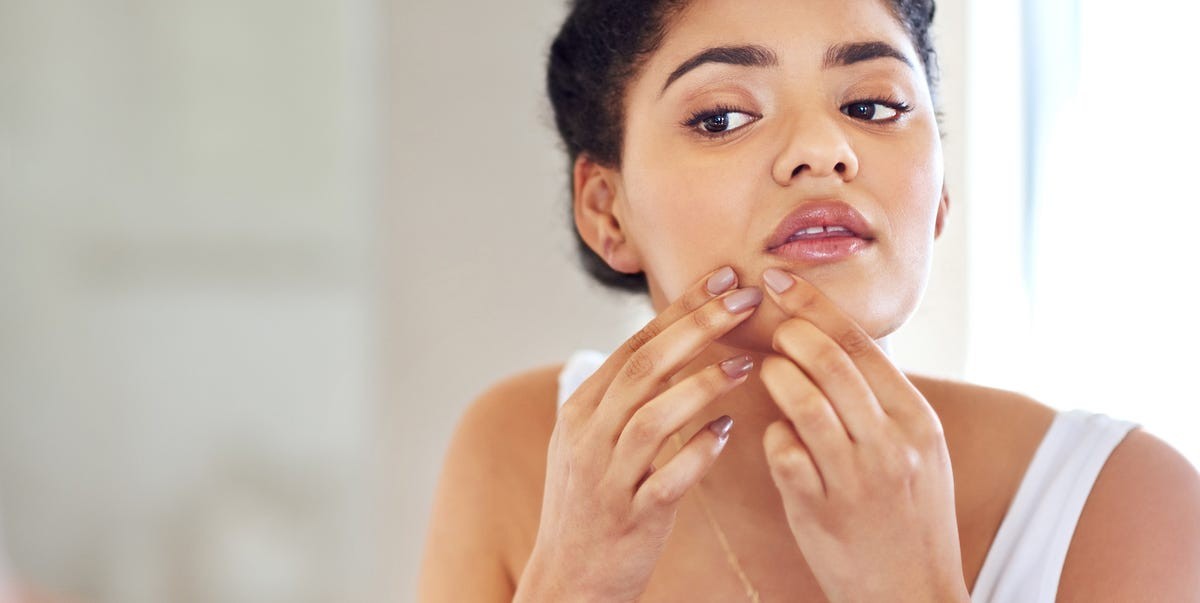
Milia are those tiny, pearl-like bumps that often cluster around the eyes, nose, and cheeks. Unlike pimples or whiteheads, they aren’t caused by bacteria or oil buildup – instead, they’re hardened balls of keratin trapped beneath the skin’s surface. These bumps aren’t dangerous, but many people find them unsightly and seek ways to get rid of them. Understanding what causes them and how to treat them is key to clear skin.
What Exactly Are Milia?
Milia form when dead skin cells and sebum (natural skin oil) become trapped in tiny cysts just below the skin’s surface. Dermatologists describe them as hard keratin deposits, making them different from typical acne. Unlike pimples, milia can’t be squeezed out and often require professional treatment. The bumps appear white on all skin tones and don’t come with the redness or inflammation associated with acne.
What Causes Milia?
Several factors can contribute to milia formation:
- Poor Cleansing: Insufficient removal of dead skin cells and excess oil can lead to buildup and clogged pores.
- Heavy Skincare Products: Rich, thick creams may exacerbate the problem, particularly around the eyes. Lightweight, water-based moisturizers are preferable.
- Smoking: Some experts, like celebrity esthetician Renée Rouleau, have observed a correlation between smoking and milia around the eyes. Smoke exposure may contribute to keratin hardening in the area.
- Skin Damage: Milia can also appear after skin injuries, such as burns or blistering.
How to Treat Milia Effectively
Attempting to pop milia at home is ineffective and can cause scarring. Instead, follow these steps:
- Gentle Cleansing: Thoroughly remove makeup and impurities nightly with a mild cleanser.
- Regular Exfoliation: Use alpha hydroxy acids (AHAs) like glycolic or lactic acid, or beta hydroxy acids (BHAs) like salicylic acid, to slough off dead skin cells and control oil production. Start slowly to avoid irritation.
- Retinol Application: Retinols promote skin cell turnover, helping prevent and treat milia. Use cautiously, avoiding the upper eyelids and if pregnant or breastfeeding.
- Professional Extraction: If at-home treatments fail, a dermatologist can safely extract milia with a sterile needle and potentially use electrodessication to burn them off. Wound care is crucial after electrodessication to avoid scarring.
Prevention is Key
Milia aren’t always preventable, but diligent skincare can minimize their occurrence. Prioritize gentle cleansing, regular exfoliation, and lightweight hydration to keep skin clear. If milia persist, professional treatment is often the most effective solution.
By understanding the causes and following these treatment guidelines, you can effectively manage milia and maintain healthy, smooth skin.