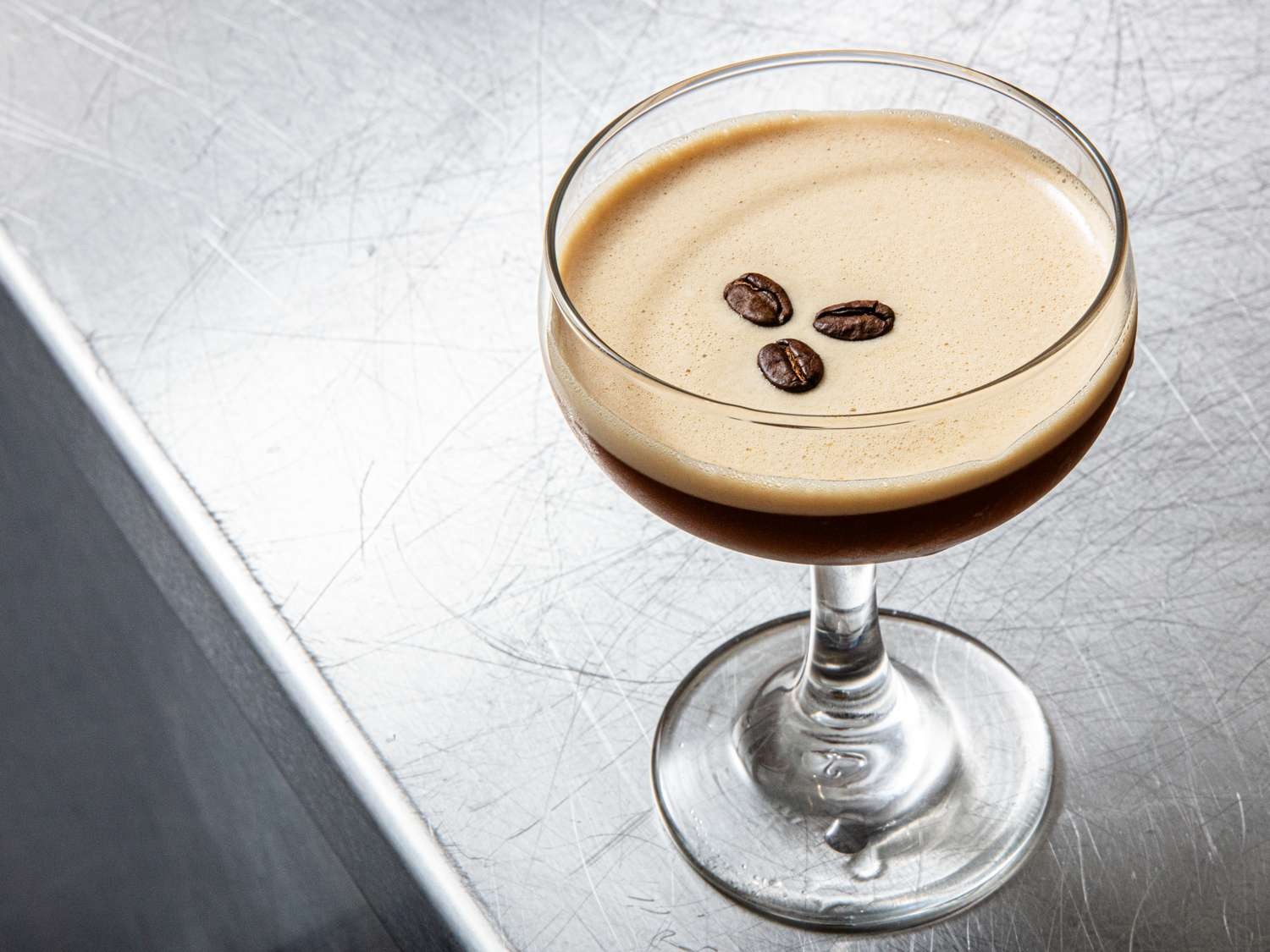
The espresso martini is a modern classic—a potent blend of vodka, coffee liqueur, and espresso, topped with a delicate foam. But achieving perfection at home requires understanding the nuances of ingredients and technique. This guide breaks down the science behind the cocktail, from coffee selection to shaking method, ensuring a consistently exceptional result.
Decoding the Recipe: Beyond Basic Ratios
The standard espresso martini relies on a balance of three core components. Most recipes suggest a range of 1.5 to 2 fluid ounces of vodka, 0.75 to 1.5 ounces of espresso, and 0.5 to 1 ounce of coffee liqueur. However, these ranges are only a starting point. Many home bartenders find that simple syrup isn’t necessary if coffee liqueur is used generously enough to sweeten the drink.
Key takeaway: The ideal ratio isn’t fixed. Adjust based on your preference and the strength of your ingredients.
The Coffee Conundrum: Espresso vs. Alternatives
The most challenging aspect of the espresso martini is the coffee itself. True espresso, with its concentrated TDS (total dissolved solids) of 8.5-10%, yields the richest flavor and best foam. However, not everyone has access to an espresso machine.
Acceptable substitutes include:
- Moka Pot Coffee: While not true espresso, a moka pot produces a strong, unfiltered brew with roughly half the TDS. Increase the quantity by about 50% (1.5 fl oz instead of 1 fl oz) to compensate.
- Cold Brew Concentrate: Convenient but less ideal, cold brew concentrate has a TDS similar to moka pot coffee (4-5%). It lacks the oils and freshness of espresso, resulting in a milder, less foamy drink.
- Avoid: Aeropress or pod systems (Nespresso, etc.) offer too little concentration for a truly satisfying martini.
The Science of Foam: Why Freshness Matters
The signature foam on top of an espresso martini isn’t just aesthetic. It’s a result of trapped CO2 gas in coffee oils, created by vigorous shaking. Espresso’s crema and high TDS contribute significantly to foam formation.
To maximize foam:
- Use fresh espresso: The fresher the brew, the more CO2 is retained.
- Chill everything: Keep vodka and coffee liqueur well chilled to minimize ice melt during shaking.
- Shake vigorously: Shake for longer than you might think—at least 15-20 seconds—to emulsify the ingredients and create stable foam.
The Bottom Line
The perfect espresso martini isn’t about rigid measurements; it’s about understanding the interplay of ingredients. While espresso remains the gold standard, alternatives can deliver satisfying results with careful adjustments. Prioritize freshness, vigorous shaking, and a willingness to experiment until you find your ideal balance.