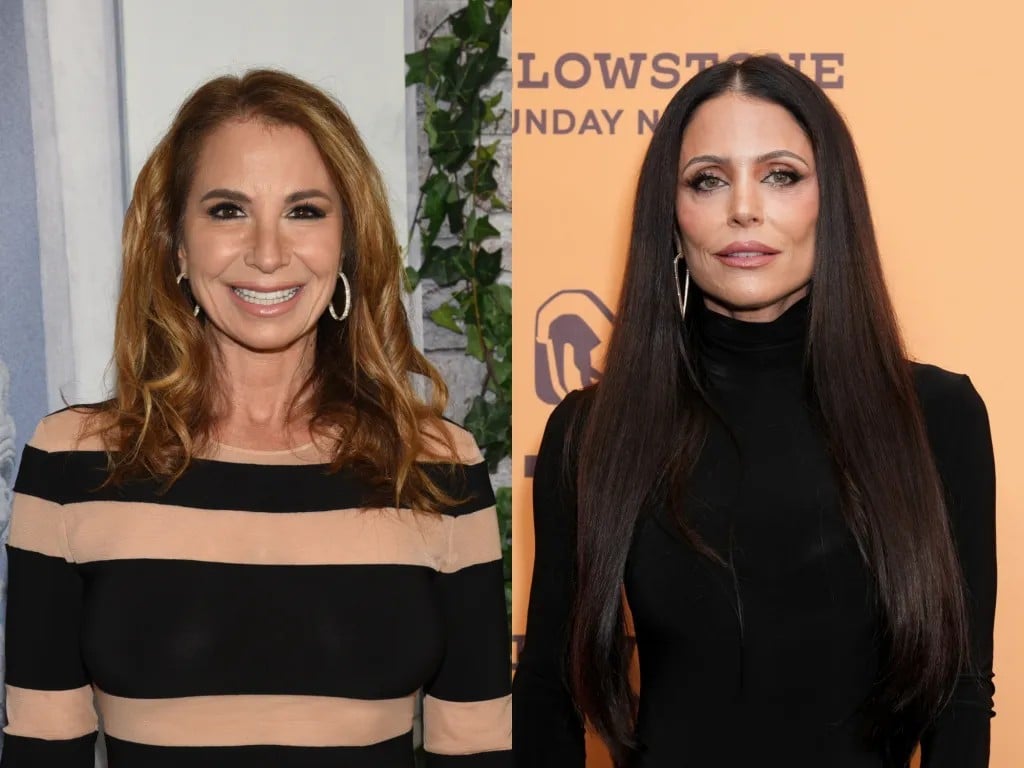
Former Real Housewives of New York City stars Jill Zarin and Bethenny Frankel have drawn significant online criticism after posting—and then deleting—negative reactions to Bad Bunny’s 2026 Super Bowl halftime show. The controversy highlights the growing tension between entertainment, cultural expression, and public expectations for neutrality in large-scale events.
Zarin’s Controversial Remarks
Jill Zarin described Bad Bunny’s performance as “the worst halftime show ever,” specifically criticizing his use of Spanish and what she perceived as inappropriate gestures. Zarin’s comments, captured in a screen-recorded Instagram post before its removal, also alluded to the lack of “white people” in the performance and suggested a possible “political statement.” Her remarks triggered immediate backlash, including a disavowal from her former company, Zarin Fabrics, which explicitly condemned racism and discriminatory rhetoric. The firm clarified that Zarin hasn’t been associated with their business for years.
This incident underscores how quickly public figures can face repercussions for insensitive statements, particularly in a hyper-connected social media environment. Zarin’s comments ignited a debate about inclusivity and cultural representation in mainstream entertainment.
Frankel’s Shifting Stance
Bethenny Frankel initially questioned whether the Super Bowl should be used as a platform for “personal, cultural, political views.” In a deleted TikTok, she drew parallels between Bad Bunny’s performance and controversial moments from other entertainers—including Dave Chappelle’s transphobic jokes, Richard Gere’s criticism of China, and Billie Eilish’s anti-ICE statements. She asked where the line should be drawn for public expression at such events.
However, following widespread praise for Bad Bunny’s performance, Frankel backtracked in a subsequent TikTok, stating that he was an artist expressing himself. This reversal didn’t appease critics, who accused her of opportunistically changing her position.
Frankel’s initial skepticism and subsequent retreat illustrate the pressure celebrities face to align with public opinion, especially when dealing with culturally sensitive topics. The incident raised questions about whether entertainers should remain neutral during high-profile events or if artistic expression should take precedence.
Why This Matters
The backlash against Zarin and Frankel reflects broader societal shifts toward greater inclusivity and accountability. Their comments tapped into existing debates about cultural appropriation, language politics, and the boundaries of free speech in entertainment. The speed with which their views were criticized and archived demonstrates how social media amplifies both praise and condemnation, forcing public figures to carefully consider their messaging.
Ultimately, the controversy serves as a reminder that even deleted statements can have lasting consequences in today’s digital age.