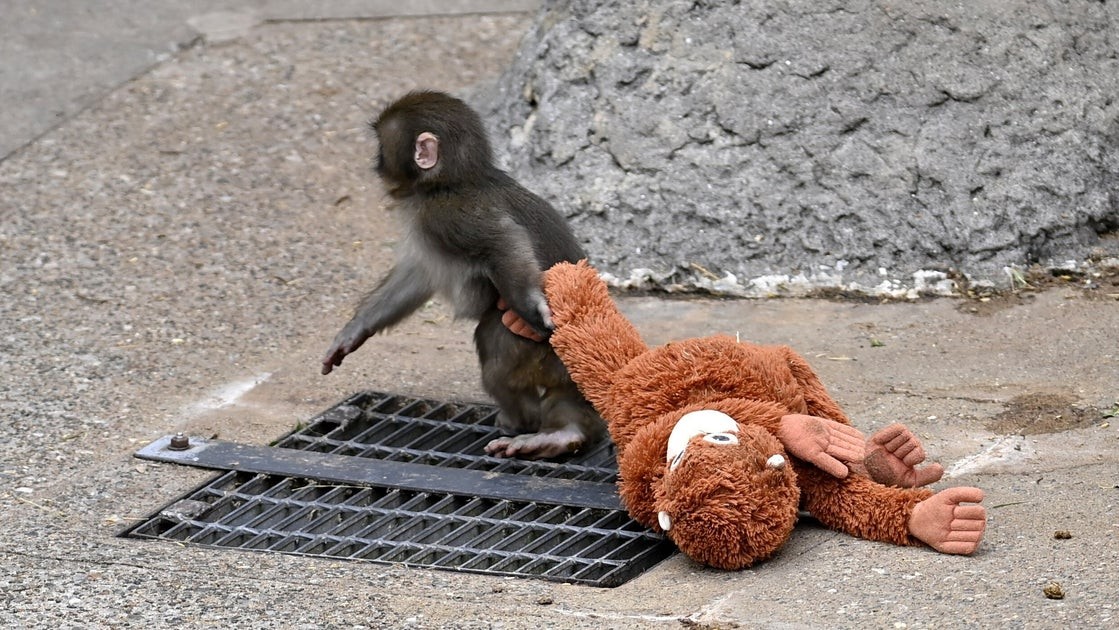
The story of Punch, a baby Japanese macaque abandoned by his mother at Ichikawa City Zoo, has captured hearts globally. Born in July 2025, Punch’s case raises a vital question: why do mothers sometimes reject their offspring? While rare, infant abandonment does occur in primates, and understanding the reasons behind it sheds light on the complex realities of animal behavior.
Primate Motherhood: A Rare But Real Phenomenon
Primate mothers are typically fiercely protective and attentive. Experts like John Mitani, a primate behavioral ecologist, emphasize that macaque mothers maintain strong bonds with their daughters across generations. Abandonment, therefore, is an anomaly. However, circumstances can change this.
Stress, First-Time Mothers, and Survival Instincts
Cases of abandonment are more likely in captivity, particularly when mothers are stressed. Punch was born during a heatwave, which may have increased environmental pressures on his mother. Alison Behie, a biological anthropologist, explains that mothers may prioritize their own survival and future reproduction, especially if an infant has low chances of survival in harsh conditions.
First-time mothers (primiparae) are also more prone to neglect, as motherhood is a skill learned over time. Mitani notes that the mother’s upbringing and social environment play a role: did she have proper guidance from her own mother or peers?
The Harsh Reality of the Wild
In the wild, abandoned infants without maternal care face grim prospects. Without milk, they often die. Even if they survive weaning, they face higher mortality rates and increased aggression from other monkeys. Dominance hierarchies determine access to food, and abandoned infants are at the bottom.
However, alloparental care – where non-mothers provide support – sometimes occurs, especially from relatives or close associates. Even adult males can occasionally step in. Still, maternal care is critical for nutrition and socialization.
Punch’s Struggle to Integrate
After being reintroduced to his troop in January, Punch struggled to fit in, sometimes facing aggression from older macaques. Though the zoo reports that the troop is warming up to him, the incident highlighted the challenges of social integration. Videos of an adult female seemingly bullying Punch circulated online, prompting questions about his well-being.
The zoo clarified that the adult female was protecting her own infant from Punch’s attempts to engage, and such aggression is normal in macaque societies. Dominant females enforce hierarchies, even on infants.
The Bigger Picture: Primates as Wild Animals
Despite Punch’s story, it’s crucial to remember that primates are wild animals, not pets. Viral stories can fuel the illegal pet trade, driving population declines. Supporting zoos and wildlife centers that rehabilitate and care for these animals is the most effective way to help.
Ultimately, Punch’s case underscores the fragility of primate motherhood and the complex interplay between biology, environment, and social dynamics. While heartbreaking, his story also highlights the importance of conservation efforts and responsible care for these remarkable creatures.