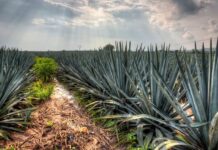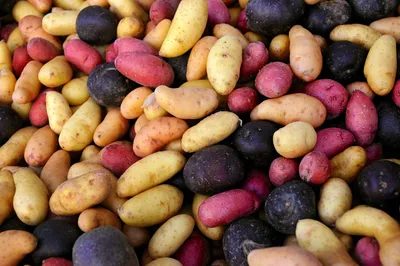
It’s strange to think about it, but the potato is a nightshade.
Solanum tuberosum is an annual plant that produces starchy edible tubers. This crop, native to the Andes of Peru and Bolivia, has conquered all inhabited continents. Why? High yields. Adaptation to different climatic conditions.
Today it is a global staple. It is eaten boiled, pureed or fried. It’s french fries. It’s chips. It’s starch and flours in your baked goods. Even vodka and aquavit are derived from these humble tubers.
Nutritionally, they are an powerhouse. Very digestible. Contains plenty of vitamin C, potassium, thiamin and niacin. Eat them with the peel and you’ll also get fiber.
How the potato was domesticated in the Andes
The story begins in the high Andes. The indigenous people living there domesticated the potato thousands of years ago. They chose varieties that could withstand harsh conditions. It wasn’t just agriculture. It was about survival.
Spanish colonizers brought potatoes to Europe in the 16th century. At first there was suspicion ran high. Many believed the plant to be poisonous or even linked to syphilis. It took centuries for Europe to accept it as food.
In the 18th century, the potato became an integral part of the European diet. It helped prevent famine. It supported population growth. In Ireland it became the main source of food. This dependence later led to disaster when the blight broke out in the 1840s.
But the potato was also successful outside of Europe. In North America, it spread west with the settlers. In Asia, it was integrated into the local cuisine. Today, China and India are the biggest producers.
The adaptability of the potato is its superpower. It grows on poor soil. It tolerates cold. Keeps well without refrigeration. These characteristics made it a crucial crop for global food security.
Why the potato is more important than ever
We often overlook the potato. It’s cheap. It’s common. But it is also resilient.
Climate change makes other crops less reliable. In many regions, potatoes survive drought better than wheat or rice. It provides more calories per acre than most grains. This makes it a key player in future food systems.
From a nutritional perspective, it is underrated. People blame it for weight gain. But a plain baked potato has no fat. No sodium. The fries and the butter cause problems. If you eat it right, it supports heart health. Potassium helps regulate blood pressure. Vitamin C boosts immunity. Fiber supports digestion.
The versatility of the tuber is unmatched. It can be made into chips. Fermented into alcohol. Ground into flour for gluten-free baking. This flexibility guarantees its place in modern kitchens.
Nevertheless, we face challenges. Monoculture farming makes plants susceptible to diseases. The Irish famine is a stark reminder. Diversification of potato varieties is essential. Breeding resistant strains can protect future crops.
The potato in modern culture
In addition to food, potatoes shape culture. There are hundreds of indigenous varieties in Peru. Each has unique colors and textures. Culinary traditions there celebrate this diversity.
In the US, potatoes are comfort foods. Mashed Potatoes for Thanksgiving. Hash browns on
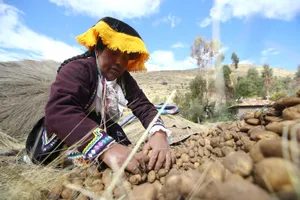
The ancient Andean roots of the potato
It is often forgotten that potatoes were not only a European export, but eventually dominated dining tables around the world. The truth is much older and more complex. Native peoples of the central Andes independently domesticated these tubers at least several times, beginning more than 7,000 years ago. They don’t grow just one type of potato. They developed hundreds of different varieties, each perfectly adapted to specific altitudes, soil types and climate changes. This biodiversity made potatoes the absolute backbone of Andean civilizations, including the Inca Empire.
The agricultural technology behind this is very complex. Farmers did not just plant seeds in flat fields. They built terraces to manage steep slopes and developed complex irrigation systems to control the flow of water. These technologies allowed them to maximize production in some of the most rugged terrains on Earth.
When it comes to diet, the options are simple but effective. Potatoes can be eaten fresh, roasted, boiled or baked. But the real innovation lay in preservation. Surplus harvests don’t just rot. They are used to make chuño, a freeze-dried product that could last for years.
Chuño is essentially the original survival food, lightweight and durable enough to sustain armies and travelers for months.
This process is simple but ingenious. At night, the tubers are left outside to freeze in the cold Andean air. the intense sunlight dried them out due to strong sunlight. This natural freeze-drying process removed moisture and toxins, creating a shelf-stable staple. Why is this important today? Because chuño was critical in times of scarcity. This allows communities to survive droughts and poor harvests. It is also the go-to ration for long trips and military operations where weight and spoilage are major concerns. Long before the advent of dehydrated camping food, the Andes solved the problem of portability and preservation.
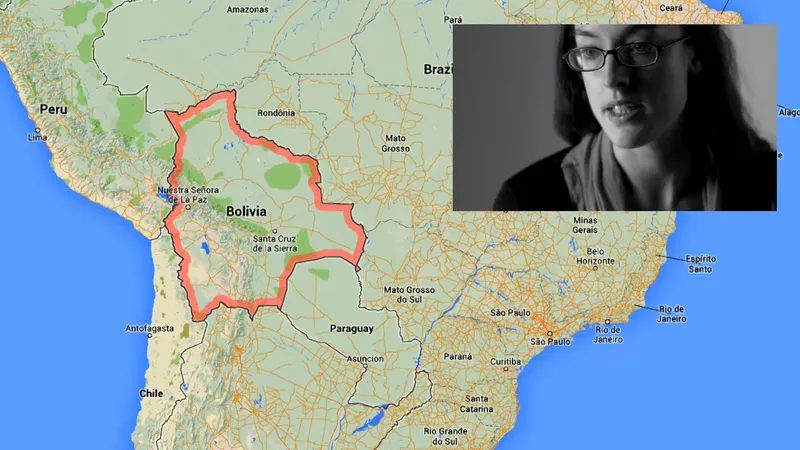
The potato’s arrival in Europe was anything but gentle. Spanish invaders brought the tuber from the New World in the late 1500s. It wasn’t an immediate love affair. But it stuck.
This wasn’t just another exotic vegetable. It became the cornerstone of the Columbian Exchange. Its introduction helped to diversify diets across the continent. It supported agricultural shifts. And it encouraged population growth in ways other grains couldn’t always match.
By 1700, the potato was already playing an important role in Ireland. Fast forward to the 1700s and dominated the fields of continental Europe, especially Germany. It has also gained a foothold in the West of England. The spread continued for the first forty years of the 19th century in both hemispheres. In Ireland the dependence became complete. The economy revolved around the tuber.
Then came the crash.
The late blight caused by the pathogen Phytophthora infestans has suffered greatly. Crop failures in the mid-19th century – particularly in 1846 and 1848 – led to the Irish Potato Famine. It was a disaster born of reliance. After that, the attitude towards exclusive dependence on one crop changed. Caution replaced blind trust.
What does the plant actually look like?
In addition to the story, there is the plant itself. Understanding its physical characteristics helps explain why it was so adaptable—and why it was so vulnerable.
A potato is a tuber. It grows underground from stolon roots. This underground storage allows it to survive harsh conditions that would destroy above-ground crops. The leaves are typically compound leaves arranged on a central stem. The color of the flowers can vary, often white, pink or purple depending on the variety. But the underground swollen stem is the most important for agriculture.
This structure explains its success. Tubers store energy. They can be stored for months in a cool, dark place. This shelf life made them invaluable for surviving the winter in Europe. This also meant that farmers could plan their crops with some predictability, as opposed to rain-dependent crops.
But the same dependence on a single underground structure carries risks. When the blight struck, it didn’t just affect one part of the plant. It quickly spread through the leaves and into the tubers, rotting them in the ground. When the underground supplies failed, there was no aboveground crop to harvest.
Physical description is not just botanical detail. This is the reason for the rise of the potato and its most infamous fall. The very qualities that made it a population-booster became a failure during the famine.
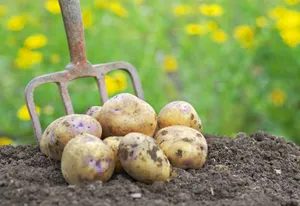
When most people look at a potato, they see starch. They don’t see the twisted underground engineering that got it there.
It belongs to the genus Solanum, which is a large family that includes about 150 other species of tuberous plants. The potato is not a root. It is a swollen underground stem. It is a tuber.
Above ground, this plant is much more decorative than you might imagine. The leaves are complex and spirally arranged. The length of each is 20-30 cm. In the upper part there is a terminal leaflet, below which there are 2-4 pairs of smaller leaflets. This is geometric efficiency.
Then there’s the bloom.
The flowers are white, lavender or purple. Five petals merge together to form a star-like shape. Yellow stamens sit right in the middle. They’re pretty enough to put in a vase.
But don’t get comfortable.
The fruit is a small berry. It is poisonous. It holds numerous seeds inside.
The potato is one of about 150 species of tuberous plants (the tuber is the swollen end of an underground stem) in the Solanum genus.
That’s the disconnect. The edible part is the stem. The fruit is a warning sign.
We eat underground storage organs because they are high in calories. We ignore the rest. The leaves. The flowers. The toxic berries.
A reminder that not everything that looks delicious is safe. Not everything that looks like a vegetable is really a root.
How potatoes grow underground
It starts with stolons. These stems reach deep into the ground and twist and turn until they reach their destination. At the tips, things swell. They turn into tubers. Maybe you get two. Maybe you get twenty. The shape is unpredictable. Size varies greatly. Most sit comfortably around 300 grams. Some break the scales and weigh more than 1.5 kilos. It’s big.
Colors also tell a story. The skin can be pale, almost white or deep earth brown. Then there’s purple. Dark purple. The flesh inside mirrors this range. White. Yellow. Purple. It all depends on the variety.
Eyes and clones
Take a closer look at the surface of the tuber. You will see spiral shaped buds. These are the eyes. They sit where the old leaves were and leave small scars. If the conditions are right, these buds will germinate. They don’t just grow; they copy. The new plant is a genetic clone of the parent plant.
In this way, growers preserve certain characteristics. If you want a potato that will keep its shape in a stew or crisps up perfectly for chips, clone it. Vegetative reproduction is standard. It’s always been like that. Commercial farming is totally dependent on it.
But there is a catch.
Cloning reduces genetic diversity. A field of identical potatoes is a buffet for pests. They spread quickly. They hit hard. The popular varieties we know and love are more vulnerable because they lack genetic diversity. It’s a compromise. Predictability for resilience.
Fight back
Potatoes don’t just sit there waiting to be eaten. They fight back. Or rather, they suffer. Late blight. Viruses. Nematodes. Colorado potato beetle. Each one is a threat to the crop.
Resistant cultivars are essential. Integrated pest management is not just a buzzword; It’s a survival tactic. Without it, the harvest will fail. The balance is fragile. One bad season, one new strain of blight and the crop is gone.
Growers know this. They cultivate the soil. They rotate crops. They watch for the first sign of trouble. It’s constant work. A potato is simple, but the life cycle is complex. And it continues beneath the surface, unseen and unnoticed by most.

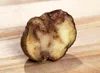
你从食品储藏室里拿出一袋土豆。 他们看起来很好。 也许有点发芽。 但随后你会注意到:眼睛附近有淡淡的、令人不安的绿色色调。 你把它刮掉。 安全吗? 简短的回答是否定的。 对于块茎来说,绿色不仅仅是泥土或糟糕的一天; 这是叶绿素产生的标志,当土豆暴露在光线下时就会发生叶绿素产生。 但叶绿素本身并不是毒药。 它是茄碱的标记。
茄碱是植物产生的一种天然毒素,可以抵御害虫。 当马铃薯肉变绿时,龙葵素水平显着升高。 当然,它的味道很苦,但即使你尝不到它的味道,它也会引起恶心、头痛,在严重的情况下,还会引起更严重的神经系统问题。 你无法从土豆中煮出龙葵素。 冷冻不会破坏它。 煮沸并不能中和它。 如果绿色是表面的,你可以大方地把它剪掉。 如果绿色深入或土豆干瘪变软,请将其扔掉。 不要为了便宜的配菜而冒险。
Sweet Potatoes vs. Yams: The Confusion
When you walk into an American grocery store, you see orange-fleshed sweet potatoes with the word “yams” written all over them. It’s not yam. They are cousins, but they are not the same. True yams belong to the Dioscorea genus. Native to Africa and Asia, it has rough bark-like skin and starchy white or purple flesh. You probably won’t see them in your average American supermarket unless you’re in certain international aisles.
The orange-fleshed tubers we call yams are actually sweet potatoes, Ipomoea batatas. They came to the United States through Spanish settlers. The confusion is historical and marketing-driven. In the 1970s, Louisiana farmers began labeling orange-colored, soft-fleshed sweet potatoes “yams” to distinguish them from the lighter, drier varieties traditionally called “yams” in the South. The name stuck. So if your recipe calls for yams and you buy Beurre potato or jewel potatoes, you’re following the spirit of the dish, even if you have the wrong botanical name. Don’t expect the texture of an authentic African yam. It’s dry and less sweet.
The Mold That Wrecked a Nation
We often think of mold as something that ruins our bread or cheese. But in 1845 it ruined a country. The Great Irish Famine was more than just bad weather. This is a biological attack.
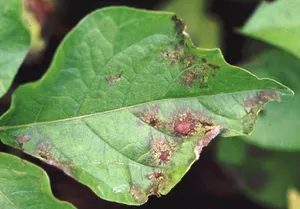
The culprit is Phytophthora infestans, a water mold (oomycete, not actually a fungus). It flourished in the cool, wet summer of 1845. The Irish relied heavily on potatoes, especially the genetically uniform lumper variety. This lack of diversity means that when an blight occurs, it affects “everything”. Not only did the crop fail; It rotted in the soil. The leaves have turned black. The tubers disintegrated into a foul-smelling mush.
The disaster wasn’t just agricultural.