Craving that deep, complex flavor of takeout but want it made with real ingredients?
You need to stop ordering in.
Homemade chicken tikka masala isn’t just about convenience. It’s about control. It’s about tangy tomatoes fighting against rich cream. It’s the sharp bite of lemon meeting the warm hug of cumin and garam masala.
This dish has a legendary status in the culinary world. Some say it originated in the UK, others point to the Indian subcontinent. Either way, the result is undeniable. Bite-sized chunks of chicken, marinated until tender, then bathed in a sauce that feels like a warm blanket.
But here is the thing about the store-bought stuff. It’s often flat. Lacking the depth that comes from roasting meat and toasting spices yourself.
If you want the best version, you have to build it. Layer by layer.
Here is how you make the kind of dinner that makes your house smell incredible for days.
The Marinade: Tenderizing and Infusing
Start with the protein. You need boneless, skinless chicken breasts. Slice them into chunks roughly the size of a large dice.
Now, make the marinade.
In a bowl, mix half a cup of plain yogurt with two tablespoons of lemon juice. The acid here is non-negotiable. It breaks down the proteins, ensuring the meat doesn’t get tough. Add two teaspoons of salt, two teaspoons each of ground cumin and paprika, plus two teaspoons of garam masala.
Crush six cloves of garlic. Grate or mince a tablespoon of fresh ginger.
Toss the chicken in this sludge. Ensure every piece is coated.
Cover it. Refrigerate it.
Do this for at least one hour. Overnight is even better. The longer it sits, the deeper the flavor penetrates the meat.
The Sear: High Heat Action
When you’re ready, preheat your oven to 500°F. That is a high temperature. You want char, not stew.
Line a high-sided baking pan with parchment paper. This saves you from scrubbing burnt-on sauce later.
Thread the chicken onto bamboo or wooden skewers. If you are using wooden sticks, soak them in water first. Otherwise, they’ll burn before the chicken cooks.
Arrange the skewers over the pan. Leave space between them. Heat needs to circulate. If they’re touching, they’ll steam instead of roast.
Bake for about 15 minutes.
Watch them. You want the edges to be dark brown. Slightly charred. That’s where the magic happens. The Maillard reaction adds a smoky depth you can’t get from simmering alone.
Set the chicken aside. Wipe down your hands. Now, for the sauce.
The Sauce: Building Layers of Flavor
Heat three tablespoons of oil in a large pot over medium heat.
Throw in one finely chopped large onion. Add two tablespoons of minced ginger and eight more cloves of minced garlic.
Sauté them. Not until brown—until they are tender. This takes patience. Rushing this step results in harsh, raw spice flavors.
Once the onions are translucent, add the spice dry mix:
- 2 teaspoons ground cumin
- 2 teaspoons ground turmeric
- 2 teaspoons ground coriander
- 2 teaspoons paprika
- 2 teaspoons chili powder
- 2 teaspoons garam masala
Stir constantly. Just for 30 seconds.
You’re not cooking them until they burn. You’re waking them up. The heat releases the essential oils. The smell in your kitchen should shift from oniony to aromatic and pungent.
Now, add the liquid.
One tablespoon of tomato puree. Three and a half cups of tomato sauce. One and a quarter cups of water.
Bring it to a boil. Then, reduce the heat. Let it simmer for about five minutes.
Pour in one cup of heavy cream.
Stir.
This is where the transformation happens. The sharp acidity of the tomatoes is tempered by the fat in the cream. The spices settle into a cohesive harmony. It’s tangy. It’s rich. It’s bold.
The Assembly
Take your roasted chicken. Slide it off the skewers directly into the bubbling sauce.
Cook it for just one to two minutes. You aren’t trying to cook the chicken further—it’s already done. You just need to coat it in the sauce and let the flavors marry.
Remove it from the heat.
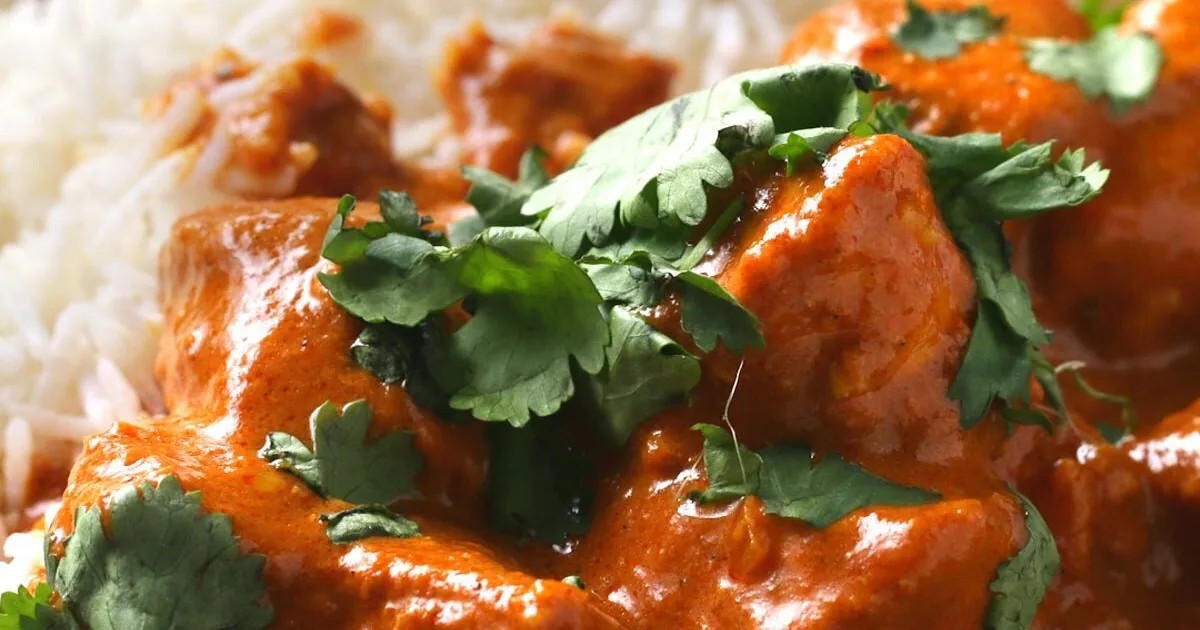
Garnish generously with fresh cilantro. The green color cuts through the orange-red of the sauce visually, and the herbaceous note lifts the heaviness of the dish.
Serve it over fluffy steamed rice. Or alongside buttery garlic naan.
The rice acts as a neutral canvas. It soaks up the sauce. It balances the spice.
Is it complicated? Maybe. You have to marinate, roast, sauté, simmer, and combine.
But is it worth the hour and change it takes?
Absolutely.
This isn’t just dinner. It’s a project. It’s a reward. And once you’ve had a home-cooked version that you actually controlled from start to finish, you might just realize how much you missed out on by sticking to the jarred stuff.
The leftovers taste even better the next day, if there are any.