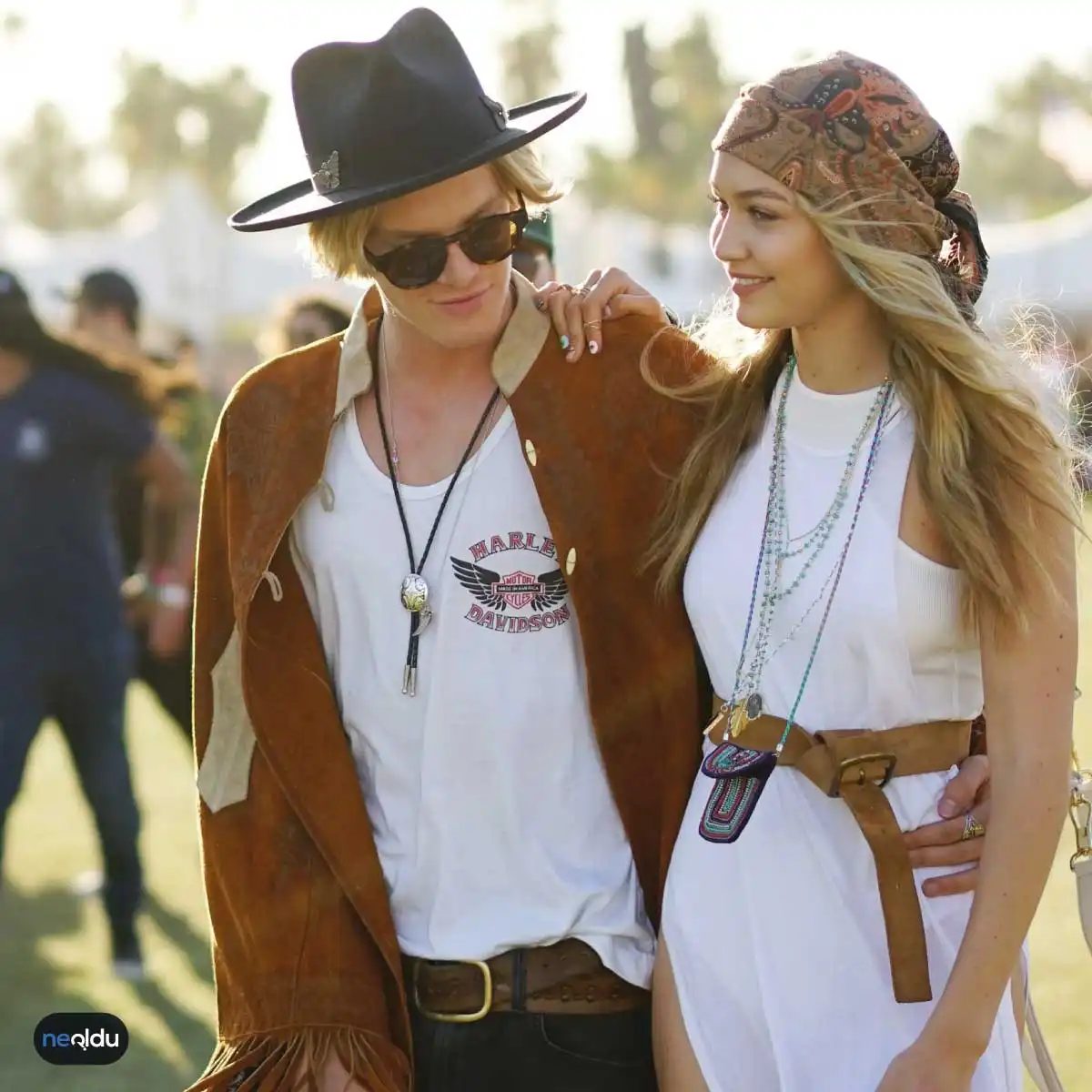
The hippie trend has managed to snag the attention of style-conscious crowds everywhere. Its vibrant, unapologetic color palette makes it a go-to for younger generations during the hot summer months. We have pulled together the essential details on this enduring aesthetic so you can understand its roots and wear it with confidence.
What Defines Hippie Style Today?
At its core, hippie fashion is about rejecting rigid structures in favor of flow, freedom, and expression. It isn’t just about wearing a tie-dye shirt and calling it a day. It is a specific vibe that blends bohemian elements with a relaxed, carefree attitude.
The look relies heavily on natural fabrics like cotton, linen, and wool. These materials breathe better in the heat and drape softly against the body. You will often see loose silhouettes—wide-leg trousers, maxi dresses, and oversized tunics. These cuts prioritize comfort without sacrificing an air of effortless cool.
Patterns play a huge role here. Think paisley, floral prints, and psychedelic swirls. These designs are not subtle. They are meant to be seen, celebrated, and mixed with bold accessories.
Why Is It So Popular in Summer?
The timing of this trend is no accident. Summer brings long days and warm weather, which calls for clothing that moves with you. Hippie styles offer exactly that. The loose fits allow for air circulation. The bright colors reflect sunlight and lift the mood.
It also taps into a desire for authenticity. In an era of fast fashion and quick trends, hippie chic feels more grounded. It suggests a connection to nature and a slower pace of life. Many people find this aesthetic refreshing because it encourages individuality rather than conformity.
Key Elements to Build the Look
To get the vibe right, focus on these details:
- Silhouette: Go for flowy. A-line skirts, bell-bottom jeans, and peplum tops are staples.
- Fabrics: Stick to breathable, natural fibers. Avoid stiff synthetics that trap heat.
- Colors: Embrace the rainbow. Mustard yellow, terracotta, deep purple, and forest green are classic choices.
- Accessories: Layered necklaces, wide-brimmed hats, and fringe bags complete the story.
How to Wear It Without Looking Costumed
The line between stylish hippie and costume is thin. The key is moderation and fit.
Don’t overload every part of your outfit with patterns. If you wear a busy printed top, keep your bottoms simple in a solid earth tone. Let one piece be the statement.
Fit matters more than you think. Even loose clothing should skim your body rather than swallow it. High-waisted flares or a cinched waist can add structure to an otherwise unstructured look.
Footwear also sets the tone. Flat sandals, ankle boots, or barefoot styles work best. Avoid stiff, formal shoes. They break the spell of the relaxed aesthetic.
Where Did This Style Come From?
Hippie fashion originated in the 1960s as a rejection of mainstream culture. It drew inspiration from Eastern spirituality, anti-war movements, and a return to simpler living. Today, it has evolved. It is less about political protest and more about personal expression and comfort.
The
Modanın döngüsel yapısı, geçmişin izini silmeden tekrar sahneye çıkmasını garanti eder. Ve eğer bir trendin kökenine inersen, 60’ların hippie akımının izlerini her yerde bulursun. Bu sadece bir kıyafet seçimi değil. Daha büyük bir duruş. 60’larda özgürlükçü bir isyankârlık olarak doğan bu akım, bugün sokak modasının en radikal parçalarından biri haline geldi. Sınırları zorlayan, konforu ön planda tutan ve “kendin ol” felsefesini giymeye çalışan bir yaşam tarzı.
Hippi tarzında anahtar kelimeler gevşeklik ve dokudur. Yırtık kotlar, denim şortlar, uzun desenli bol elbiseler… Bunlar temel parçalar. Batik baskılı bluzler, süet detaylı ayakkabılar, çantalar ve şapkalar ise imzayı atıyor. Ama her şeyden önce saçlar ve kuşku. Dağınık, uzun ve doğal bir hava… Salaş ama havalı. Tam da bu noktada duruyoruz.
1. Hippi Saç Modelleri
Saç, bu stilin en belirgin özelliği. Şimdiye kadar düz ve bakımlı durmak mı tercih ettiniz? O zaman şunu yapın: Tersi. Hippi saç modelinde “kusursuzluk” yoktur. Aksine, doğal doku ve hafif dağınıklık öne çıkar. Uzun saçlar, genellikle düz veya hafif dalgalı tutulur. Kelepçe veya topuz yerine, gevşek bir şekilde sırtta veya omuzlarda bırakılır.
Doğal Doku ve Bakım
Sentetik ürünlerden kaçının. Saçınızın kendine ait dokusunu keşfedin. Yıkanmış saçı kuruturken havluyla ovalamayın. Bunun yerine nazikçe sıkın. Doğal bir dalga veya kırıklık varsa, bunu bir sorun olarak görmeyin. Aksine, bu detaylar stilinize derinlik katar.
- Şampuan Seçimi: Kuru saçlar için nemlendirici formüller tercih edin.
- Fön Kullanımı: Sıcak havayı minimuma indirin. Saçın doğal yağ dengesini korumak için soğuk hava ayarı işinizi görebilir.
- Sabun ve Su: Bazı hippie stillerinde saçın tamamen temizlenmemesi, daha organik bir görünüm sağlar. Ancak bu bir öneri değil, tarihsel bir detay.
Aksesuarlarla Tamamlama
Saç başlı başına bir başyapıttır ama aksesuarlarla tamamlandığında hippie ruhunu tam anlamıyla yansıtırsınız.
- Başlıklar: Geniş kenarlı şapkalar veya desenli bandanalar.
- Düğünler: Saçınıza çiçek takabilir, boncuklar veya hafif zincirler ilave edebilirsiniz.
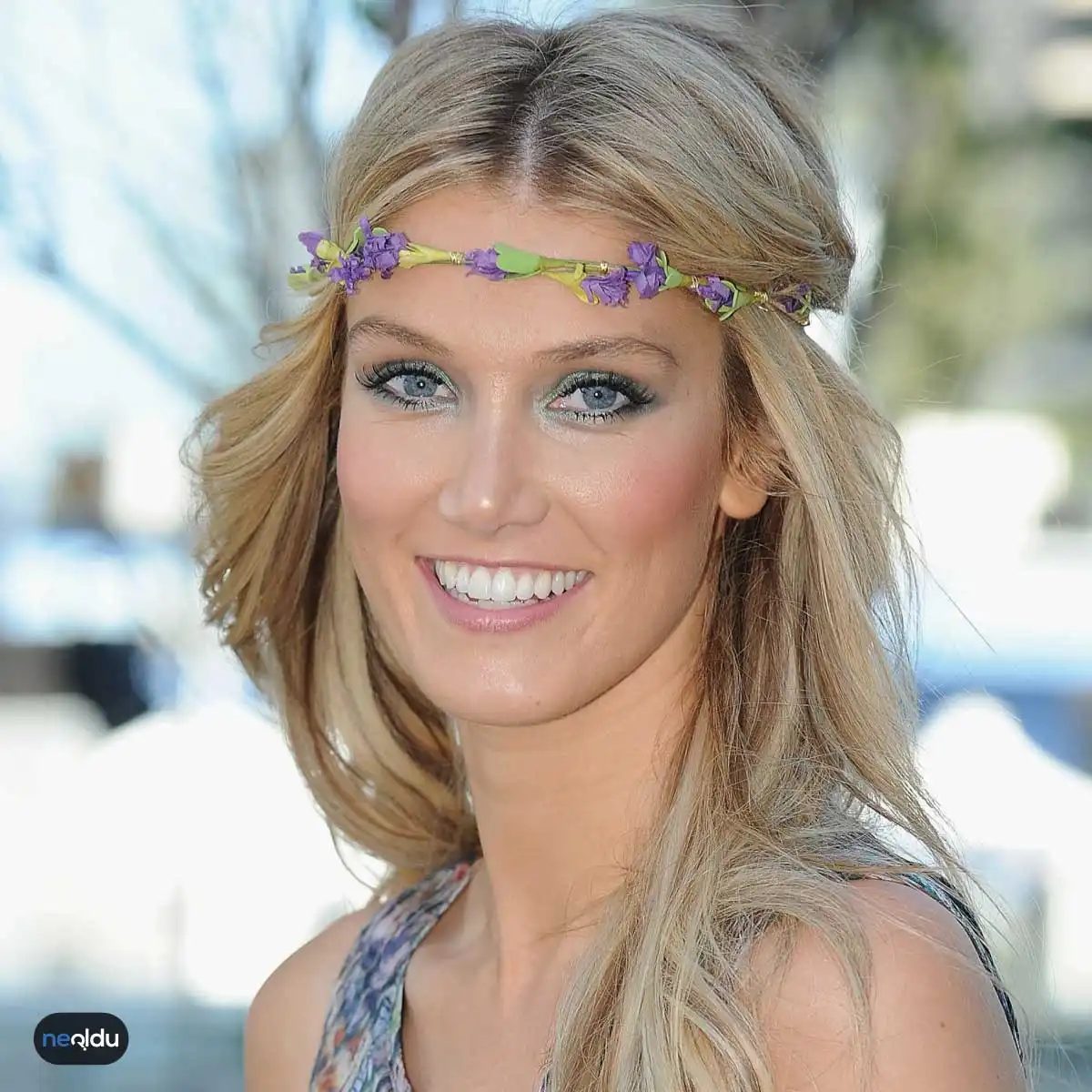
Hippi hareketine mensupların en belirgin özelliği, dış dünya için takındıkları kayıtsız tutum değil. Tam tersine, doğanın renklerinden ve formlarından beslenen bir özgürlük arayışındadırlar. Saçlarını rastgele toplamak veya Hint tarzı örgülerle işlemek, bu tarza farklı bir ruh katar. Ancak bu özgürlükçü görünümün bel kemiği şüphesiz ki hippi pantolon nasıl kombinlenir sorusunun cevabında gizlenir.
2. Hippi Pantolonlar
Pantolon seçimi bu estetiğin kalbidir. Sıkı, dar kesim modellerin yerini geniş, bol ve rahat kesimlere bırakır. Özellikle kumaşın doğallığı ön plandadır. Pamuk, keten veya kenevir gibi doğal liflerden üretilmiş pantolonlar, hem nefes alır hem de ruhuna uygun bir ağırlıkta olur.
Renkler toprak tonlarına yaslanır. Okre, hardal, koyu yeşil, tuğla kırmızısı ve toz pembe… Bazen çiçekli veya geometrik desenli kumaşlar da tercih edilebilir. Önemli olan, görsel bir kaotik denge yakalamaktır.
Genellikle boğazı yüksek, bel kısmı lastikli veya kuşaklı modeller hâkimdir. Bacak kısımları ise bolca hareket alanı tanır. Bu pantolonlar, ayak bileği kısmında hafifçe toplanabilir veya düz durabilir. Önemli olan, hareket özgürlüğünü kısıtlamamasıdır.
Bu pantolonlarla hangi üst giyimlerin uyum sağladığı sorusu da akla gelir. Genellikle uzun, bol kazaklar veya desenli bluzlar tercih edilir. Ayakkabı olarak ise deri sandaletler veya basit sporlar yeterli olur.
Günümüzde bu kesimlere “palazzo” veya “baggy” denmektedir. Ancak asıl anlamını, o dönemin ruhunu taşıyan kumaşlarda ve giyeni serbest bırakan kesimde bulur. Bu pantolonlar, sadece bir giysi parçası değil, bir duruşun yansımasıdır.
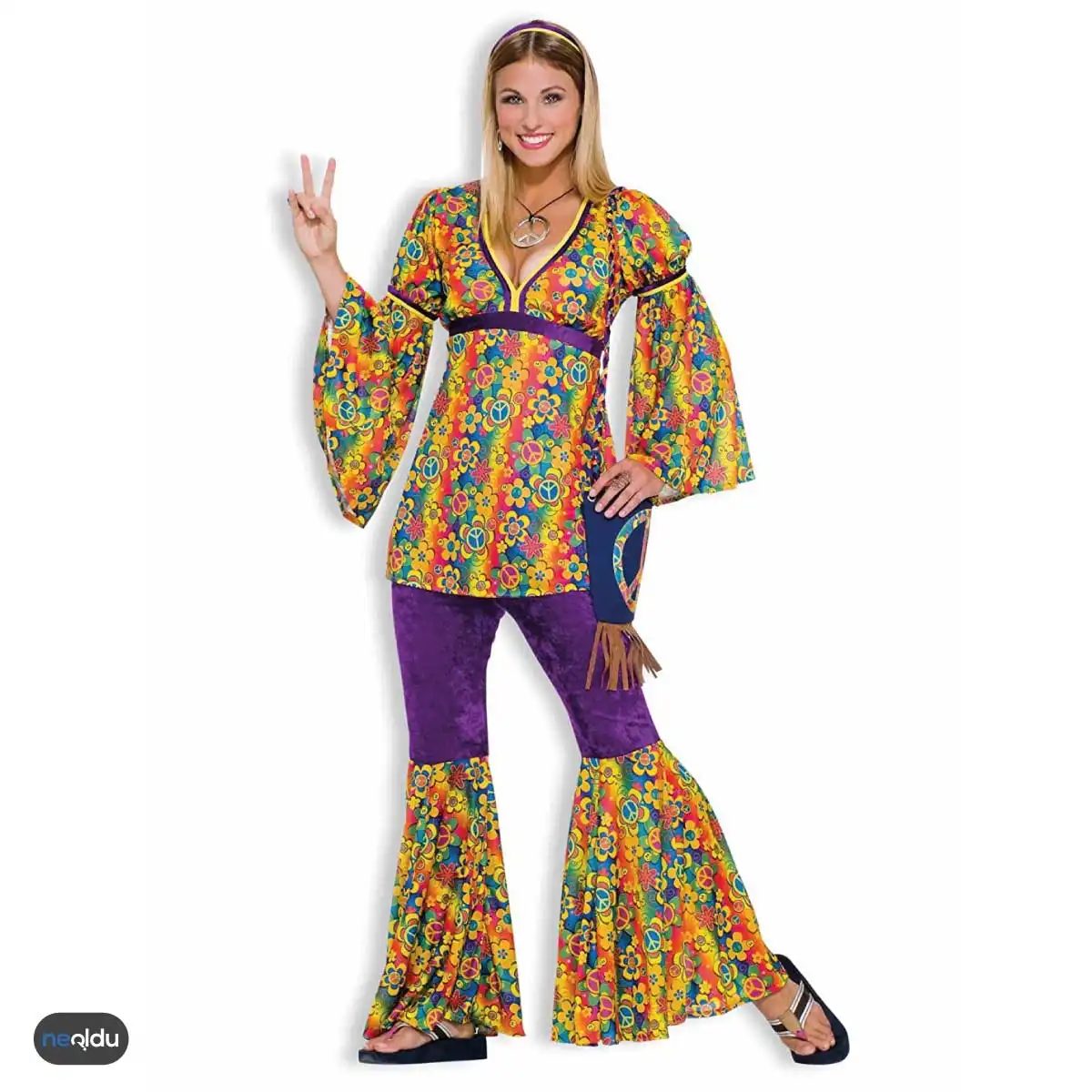
Genelde şalvar veya ispanyol paça kesimlerini tercih edersiniz. Hippi stilinde rahatlık her şeyden üstündür. Bu pantolonlar ise stilin temel taşlarıdır. Dantel detaylı modelleri de deneyebilirsiniz. Şile bezi hafifliği veya jean kumaşın rustik dokusu da işinizi görür.
3. Hippi Tulumları: Tek Parça Rahatlık
Sadece pantolonlarla sınırlı kalmayın. Tulumlar, bir gün içinde birden fazla parça kombinlemeye gerek duymayanlar için idealdir. Özellikle kanvas veya pamuklu kumaşlardan üretilmiş olanlar, doğa ile bütünleşmek isteyenler için en güvenli limandır.
Neden tulum?
– Zaman kazandırır: Sabahları ne giyeceğinize düşünmenize gerek kalmaz.
– Katmanlıdır: Altına tayt veya ince bir etek giyilerek soğuk havada bile rahatlıkla kullanılabilir.
– Nostaljik bir hava katar: Otantik bir bohem görünüm için vazgeçilmez bir parçadır.
Renk konusunda mücevher tonlarına (kuvars moru, zümrüt yeşili) veya toprak tonlarına (turuncu, kahverengi, hardal) yönelin. Desen olarak ise çiçekli baskılar, etnik motifler veya soyut çizimler öne çıkar.
“Gerçek bohem ruh, kısıtlayıcı giysilerden uzak durur. Tulumlar, özgürlük hissi için mükemmel bir çerçeve sunar.”
Tulumların bel kısmı genellikle lastikli veya kordonlu olup, isteğe göre sıkılaştırılabilir. Bu detay, farklı vücut tiplerine uyum sağlamayı kolaylaştırır. Ayak bileği kısmındaki paçalar da geniş kalabilir, bu da sandalet veya bot ile kombinlenmesine olanak tanır.
Eğer daha modern bir dokunuş arıyorsanız, desenli bir tulumun üstüne deri bir ceket ekleyebilirsiniz. Bu kontrast, hem rahatlığı korurken hem de şıklığı artırır.
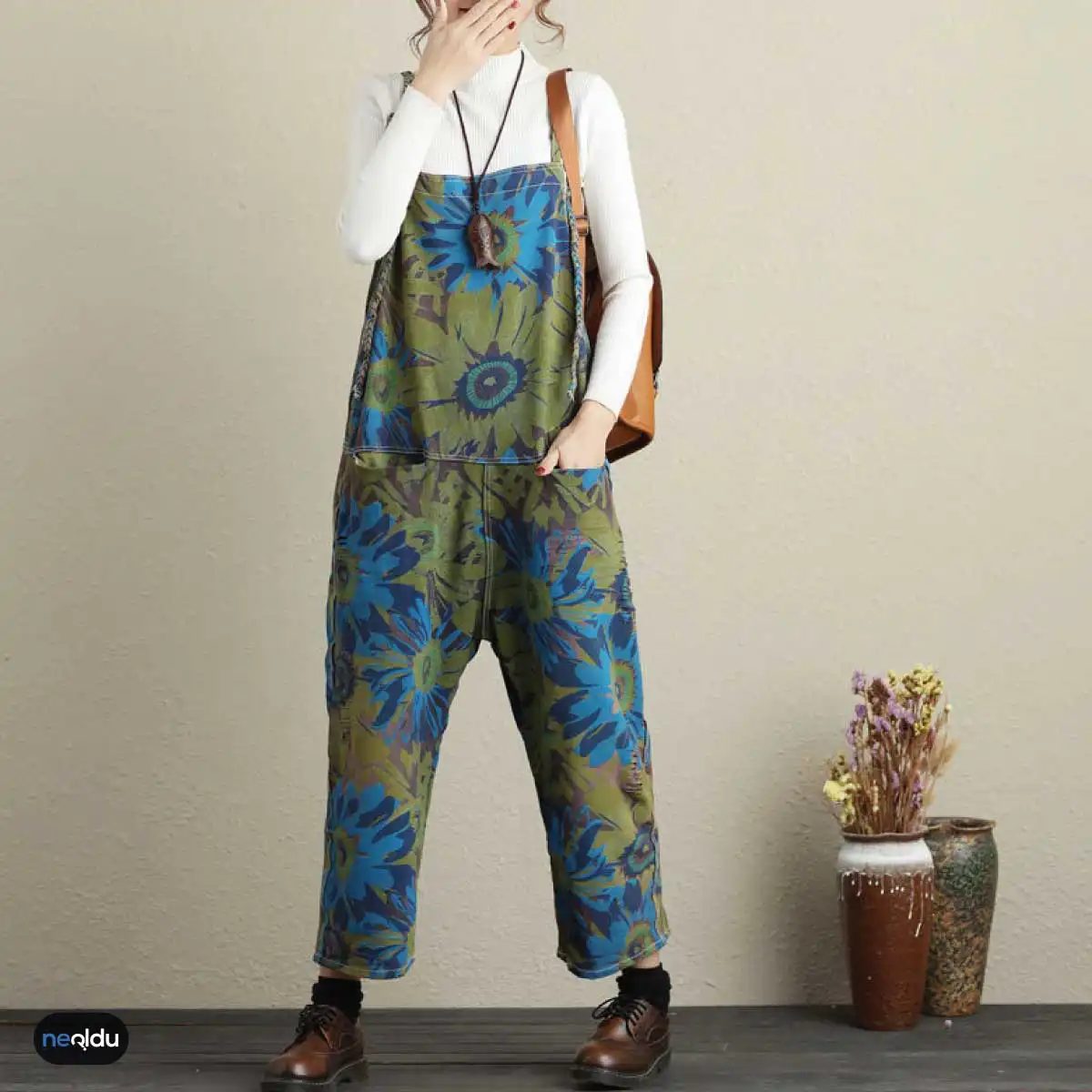
If you are scrolling through fashion feeds this season, you have likely noticed the revival of the jumpsuit. But not just any jumpsuit. We are talking about the hippie-inspired ones. These are the pieces that catch your eye immediately. They glow with intricate patterns and textures. Think tassels. Think lace.
For anyone who loves that free-spirited aesthetic, a hippie jumpsuit is not optional. It is essential. It belongs in your closet.
The Details That Define the Look
Why do these jumpsuits stand out? It is in the details. The designs are eye-catching by nature. They do not need to shout to be heard. The addition of fringe adds movement. It catches the light as you walk. Lace brings a softer, feminine touch to the rugged denim or cotton often used in the base fabric.
This style bridges the gap between bohemian comfort and high-fashion statement. It is versatile. You can dress it up with strappy heels for a summer evening. Or keep it casual with flat sandals and a wide-brimmed hat for a market day.
Why Hippie Dresses Are Also Stealing the Show
Speaking of aesthetics, the hippie dress is having its own moment. If jumpsuits are the star, these dresses are the supporting cast that elevates the whole scene. They share the same DNA. Flowy silhouettes. Earthy tones mixed with vibrant prints.
The trend is not just about wearing loose fabric. It is about a feeling. A rejection of restrictive corporate wear. A move toward freedom in movement. When you wear these pieces, you signal that you value comfort without sacrificing style.
How to Style Them Without Looking Costumed
The line between “boho chic” and “costume party” can be thin. Here is how to keep it grounded.
- Stick to natural fabrics. Cotton, linen, and light denim breathe. They look lived-in and authentic.
- Mix textures. Pair a lace-trimmed jumpsuit with a structured leather jacket. The contrast keeps the look modern.
- Accessorize minimally. Let the garment speak. A few simple leather bracelets are enough. Avoid overloading on beaded necklaces unless the outfit calls for it.
- Choose the right fit. Even if it is flowy, ensure the waist is defined. This prevents the outfit from swallowing your frame.
Where to Find These Pieces
You do not need to hunt through vintage bins to find these styles. Many mainstream retailers have released collections featuring fringe, lace, and paisley prints. Look for sections labeled “boho” or “festival.”
Online marketplaces are also great sources. You can filter by “fringe” or “maxi” to find exactly what you need. The key is to look for quality stitching. Cheap lace can look plastic. Good lace has texture and depth.
The Longevity of the Style
Hippie styles are not a flash in the pan. They have been around for decades. They return, fade, and return again. But this time, the integration is more subtle. It is less about replicating the 1960s exactly. It is about taking the spirit of that era and adapting it for today.
The jumpsuit, in particular, is practical. It is one piece. No thinking about matching tops and bottoms. You pull it on. You are
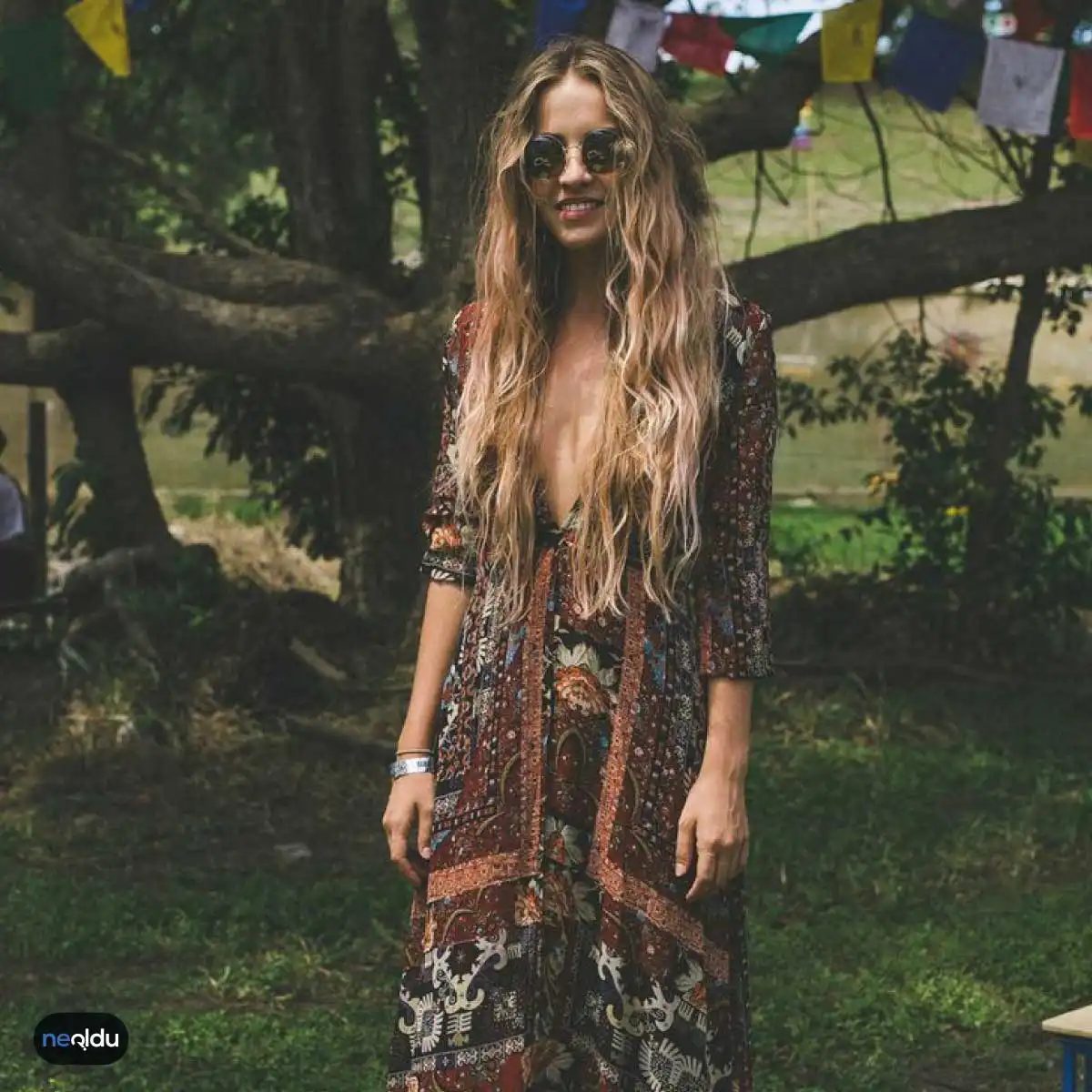
Neden Hippi Tarzı Hâlâ Yükselişte?
Hippi elbiseleri sadece rahat bir yazlık giysi olmaktan çıktı. Bu tarz, 1960’ların ve 70’lerin özgürlük ruhunu yansıtıyor. Bugün ise bu elbiseler, bireysel ifade biçimimize dönüşüyor.
Birçok kadın, bu kıyafetleri seçerken sadece estetik nedenlerle değil, aynı zamanda sosyal bir mesaj vermek için tercih ediyor. Bu elbiseler, doğayla uyum içinde olmayı, sürdürülebilir yaşamı ve kişisel özgürlüğü savunuyor.
Sürdürülebilirlik ve Etik Üretim
Bugünün hippi elbiseleri, genellikle doğal kumaşlardan üretiliyor. Pamuk, keten ve kenevir gibi malzemeler tercih ediliyor. Bu kumaşlar hem cilt için yumuşak hem de çevre için daha az zararlı.
Birçok marka, etik üretim süreçlerine öncelik veriyor. Bu da tüketicilere daha bilinçli alışveriş yapma imkanı tanıyor.
El İşçiliği ve El Yapımı Detaylar
Hippi elbiselerinde en dikkat çekici detaylar, el işçiliği ile yapılmış işlemeler. Bu işlemeler, her parçayı benzersiz kılıyor.
- Nakışlar
- Dantel detaylar
- Fringe (püskül) kenarlar
Bu detaylar, elbiselere sıcaklık ve karakter katıyor.
Doğal Renk Paleti
Hippi modasında genellikle toprak tonları, pastel renkler ve doğal kumaş renkleri kullanılıyor. Bu renkler, doğayla uyum içinde olma hissini pekiştiriyor.
Sosyal Medyada Hippi Estetiği
Instagram ve Pinterest gibi platformlarda, hippi elbiseleri yoğun şekilde paylaşılıyor. Bu paylaşım, sadece bir trend değil, aynı zamanda bir yaşam tarzı önerisi.
Kullanıcılar, bu elbiselerle doğada çekilmiş fotoğraflar paylaşarak, huzurlu bir yaşam hayali sunuyor. Bu, genç nesil arasında popüler bir estetik seçeneği haline geliyor.
Farklı Yaş Gruplarına Hitap Etmesi
Hippi elbiseleri, farklı yaş gruplarına hitap ediyor. Gençler, özgür ve yaratıcı bir stil ararken; yetişkin kadınlar, rahat ve şık bir giyim tercihi olarak bu tarzı seçiyor.
Bu esneklik, hippi modasının her dönemde popüler kalmasını sağlıyor.
Gelecekte Hippi Modası
Hippi elbiseleri, moda dünyasında yerini koruyacak gibi görünüyor. Sürekli değişen trendler arasında, bu tarz, zamanselliği ile öne çıkıyor.
Gelecekte, daha fazla sürdürülebilir malzeme kullanımı ve dijital tasarım teknolojilerinin entegrasyonu bekleniyor. Bu da hippi elbiselerinin daha da evrileceğini gösteriyor.
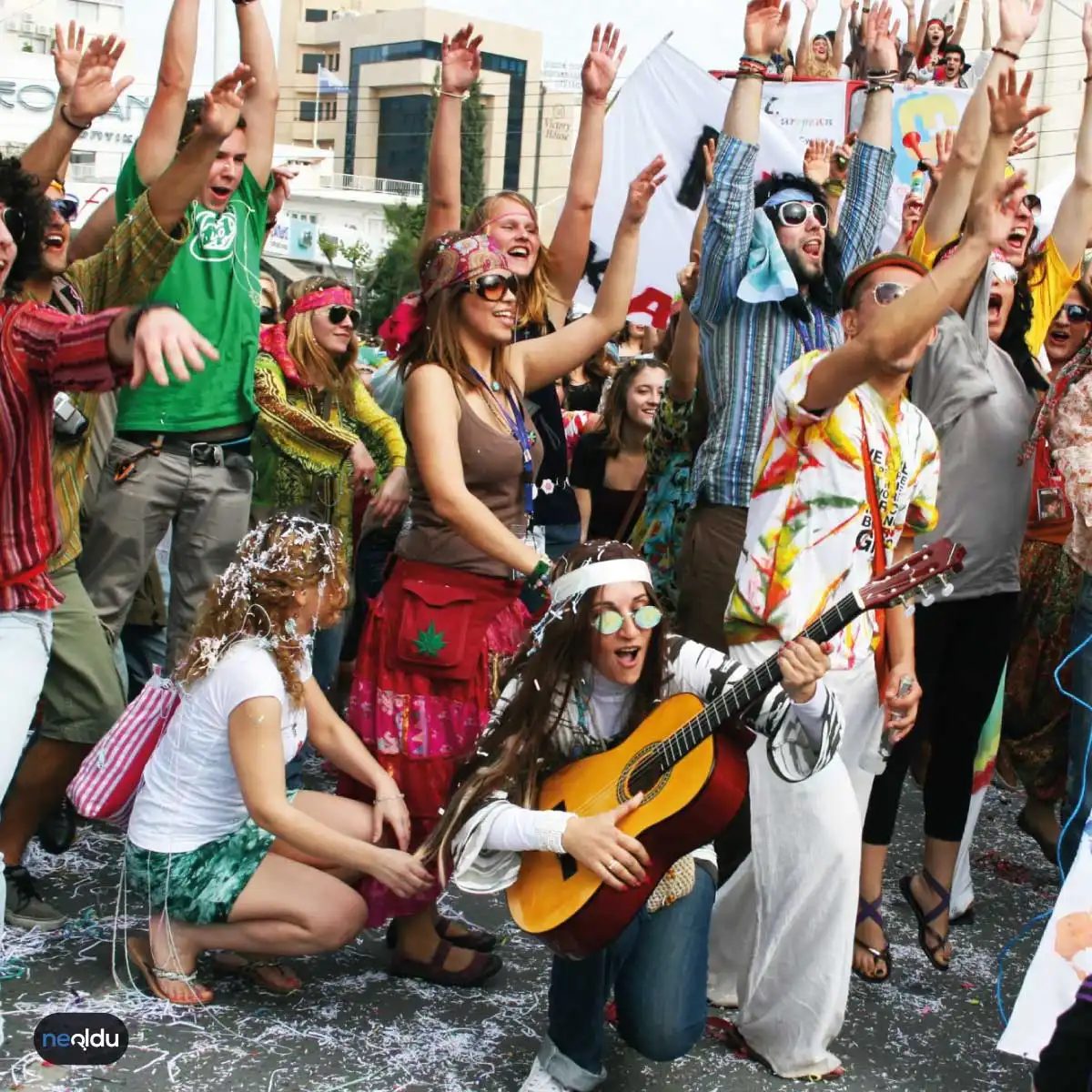
The Roots of Anti-Establishment Style
It started as a shout against the suit-and-tie conformity of the post-war era. Hippi fashion emerged in the 1960s, not just as clothing, but as a cultural earthquake. It was a rejection of materialism. Young people worldwide grabbed onto it because it offered something the establishment didn’t: freedom.
This wasn’t just about looking different. It was about breaking the rigid dress codes that had defined social interaction for decades. By prioritizing personal expression, hippie style became a global phenomenon. It forced a dialogue between cultures, too. People from different ethnic backgrounds began mixing styles, creating a cross-cultural exchange that helped foster understanding.
Artistically, it was equally disruptive. It gave birth to psychedelic music and influenced cinema, reflecting a mindset that wanted to expand perception. The impact wasn’t fleeting. It reshaped social norms and artistic boundaries, leaving a legacy that still echoes today.
How to Shop for Authentic Hippie Style Today
Hippi fashion hasn’t died. It has evolved. It remains popular because it hits a sweet spot: colorful, comfortable, and liberating. It works for almost any age group. If you want to shop the trend without looking like you’re wearing a costume, focus on the fundamentals.
1. Master the Color Palette
Color is the heartbeat of hippie style. You aren’t aiming for subtle pastels. You are looking for vibrant purples, greens, pinks, yellows, and oranges. Don’t just stick to clothes. Look for accessories—scarves, bags, and even hats—that amplify this vibrancy. A muted outfit can be saved by a bold, psychedelic-print scarf.
2. Stick to Natural Fabrics
Synthetics feel wrong in this aesthetic. Hippie fashion relies on textures that breathe. Cotton, silk, and linen are non-negotiable. They offer that effortless, breezy feel that defines the look. In the summer heat, these natural fibers make the outfit wearable rather than stifling.
3. Accessorize Intentionally
The right accessories elevate the look from “casual” to “bohemian.” Sunglasses with vintage frames, leather bags, wide-brimmed hats, and belts add structure and character. These items are where you can inject personality without overhauling your entire wardrobe.
4. Footwear Matters
Your shoes ground the look. Sandals, boots, and even heeled sandals can work if the rest of the outfit supports the flow. Avoid stiff, formal leather oxfords. Opt for something with character.
5. Current Trends to Watch
Hippi fashion refreshes every season. Right now, ethnic patterns, patchwork details, and maxi dresses are dominating the scene. These elements keep the style relevant by mixing historical references with modern cuts.
Key Questions About Hippie Fashion
When did hippie fashion start?
It surfaced in the mid-1960s and peaked in the early 1970s. It was the visual language of a generation.
What are the defining features?
Look for colorful, patchwork dresses. Think loose, comfortable cuts, long cardigans, turbans, sunglasses, boots, and sandals. It is about volume and texture.
Why does it matter socially?
It was a radical response to capitalism and social structures. It allowed people to express themselves and attempt to change the world, one outfit at a time.
Who defined the iconic looks?
Designers like Ossie Clark, Mary Quant, and Halston helped shape the era. The styles ranged from “flower power” to folk and boho-chic.
Is it still relevant?
Yes. Today, it is embraced as vintage or bohemian style. Modern designers update the materials and cuts, keeping the spirit alive for a new generation.