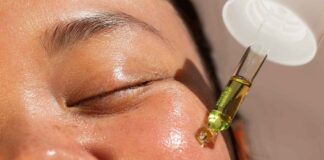
It happens on the morning of a high-stakes job interview. Or maybe it’s the morning of your wedding. You lean in close to the mirror, heart sinking, and there it is. A pimple. Front and center. Then you see two more. Those unattractive spots have arrived right on schedule to sabotage your confidence.
You are not alone in this panic. While acne is famously a teenage rite of passage, it is also a stubborn reality for adults well into their 40s. Alongside wrinkles, it is one of the most common facial skin complaints we face. The emotional toll is heavy. We know the causes vary—bacteria, genetics, hormonal shifts—but sometimes the culprit is exactly what we put on our faces. Cosmetics. Soaps. Even products marketed to purify can actually trigger breakouts.
Fortunately, there is a solution that goes beyond just hoping for the best. It involves switching to non-comedogenic cleansers. These are specific formulations designed to keep your pores clear rather than choking them shut. If you have ever wondered what that label actually means or why it matters for your routine, this guide breaks down the science and the strategy.
Decoding the Label: What Does Non-Comedogenic Actually Mean?
To get the full picture, you have to break down the word itself. A comedo is essentially a pimple or lesion. Specifically, it is the least severe form of acne caused by a clogged pore.
Pores are those tiny openings visible in a magnifying mirror. Beneath them lie hair follicles—sacs housing the hair root. This is where pimples are born. When your body produces too much sebum (natural fatty oil), it mixes with dead skin cells and bacteria. This gunk plugs the pore. Result? A pimple.
If the plug is closed at the surface, you get a whitehead. If it is open and exposed to air, melanin builds up and darkens it, creating a blackhead.
Non-comedogenic cleansers are typically oil-free. They break down excess oil without stripping your skin of necessary moisture and nutrients. You might also see them labeled as non-acnegenic cleansers.
Here is the catch. There are no strict regulations dictating how a company must prove a product is non-comedogenic. Just because a bottle says it on the front does not guarantee it will work for your specific skin type. You have to look at the ingredients to see what is actually inside.
The Chemistry Behind Clear Skin
The chemistry of acne cleansers can sound intimidating, but understanding it helps you pick the right product for your face. There are several key ingredients you will see on the label, each with a different job.
Benzoyl Peroxide
This is a powerhouse for killing acne-causing bacteria. Unlike many other treatments, it does not produce additional oil in your skin. It comes in liquids, bars, lotions, creams, or gels. The standard advice is to use it once or twice daily.
Salicylic Acid
Salicylic acid takes a different approach. It does not kill bacteria. Instead, it helps unclog pores without creating more oil. It works by dissolving excess oil inside the hair follicle and reducing the amount of skin cells shedding, which prevents future clogs.
Sulfur
Often paired with resorcinol, sulfur washes away excess oil and dead skin cells. It is even believed to help break down existing whiteheads and blackheads.
Mineral Oil
Yes, really. Some natural ingredients like mineral oil are considered non-comedogenic. They are gentle enough to be harmless to acne-prone skin, proving that “natural” does not always mean “acne-triggering.”
It Is Not Just About Ingredients
You can have the perfect bottle of non-comedogenic cleansers in your shower, but if your technique is wrong, you will still struggle. Health experts recommend washing your face twice a day. That is the baseline.
How you wash matters just as much as what you use. Do not use hot water. Stick to warm water. Hot water irritates the skin barrier and can make redness and breakouts worse.
Also, put down the rough washcloth. Wash with your hands. A washcloth can harbor bacteria and physically irritate sensitive, breakout-prone skin. Your hands are softer and cleaner for this specific task.
The Stress Factor
We cannot talk about adult acne without mentioning the elephant in the room. Your face can suffer when your economy suffers.
Trying times cause stress levels to peak. While stress might not directly cause acne from scratch, it aggressively aggravates any existing skin problems you already have. When your body is in fight-or-flight mode, it produces hormones that can increase oil production.
So, you have the right cleanser. You have the right technique. But if you are stressed, your skin will likely rebel. Managing that external pressure is part of the internal work.
There is no magic bullet that fixes everything overnight. You find what works for your specific biology. You stick to the routine. And you accept that some days, the mirror will be kind, and others, it won’t. The goal is not perfection. The goal is less damage. And sometimes, that is enough.
The Reality of Non-Comedogenic Cleansers
You see the label “non-comedogenic” and think it’s a guarantee. It’s not. It’s just a marketing term meaning the formula shouldn’t clog pores. But your skin? It has other ideas.
These cleansers aren’t magic bullets for everyone. They have pros. And cons. The cons are often tied to the active ingredients doing the heavy lifting.
Take benzoyl peroxide. It’s a bacteria-killer. Effective for mild acne. But you have to stick with it. Weeks pass before you see results. Stop using it? The bacteria come back. So does the breakouts.
The trade-off is dryness. Significant dryness. You need a moisturizer. Immediately. If you skip it, your skin barrier suffers.
Worse than dryness are the bad reactions. Burning. Itching. Rash. Swelling. Blisters. If you get blisters, stop. Call your doctor. Don’t try to tough it out.
Salicylic acid is another common player. Found in face washes and shampoos. It keeps pores clear. But like benzoyl peroxide, it requires consistency. Miss a few days? Pores clog. Acne returns.
Low-concentration over-the-counter versions usually sting a little. A minor irritation. But they rarely cause major issues. That’s the beauty of the low dose.
Then there’s sulfur. Few side effects. The catch? The smell. It’s pungent. Unpleasant. Manufacturers mask it with other ingredients. Sometimes it causes peeling. Just peeling. Not pain. Just flaking.
Your skin is unique. Chemicals react differently. Everyone. If a “safe” cleanser causes breakouts, it’s not safe for you. Stop using it.
Why Non-Comedogenic Products Matter for Daily Skin Health
The goal is simple. Keep skin free of acne. Whether you have a date night or just want to feel good in your own skin. These products help. But they aren’t a one-size-fits-all solution.
Understanding how these ingredients work helps you choose better. It turns a routine into a strategy.
Salicylic Acid in Your Hair Care Routine
Did you know your dandruff shampoo might be doing double duty?
If you’ve used a medicated shampoo for flakes, you’ve likely encountered salicylic acid. It breaks down the excess shedding of skin on your scalp. It’s a keratolytic. It exfoliates.
The downside? Dryness. Again.
Salicylic acid strips oils. Your scalp feels tight. You need conditioner. Always follow up with it. Hydrate the strands. Prevent the itch.
How to Choose Your Cleanser Based on Ingredient Sensitivity
Not all non-comedogenic cleansers are created equal. The base matters. The actives matter. Your history with products matters.
Consider your tolerance.
– High tolerance: Benzoyl peroxide might work. Just moisturize heavily.
– Moderate tolerance: Salicylic acid is likely fine. Watch for sting.
– Low tolerance: Sulfur or gentle bases might be safer. Avoid the strong actives.
If you’re unsure, patch test. A small area behind the ear or on the inner arm. Wait 24 hours. See what happens.
Common Myths About Clog-Free Skincare
There’s a myth that “non-comedogenic” means “allergy-proof.” It doesn’t.
It just means the ingredients are tested for pore-clogging potential. They don’t account for individual allergies. Or sensitivities to fragrance. Or preservatives.
Many non-comedogenic products still contain fragrances. Essential oils. These can irritate sensitive skin. Even if the product doesn’t clog pores, it can cause inflammation. Redness. Itching.
Read the label. Look past the front-facing claims. Check the ingredient list.
When to Seek Professional Help
Most acne can be managed at home. OTC products work for many. But not all.
If you experience severe burning.
If swelling doesn’t go down.
If blisters form.
If the acne spreads despite treatment.
Stop the product. See a dermatologist. You might need prescription strength. Or a different approach entirely.
Self-diagnosis has limits. Skin issues can be complex. Infections. Hormonal imbalances. Dietary triggers. A professional can pinpoint the cause.
The Bottom Line on Non-Comedogenic Cleansers
These cleansers are tools. Not cures.
They help manage acne. They keep pores clear. But they require care. Consistency. Moisture.
Pay attention to your skin. It tells you what it needs. If it burns, it’s too strong. If it feels tight, it’s too drying. If it breaks out, it’s not for you.
Find what works. Stick with it. Adjust as needed.
The search for the perfect cleanser is ongoing. Your skin changes. Life changes. What worked in college might not work in your thirties. Stay flexible. Stay informed.
Keep experimenting. But keep it safe.